What Does the FTX Fallout Mean for the Crypto Market? ?
The world of crypto can feel a bit like the Wild West sometimes, can’t it? Unpredictable, thrilling, but also fraught with danger. The recent news about FTX and the judicial fallout has left many in the crypto space scratching their heads, while others are scrambling for answers. As a young analyst navigating this fast-paced environment, I reckon it’s crucial we break down what’s happening and how it influences our investments in crypto.
Key Takeaways
- FTX’s bankruptcy has raised serious questions about celebrity endorsements in crypto.
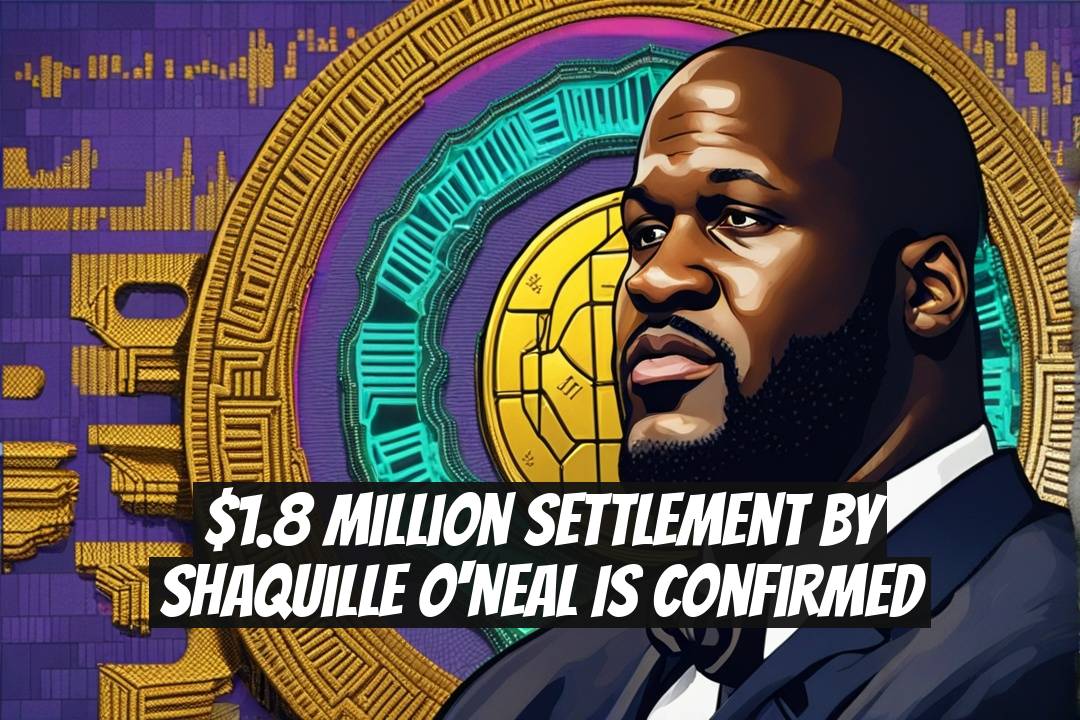
- A $1.8 million settlement involving Shaquille O’Neal reveals the risks involved for public figures in this space.
- The recovery process for creditors is ongoing, with a revised reserve of $4.6 billion.
- The implications of such cases are testing how jurisdictions handle digital asset collapses.
Subscribe to our Social Media for Exclusive Crypto News and Insights 24/7!
The Trouble with FTX and Celebrity Endorsements ?

Firstly, let’s chat about Shaquille O’Neal’s recent $1.8 million settlement regarding his promotion of FTX. This wades into murky waters because it shows how even big names can be embroiled in controversy when things go south. I mean, who’d have thought that endorsing a crypto exchange could land one in legal trouble? Investors are looking for accountability, and settlements like this one set a precedent that could chill future celebrity involvement in crypto promotions.
For most investors, the fear is palpable. If celebrities can get dragged into court over their endorsements, what does that say about the industry? We’re left wondering: Who can we trust when it comes to crypto investments?
The Impact on Investors and Creditors ?
Now, while O’Neal may have resolved his situation, the broader implications for creditors are quite serious. FTX’s trustee is wrestling with a staggering $4.6 billion in disputed claims. To put that in context-imagine if all those claims could be resolved and returned to investors! That’s a big deal!
But the reality is, the FTX Recovery Trust continues to review those claims. Only time will tell how much of that $4.6 billion will reach the investors who lost money. For me, it’s a clear call to action for all investors to dive deep into their due diligence before putting money into crypto projects. You never know when things could go belly-up!
Crypto and Legal Challenges ?
The legal challenges don’t stop at celebrity endorsements. The whole scenario surrounding FTX is now a case study in how crypto failures can reverberate. There’s an important lesson here: as we ride this volatile wave, we should be assessing the legal landscape of any investment we consider.
For example, the legal classification of cryptocurrencies can impact investors’ rights when something goes wrong. Crypto might be a new frontier, but legal regulations are starting to catch up. Ensuring that you are aware of any potential legal pitfalls can save you heaps of hassle down the line.
Practical Tips for Investors ?
- Do Your Research: Look into both the technology and the team behind a project. Is there a strong roadmap? What’s the community sentiment?
- Stay Updated on Legal Issues: Keep an ear to the ground for any lawsuits that may affect your investments. One court case can change everything.
- Diversify Your Portfolio: Don’t put all your eggs in one basket. Spread your investment across various projects to reduce risk.
- Understand Risks: Be aware that crypto assets can be extremely volatile. Only invest what you can afford to lose.
Personal Insights ?
Honestly, the whole situation surrounding FTX has been a real wake-up call for me. I’ve always believed in the potential of crypto, but it’s hard to ignore the darker aspects that come with it. It’s essential to be prepared for both sides-the vast opportunities and the significant risks.
For instance, while some may dismiss FTX’s collapse as just another downturn, I see it as a valuable moment to reflect on our strategies. Each challenge offers a lesson; we should harness that as we move forward.
Finally, I think it’s fair to ask ourselves-are we early adopters simply riding a rollercoaster, or are we setting the stage for a new era in finance, one that balances innovation with accountability?
As we continue to navigate these turbulent waters, it’s vital to engage with the market intelligently and advocate for a more transparent and robust framework for crypto assets. After all, we’re all in this together, and the more informed we are, the better our chances of thriving.
What do you think-can we reshape the narrative of crypto to be one that instills trust and accountability?