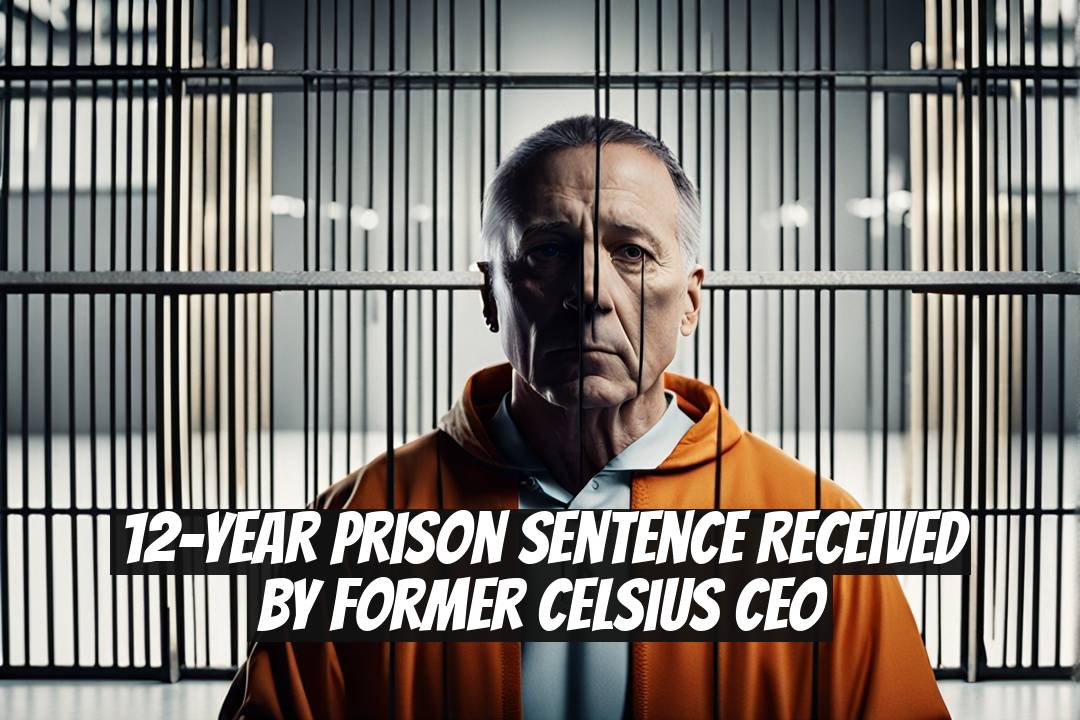
What Does Alex Mashinsky’s Sentence Mean for the Future of Crypto? ?
Hey there! So, unless you’ve been living under a rock, you likely heard about Alex Mashinsky, the former CEO of Celsius Network, getting slapped with a 12-year sentence for some serious fraud. While we’re all trying to sift through the wreckage of this case, it’s crucial to dive deep into what this really means for the crypto market, potential investors, and the industry as a whole.
Key Takeaways:
- Mashinsky’s Charges: Committed securities and commodities fraud, misappropriated customer funds.
- Impact on Investors: Over $5 billion lost by Celsius customers.
- Sentencing Dynamics: 12 years, significant shorter than the 20 years prosecutors sought.
Subscribe to our Social Media for Exclusive Crypto News and Insights 24/7!
The Fallout from Celsius’ Downfall ?
First off, it’s important to recognize how much unrest this has stirred within the crypto community. You’ve got to think about the folks who trusted their money with Celsius. It’s heart-wrenching to see customers lose more than $5 billion due to what many see as a betrayal. This breaks trust-not just with Celcius, but with crypto platforms at large.
Yeah, it can get messy:
Bank-runs: We saw cash withdrawals like it was Black Friday in July 2022, and that freakout prompted Celsius to freeze withdrawals, leading to its bankruptcy. Not a great look for the crypto world, right?
- Market Sentiment: Cases like this contribute to a negative perception of crypto-potential investors might hesitate, believing the digital asset market is rife with risk and fraud. That skepticism can linger.
The Sentencing: A Mixed Bag of Reactions ️
Here’s where it gets spicy. Mashinsky was handed a 12-year sentence, which is eight years shorter than what prosecutors wanted. I mean, how does that work? His legal team argued for a year-just a year and a day-which sounded ludicrous to many who felt he deserved much more. Some creditors even asked for the maximum of 30 years!
What does all this mean? Well, while it’s easy to chuckle at the absurdity, it brings to light a larger conversation about accountability in crypto. If we don’t hold these figures to the fire, what message does that send to would-be investors who might still be on the fence about crypto?
The Emotional Toll on Investors ️
Imagine waking up one day and finding out your hard-earned cash is gone. For many Celsius users, that nightmare was real. It’s more than just numbers on a spreadsheet; it’s real people affected by this situation.
Think about it: folks who invested their life savings, believing in innovation, are now left with wounds that won’t easily heal. Feeling safe in crypto is like a house of cards now, right beneath a harsh wind. So, how can we rebuild that trust?
Practical Tips for Potential Investors ?
Here are some practical takeaways if you’re eyeing the crypto market:
Do Your Homework: Always vet the platforms thoroughly. Use resources like CoinMarketCap and financial forums to check reviews.
Diversify: Don’t put all your eggs in one basket-spread your investment across various cryptos and traditional assets.
Stay Informed: Follow credible news sources. The crypto landscape changes faster than a chameleon on a rainbow!
Trust, but Verify: Look for transparency reports from platforms and don’t hesitate to ask questions.
- Consider Regulatory Clarity: Keep an eye on how regulatory bodies evolve their stance on crypto; it can significantly impact your investments.
Personal Insights ?
From my own experience, I’d say this situation is a teachable moment. Cryptos are a wild west right now. Sometimes, it feels like everyone’s gung-ho at the idea of overnight riches, but we need to remember the fundamental principles-trust and accountability.
As sad as it is, there are lessons in tragedy. This is a wake-up call for better regulation, more responsible platforms, and a focus on protecting users. I mean, wouldn’t you want to sleep at night knowing your investments are safe?
Conclusion: A Turning Point for Crypto? ?
Will Mashinsky’s downfall serve as a catalyst for change in how we view and interact with cryptocurrency? This scenario has showcased both the highs and lows of the crypto world. It raises questions about what regulations and standards we need to ensure something like this doesn’t happen again.
Ultimately, are we looking at an era of greater scrutiny and accountability, or will it just be a blip on the radar? It’s high time we reflect on what kind of market we want to build. What’s your take?