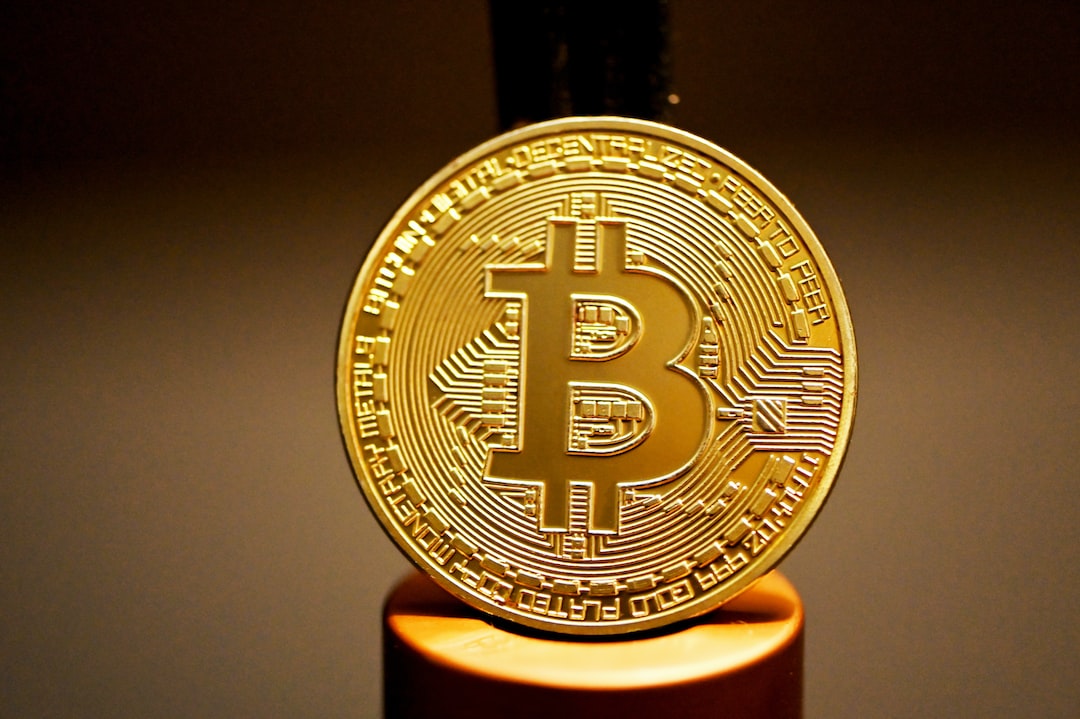
Bitcoin Reserves on Exchanges Continue to Decline
The latest data from CryptoQuant shows that Bitcoin balances on major cryptocurrency exchanges like Coinbase, Binance, and Kraken have reached a six-year low. This decline comes after a period of significant losses in August and early September, as the broader market stabilizes.
Currently, these exchanges hold only 2.09 million BTC out of a total maximum supply of 21 million coins. By the end of 2023, it is estimated that more than 19.7 million BTC will be in circulation.
While a decrease in Bitcoin held on exchanges can be seen as a positive sign indicating market strength and expectations of rising prices, it may also reflect growing regulatory uncertainty. Traders and investors might be choosing self-storage options for their BTC amidst this uncertainty and will likely transfer their coins back to centralized platforms when conditions are more favorable.
Subscribe to our Social Media for Exclusive Crypto News and Insights 24/7!
SEC Takes Stricter Measures Against Crypto Exchanges
The decline in BTC reserves on exchanges has been ongoing throughout 2022 but accelerated in November. This coincided with the collapse of FTX, a once-popular cryptocurrency exchange that blocked billions of client funds.
In early 2023, after several regional banks in the US collapsed, the outflow of funds slowed but continued to decline. The trend can be attributed to increased scrutiny from the US Securities and Exchange Commission (SEC), which is cracking down on large cryptocurrency platforms for non-compliance with legal requirements.
In June, both Binance and Coinbase were sued by the SEC for allegedly offering unregistered securities to their clients. Binance.US has faced numerous challenges recently, including layoffs, staff reductions, and operational issues. As a result, trading volume on Binance.US has dropped significantly.
Hot Take: Bitcoin Reserves on Exchanges Hit Six-Year Low Amid Regulatory Pressure
The decline in Bitcoin reserves on major exchanges is a notable development that reflects both market dynamics and regulatory pressures. While it can be interpreted as a bullish signal for the market, it also highlights the growing uncertainty surrounding cryptocurrency regulations.
Traders and investors are opting for self-storage options as they navigate this regulatory landscape, with the intention of returning to centralized platforms at a more opportune time. The SEC’s actions against exchanges like Binance and Coinbase further contribute to this trend.
As the crypto industry continues to evolve, it is crucial for market participants to stay informed about regulatory developments and adapt their strategies accordingly.