Insights from Eurasia Group’s Bremmer on US-China Relations, Israel
In a recent interview, Ian Bremmer, President, and Founder of Eurasia Group & GZero Media, shared valuable insights on various geopolitical issues such as President Biden’s decision to raise tariffs on China, China’s relationship with Russia, and the US-Israel ties. Here are the key takeaways:
President Biden’s Tariffs on China

- The tariffs on China have been raised across several administrations, indicating a longstanding issue.
- Despite the tariffs, China continues to engage with American and global CEOs due to its underperforming economy.
- Biden’s decision aims to address political demands for tougher action on China, especially during the US election period.
Subscribe to our Social Media for Exclusive Crypto News and Insights 24/7!
China-Russia Relationship
- Putin’s close ties with North Korea and Iran raise concerns about the transfer of weapons and technology.
- While the China-Russia relationship is warming, there are still significant limitations.
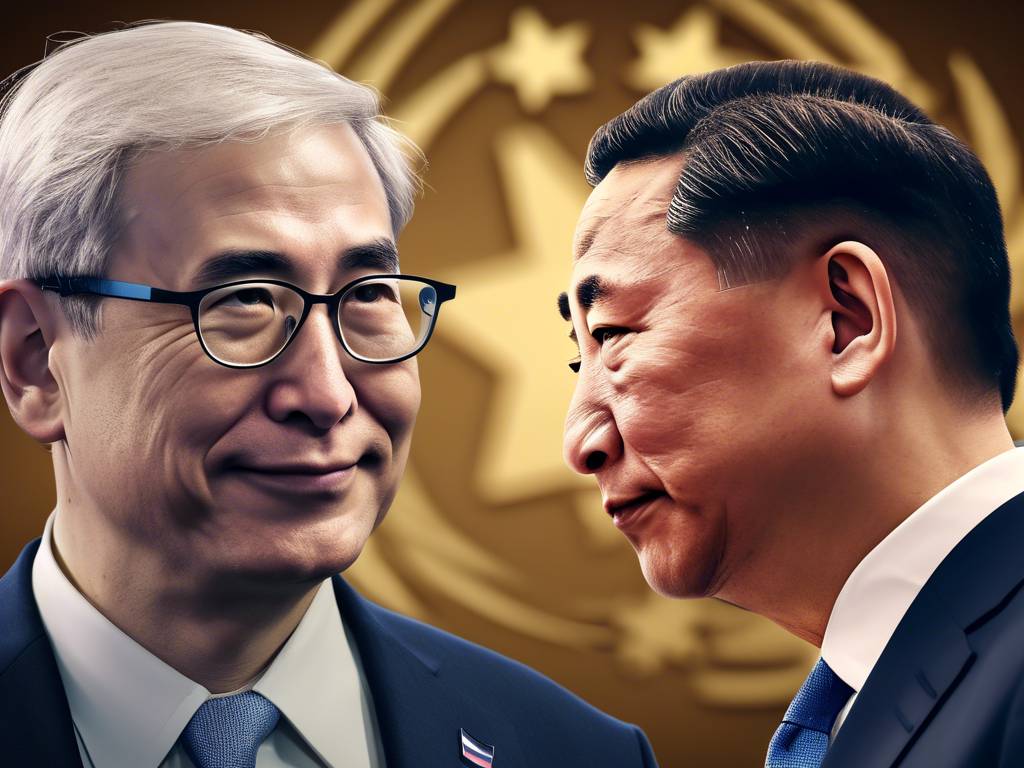
- The recent summit between Putin and Xi Jinping did not result in concrete policy breakthroughs.
US-Israel Relations
- The US House of Representatives passed a bill to compel the Biden administration to provide weapon support to Israel.
- Biden’s handling of the conflict puts pressure on him from both Republicans and Democrats.
- The Israeli Prime Minister’s stance on Biden’s suggestions weakens US support for Israel on the global stage.
Challenges on College Campuses
- Recent protests on college campuses, including at Columbia University, highlight the divisive nature of the Israel-Palestine conflict.
- Bremmer’s address at Columbia University graduation faced disruptions but ultimately led to constructive engagement.
- Listening to and challenging students with honesty and authenticity is essential in addressing contentious issues.
Hot Take: Understanding Geopolitical Dynamics
Overall, Bremmer’s insights shed light on the complexity of geopolitical relationships and the challenges they present. Understanding and navigating these dynamics require nuanced approaches, open dialogue, and a willingness to engage with differing perspectives in today’s global landscape.