Bitcoin’s Ascent and Ripple’s Controversy: A Deep Dive ?
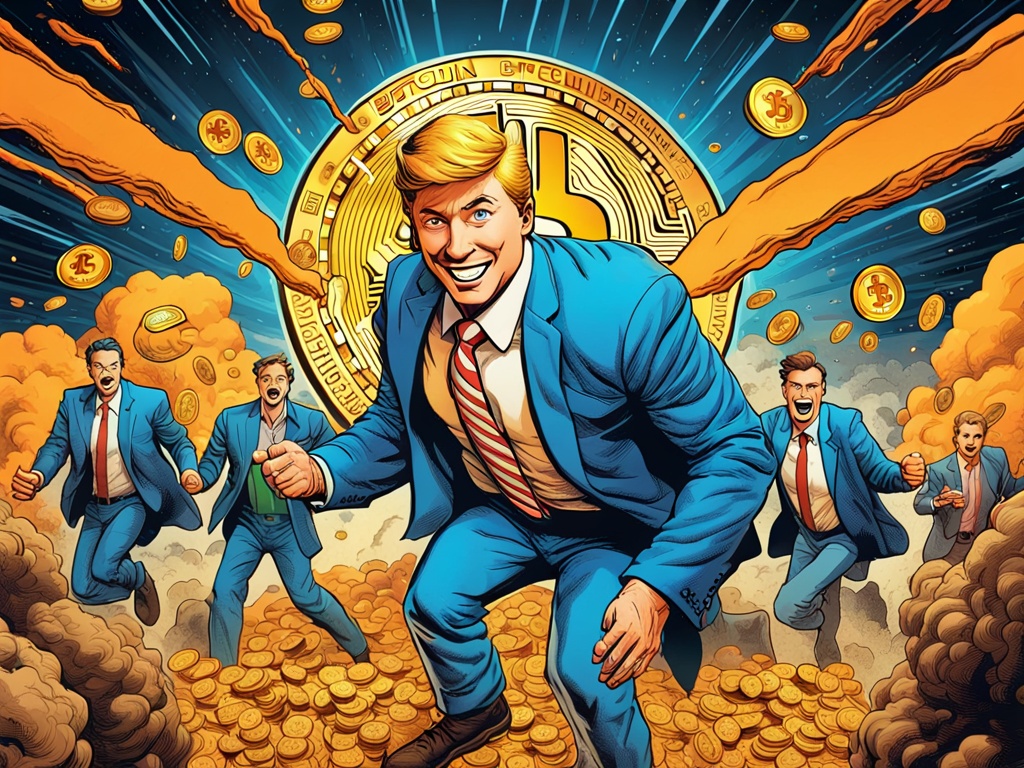
This year, Bitcoin is experiencing significant upward movement, with insights suggesting that new all-time highs could be on the way. A notable factor contributing to this bullish trend is an executive order announced by U.S. President Donald Trump, which proposes the establishment of a U.S. government Bitcoin Reserve. This development has ignited enthusiasm within the cryptocurrency community, particularly among Bitcoin supporters.
However, along with the positive Bitcoin news, XRP is facing intense scrutiny across social media platforms. Pierre Rochard, the Vice President of Research at Riot Platforms, has articulated that the primary obstacle to the Strategic Bitcoin Reserve (SBR) is not the Federal Reserve, the Treasury, or any banking institutions, but rather Ripple itself. Rochard contends that Ripple is investing substantial amounts of money in lobbying efforts aimed at halting the SBR in order to protect its own narrative while promoting Central Bank Digital Currencies (CBDCs).
Ripple Accusations and Responses ️
Subscribe to our Social Media for Exclusive Crypto News and Insights 24/7!
Rochard has gone so far as to accuse Ripple of attempting to undermine Bitcoin mining operations under the current Biden administration. He claims that Ripple has effectively expressed a “declaration of war” against the Strategic Bitcoin Reserve through its lobbying activities. According to Rochard, Ripple ought to concentrate on its business operations rather than meddling with the developments surrounding the SBR.
- Key points from Rochard’s statement include:
- Ripple/XRP has been a prominent source of misinformation against Bitcoin for over a decade.
- The company has actively lobbied for the prohibition of Bitcoin mining globally.
- It has weaponized environmental, social, and governance (ESG) narratives to promote its centralized token.
The Counter-Argument from Ripple’s Leadership ?
Ripple’s CEO, Brad Garlinghouse, has responded to Rochard’s accusations by asserting that their initiatives are actually enhancing the likelihood of establishing a strategic reserve for cryptocurrencies, potentially incorporating Bitcoin. Garlinghouse emphasized that Ripple’s approach aligns with the U.S. government’s broader ambitions to promote domestic technologies and companies.
In the wake of the ongoing dialogue between Bitcoin advocates and Ripple supporters, it remains to be seen how this will affect the overall cryptocurrency landscape as discussions about regulatory measures intensify.
Market Reactions and Future Implications ?
The conflicting narratives between Ripple and Bitcoin enthusiasts illustrate the broader divisions within the crypto space. As the U.S. government outlines its strategy for digital currencies, the stakes appear to be rising for both cryptocurrencies. Stakeholders on all sides are paying close attention to how these developments will unfold, particularly in regard to policy direction and the establishment of reserves.
As Bitcoin inches closer to potential record-breaking highs, XRP’s role in this dynamic raises questions about how established players in the cryptocurrency field will adapt to emerging regulations and competition. The implications of a government-led Bitcoin Reserve might extend beyond mere speculation, affecting blockchain networks, mining operations, and overall market sentiment.
Hot Take: Navigating the Crypto Landscape ?
This year has set the stage for dramatic shifts within the cryptocurrency ecosystem. With the possibility of a U.S. government Bitcoin Reserve and rising tensions surrounding XRP, it’s crucial to keep an eye on the unfolding narrative. As stakeholders involved in cryptocurrencies strive to position themselves advantageously, understanding the motivations and strategies of key players like Ripple may provide insight into future trends. The crypto community remains highly vigilant as these events develop, shaping the course of digital currency debates and innovations.