I’m glad you’re interested in how the current economic climate affects the crypto market. So, let’s dive into it!
The recent developments surrounding U.S. tariffs, especially those involving Canada, Mexico, and China, have significant implications for the broader financial landscape, including cryptocurrencies. You see, cryptocurrencies often respond to global economic shifts, and these tariff discussions can create ripples that affect investor sentiment and market volatility.
What’s Happening with Tariffs?
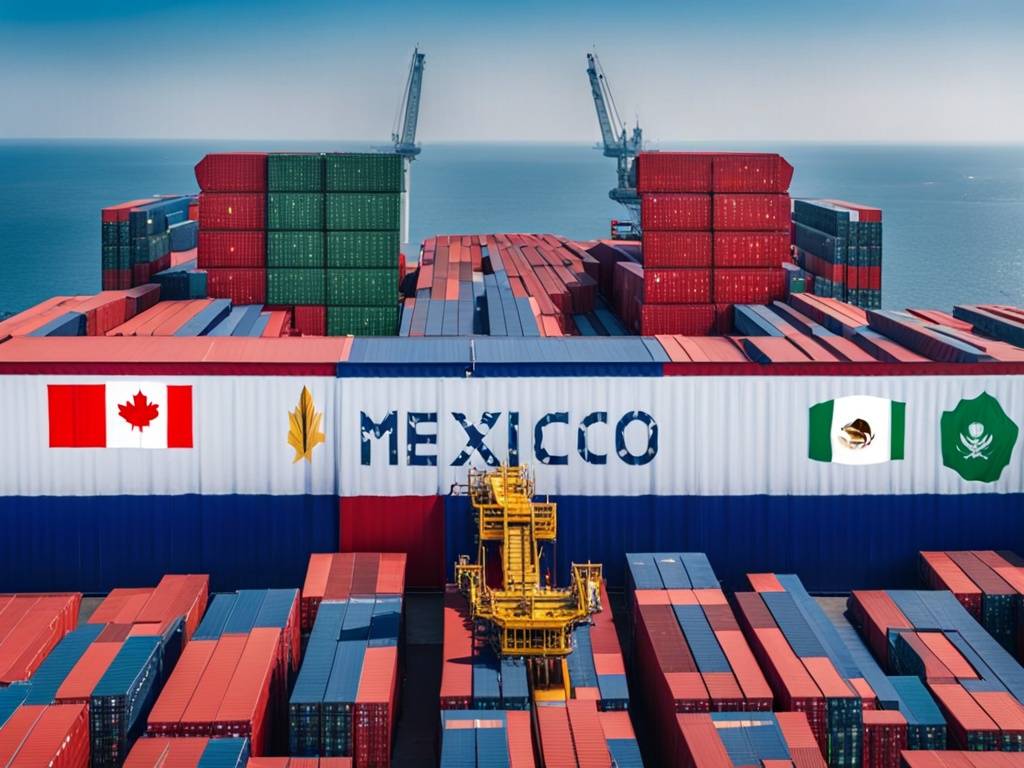
So, President Donald Trump recently announced a 30-day pause on tariffs against Canada and Mexico, contingent upon negotiations to tackle border security and drug trafficking. This kind of pause can bring a sense of relief to investors, even if it’s temporary. A potential trade war, where countries impose tariffs on each other’s goods, can spike uncertainty in markets, leading to sell-offs-not only in traditional markets but also in cryptocurrencies. A volatile situation could push investors towards or away from crypto assets as they seek safer havens or speculative opportunities.
Subscribe to our Social Media for Exclusive Crypto News and Insights 24/7!
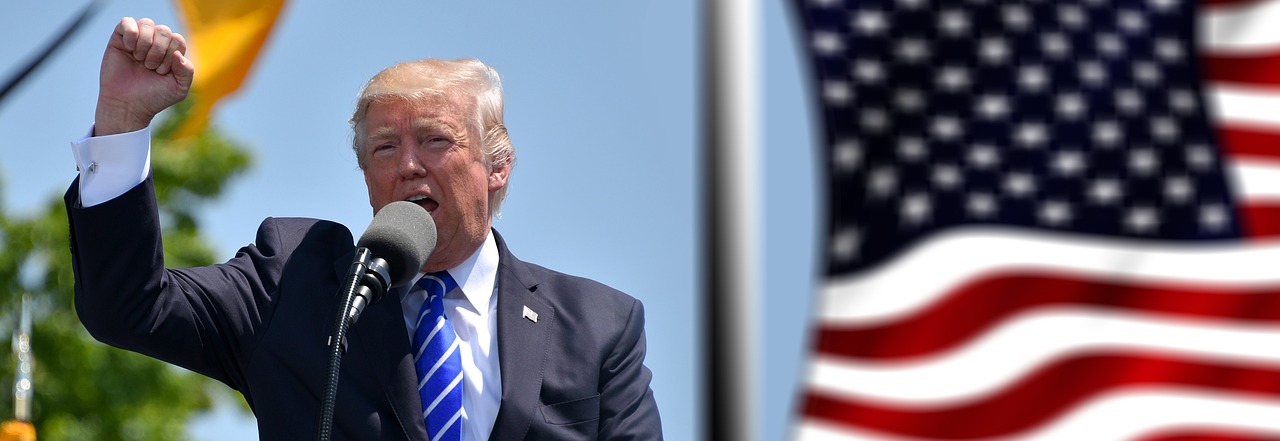
When Trump tweeted about the pause, mentioning “FAIRNESS FOR ALL,” it sent a signal that negotiations could stabilize the situation temporarily. Canadian Prime Minister Justin Trudeau’s response highlighted concerted efforts to combat illegal activities, which may foster a cooperative relationship between the nations. This kind of collaboration can positively affect market sentiment, as it reflects a somewhat stable political environment.
The Impact of China
On the other hand, China’s counteractions to U.S. tariffs, including imposing its own tariffs and launching an antitrust investigation into Google, further complicate the landscape. The former state department official, Philip Luck, pointed out that China has become better equipped to respond effectively, showcasing a potentially severe impact on U.S. economics if they decide to leverage their strategic commodities against us.
China’s decision to implement tariffs on coal, LNG, crude oil, and more indicates they are ready to defend their interests robustly. This retaliatory action may foster a climate of fear concerning trade wars, which, historically, has been detrimental to both commodities and cryptocurrency markets.
How Does This Affect Crypto?
Now, how do these geopolitical tensions translate to the crypto market? Here are a few insights:
Increased Volatility: As traders react to news on tariffs and international relations, we can expect heightened volatility in crypto prices. For instance, uncertainty often leads to increasing interest in Bitcoin and stablecoins, as investors look for refuge.
Investment Shift: If tensions escalate and the economy appears shaky, we might see a shift toward cryptocurrency as a hedge against inflation or economic downturns. The logic is simple: in uncertain times, people often turn to assets perceived as “digital gold.”
- Market Sentiment: Crypto markets are heavily influenced by market sentiment. If investors feel optimistic about the U.S. pausing tariffs, they might invest more, causing prices to rise. Conversely, negative news could lead to panic selling.
Practical Tips for Potential Investors
If you’re considering entering the crypto market or are already involved, here are a few practical tips:
Stay Informed: Keep track of political developments related to tariffs and trade. These can influence market trends significantly. Reliable news platforms and analysis can offer valuable insights.
Diversify Investments: Whether in crypto or traditional markets, diversifying your portfolio can help mitigate risk during turbulent times. Consider holding a mix of traditional assets and various crypto coins.
- Use Stop-Loss Orders: In a volatile market, these can protect your investments from drastic drops in price.
Personal Insights
From my perspective, it’s crucial to remain calm during these periods of volatility. While the macroeconomic factors like tariffs can create uncertainty, they also present unique opportunities. Historically, many investors have found success by treating crypto as a long-term investment rather than reacting to every market fluctuation.
In the end, knowledge is power-especially in crypto. Educating yourself about not just crypto, but also economic influences, will position you better in making informed decisions.
Key Takeaways
- Crypto reacts to geopolitical events: Economic policies can lead to price shifts.
- Stay informed and seek diversification: This is vital in managing risk.
- Be calm amidst volatility: Long-term perspectives often yield better results.
To wrap it up, understanding how tariffs and international relationships affect the economic landscape is key for any potential investor-especially in the realm of cryptocurrencies.
If you’re interested in diving deeper, check out these links for more insights: Canada and Mexico Tariffs, China Tariffs, US Trade Relations.