
Significant Developments in Fintech: Stripe Acquires Bridge for $1.1 Billion ?
A casual meeting at Stripe’s headquarters paved the way for a remarkable billion-dollar acquisition that could shape the future of the fintech landscape. Stripe, under the leadership of co-founder and CEO Patrick Collison, has made strides into the cryptocurrency realm by acquiring Bridge, a stablecoin infrastructure company.
A Surprising Encounter Turned Acquisition ?
Last summer, Stripe organized a roundtable discussion featuring Wally Adeyemo, who was serving as the deputy secretary of the Treasury Department. During this gathering, which included financial service providers like Patrick Collison and Bridge co-founder Zach Abrams, an unexpected conversation unfolded. This exchange, initially intended to address general fintech challenges, quickly evolved into a focused discussion on stablecoins, primarily due to the insights shared by Abrams.
Subscribe to our Social Media for Exclusive Crypto News and Insights 24/7!
- Abrams noted that the conversation overwhelmingly centered on stablecoins, despite Bridge being the only company in attendance specializing in this area.
- As a result, months later, the meeting culminated in Stripe’s acquisition of Bridge for approximately $1.1 billion, making it Stripe’s most significant acquisition to date.
Onboarding and Cultural Integration ?
This week, Bridge’s team of around 60 employees gathered in San Francisco for a formal onboarding at Stripe. They were introduced to Stripe’s culture and operational standards through a comprehensive orientation program designed for new hires. This initiative is part of Stripe’s standard practice, which occurs every two weeks.
Bridge’s business revolves around facilitating easier acceptance of stablecoin payments by companies without the need for direct dealings in digital currencies. Stablecoins, linked to stable assets like the U.S. dollar, have gained traction among various clients, including Coinbase and SpaceX.
Adapting to a Growing Trend ?
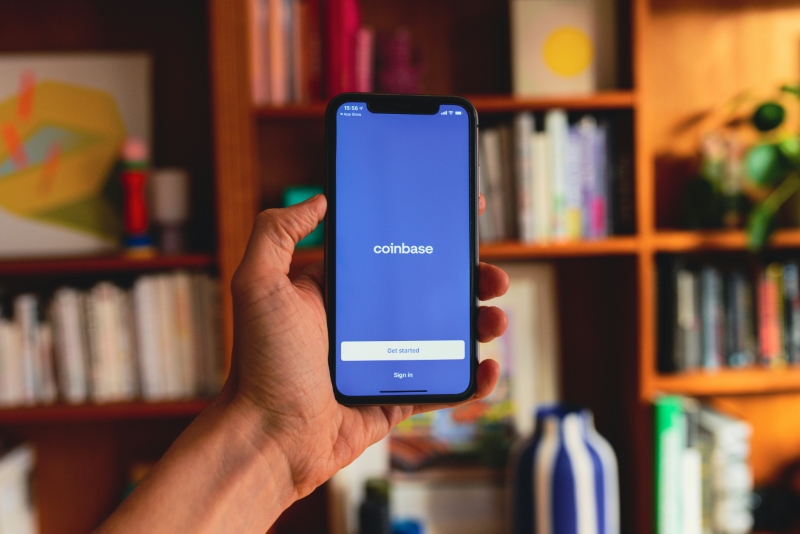
Across the financial services sector, businesses ranging from traditional banks to emerging payment providers are either adopting stablecoins or considering the introduction of their own. The advantages of stablecoins include simplification of currency transitions and reduction of costs associated with digital transactions. A recent report from Standard Chartered indicated that stablecoins could see their share in foreign exchange transactions grow significantly.
Before the significant meeting with Collison, Bridge had actively pursued a partnership with Stripe, aiming to integrate its technology into Stripe’s expansive payment ecosystem. As Collison and Abrams built rapport over the following weeks, Stripe’s interest in Bridge intensified.
Previous Attempts and Future Prospects ?

Stripe’s journey with cryptocurrency is not without its challenges. The company was among the first major fintech entities to support Bitcoin transactions back in 2014. However, by 2018, it had to withdraw from that space due to scalability issues and elevated transaction fees while maintaining a positive outlook on cryptocurrency developments.
- With the acquisition of Bridge, Stripe aims to venture into stablecoins, showcasing its commitment to adapting to market needs.
- During its flagship Sessions conference, Stripe announced plans for merchants to accept stablecoins for online transactions, witnessing unprecedented volume in stablecoin transactions soon after.
Despite progress, Stripe still faced the challenge of managing cross-border transactions efficiently, a gap that Bridge’s technology is poised to fill. Neetika Bansal, Stripe’s head of money movement, emphasized Stripe’s long-standing objective of removing barriers in global commerce, primarily through traditional payment infrastructures.
A Strategic Move for Global Commerce ?
The acquisition of Bridge, which came with a high financial commitment reflecting its strategic importance, is seen as a critical step in enhancing Stripe’s capabilities in international money movement. Bansal described the collaboration with Bridge as vital for identifying new opportunities and honing product development initiatives that leverage Bridge’s technology.
Stripe manages millions of cross-border transactions daily, a segment that is expanding at a remarkable rate. The integration of stablecoins offers potential cost savings and streamlined processes for these transactions.
- Bansal highlighted a typical case where a U.S. company pays a contractor in the Philippines, showcasing how stablecoins could simplify such processes.
- Stripe has already partnered with Remote.com to facilitate stablecoin-based payouts across over 70 countries.
In the immediate future, Bridge will continue to operate its current offerings. The teams from Stripe and Bridge are collaborating to explore optimal integration strategies as well as new product development opportunities, capitalizing on Bridge’s expertise in stablecoin technology.
Bansal acknowledged Bridge’s leadership in the stablecoin sector, indicating that many of their discussions focus on leveraging what Bridge has learned in this specific field.
In a world where fintech continues to evolve rapidly, this strategic acquisition marks a noteworthy chapter for Stripe and its ambitions in the cryptocurrency space.