AI-generated art is an exciting frontier that merges technology with creativity, but it also brings significant questions about ownership and rights. As we explore this topic, especially in the context of the crypto market, I want to ensure that you have all the information needed to make informed decisions as a potential investor.
Understanding AI-Generated Art
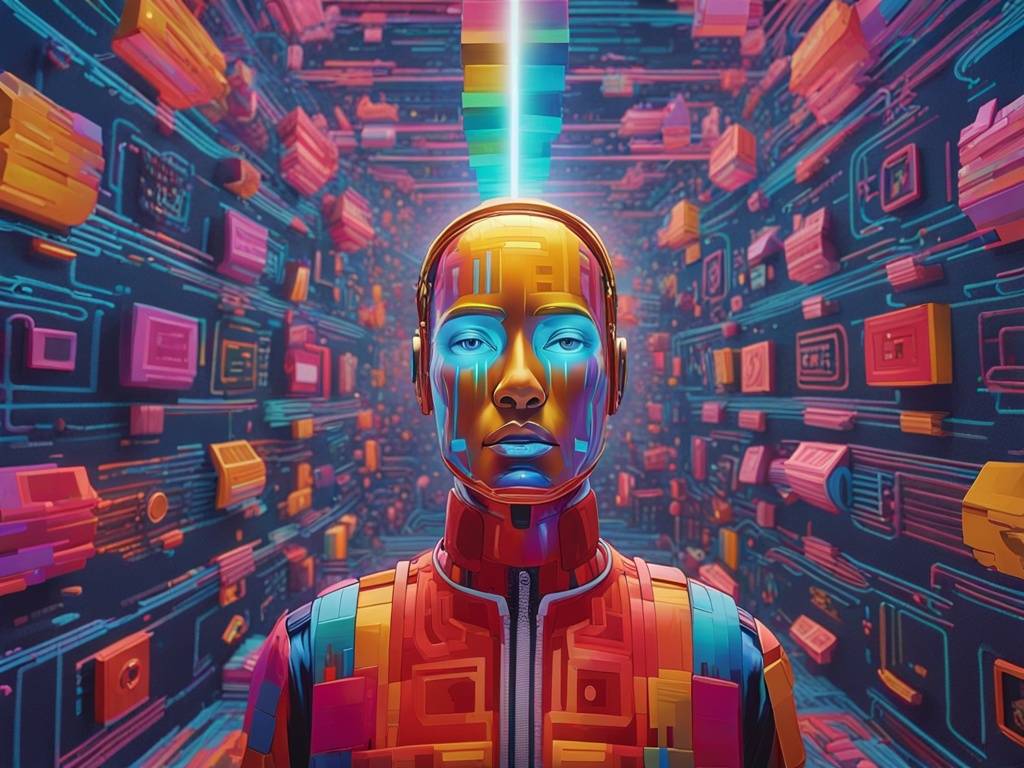
At its core, AI-generated art is created with the help of algorithms that analyze data to produce visuals, music, or designs. That’s a shift from traditional methods where an artist pours their emotions and creativity into each piece by hand. Nowadays, anyone can prompt an AI with their ideas, and voilà-beautiful art can emerge in seconds. This accessibility opens the door for many to express themselves artistically, which is pretty exciting, right?
Historically, machine-generated art isn’t entirely new. The experimentation began in the 1960s when artists and computer scientists crafted basic patterns. As technology advanced, so did the sophistication of AI capabilities. The introduction of non-fungible tokens (NFTs) has revolutionized how we view and trade digital art by using blockchain technology to verify uniqueness and ownership.
Subscribe to our Social Media for Exclusive Crypto News and Insights 24/7!
The Crypto Market Impact
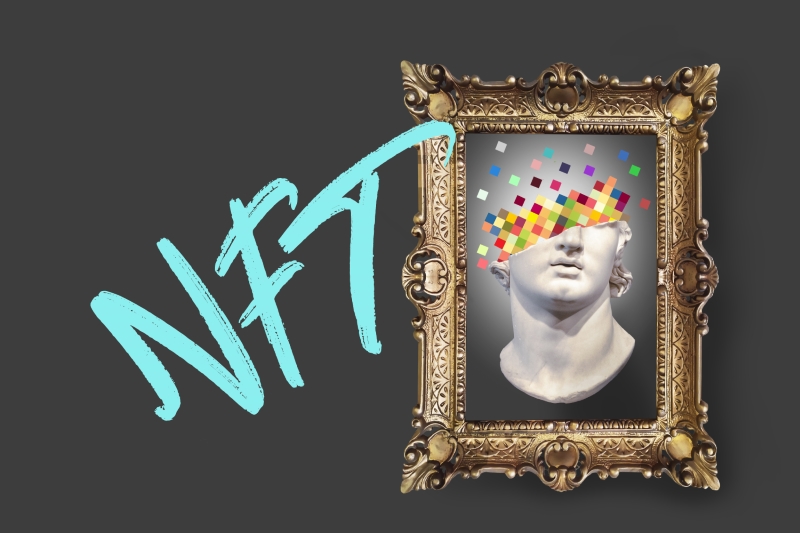
Now, you might wonder how all this ties into the crypto market. Here’s the thing: as more people engage with AI-generated art, the demand for platforms that can authenticate and protect these works has skyrocketed. That’s where blockchain comes in as a solution. It offers an unchangeable record of who owns what, ensuring that artists-whether human or AI-are fairly compensated for their creations.
Take, for example, the emerging 7007 protocol. This blockchain solution provides verifiable ownership and authenticity for AI-generated content. Unlike traditional NFTs, this protocol ensures that both AI-generated and human-created artworks can coexist, giving everyone a fair shot in the digital space. This is a significant step towards resolving the ownership and originality challenges we face today.
Challenges in the Landscape

Despite the promising potential, AI-generated art has its challenges, primarily related to copyright and originality. If an AI produces a piece with minimal human input, who should hold the rights? Traditional law systems are not equipped to handle these modern scenarios, creating uncertainty for artists and developers alike.
There’s also an ethical debate surrounding AI’s ability to learn from existing works. If an AI model trains on copyrighted art, can the output be genuinely considered original? This gray area can diminish the value of human creativity, raising concerns about artists’ future livelihoods.
Yet, not all view AI as a threat. Many see it as a tool-similar to photography or digital editing-that can enhance human creativity rather than replace it. This perspective opens a dialogue about collaboration rather than competition between human artists and AI.
Practical Tips for Artists and Investors

As an artist or a potential investor in this realm, consider these practical tips:
Explore Blockchain Options: Familiarize yourself with blockchain-based tools like the 7007 protocol. They can help you protect your work and establish a fair market presence.
Stay Informed on Copyright Changes: Keep an eye on the evolving legal framework around AI-generated content. Understanding these shifts can help you navigate potential challenges.
Diversify Your Portfolio: If you’re investing, mix traditional forms of art with AI-generated pieces, especially NFTs. As the market grows, this diversification could lead to unique opportunities.
- Engage with the Community: Participate in discussions with fellow artists and technologists. Collaborative projects often lead to innovation and can enhance the market’s growth.
Final Insights
The world of AI-generated art is thrilling and uncertain. As an investor, you have the opportunity to be involved in this evolving narrative. With advancements in blockchain technology and the increasing acceptance of AI as a creative tool, the potential for growth is immense.
In summary, understanding AI-generated art and its place within the crypto market is crucial. It’s a realm filled with both exciting possibilities and considerable challenges. As we move forward, finding ways to protect the uniqueness of digital creativity while embracing innovation will be key.
To explore more on this topic, check out these links:
By staying informed and engaged, you can confidently navigate this vibrant and dynamic landscape.