
Coinbase Expands Offerings in Crypto Derivatives Market ?
Coinbase has broadened its footprint in the U.S. crypto derivatives landscape by introducing futures contracts based on Solana (SOL) and Hedera (HBAR). This development, announced on a Tuesday, caters to institutional traders seeking varied strategies and represents a significant growth area for Coinbase Derivatives.
Introduction of New Futures Contracts ?
This year, the launch of futures contracts for Solana and Hedera is a pivotal moment. The standard futures contracts for Solana are defined at 100 SOL per contract, while the nano counterparts comprise 5 SOL each. For Hedera, each contract represents 5,000 HBAR. This diversification is part of a larger strategy by Coinbase, which now offers 19 futures contracts approved by the CFTC, covering a spectrum of digital assets including popular cryptocurrencies.
Subscribe to our Social Media for Exclusive Crypto News and Insights 24/7!
Bridging Crypto with Traditional Finance ?
The addition of Solana and Hedera futures signifies a crucial step towards merging cryptocurrency trading with traditional finance. In July 2022, Coinbase Derivatives introduced margined futures for several prominent cryptocurrencies, enhancing the trading framework available to investors. Following this, in August 2023, Coinbase Financial Markets obtained authorization from the National Futures Association to function as a Futures Commission Merchant (FCM). This advancement enables institutional players to participate in regulated futures trading effectively, allowing for better management of crypto risks.
Global Expansion of Coinbase’s Offerings ?
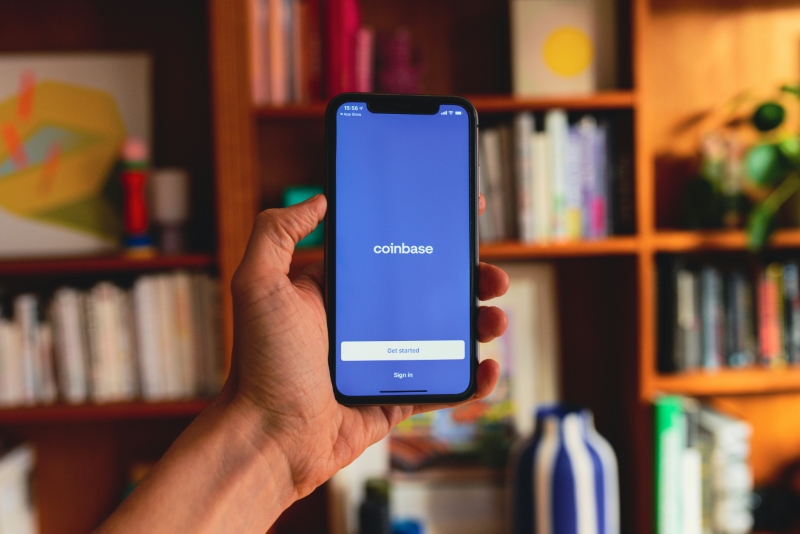
In addition to its U.S. offerings, Coinbase has made strides internationally by launching crypto-native FX trading with EURC perpetual futures available on its international exchange. This innovation includes the EURC/USDC trading pair, allowing leveraged exposure to the Euro’s fluctuations, independent of conventional forex market restrictions, with options for up to 20x leverage and instant settlement.
Legal Challenges Amid Institutional Growth ?

Despite its expanding portfolio, Coinbase is navigating challenging waters, facing a shareholder lawsuit from Wenduo Guo. This legal action alleges the company, along with its executives, misled investors about bankruptcy risks and engaged in risky proprietary trading. The lawsuit filed in a New Jersey federal court points out that customer assets could potentially be included in Coinbase’s bankruptcy estate, which might render retail customers as unsecured creditors.
Concerns Over Customer Fund Security ?
The lawsuit raises serious questions about Coinbase’s public declarations concerning the security of customer funds. It draws parallels to the collapse of numerous cryptocurrency exchanges, which affected thousands of customers unable to retrieve their assets in previous failures. Guo’s complaint underscores the need for Coinbase to bolster protective measures for retail investors against similar risks, especially after several high-profile exchange failures.
Seeking Damages and Reform ️
As part of the lawsuit, Guo is pursuing damages and seeks reforms in the governance structures at Coinbase. Notably, the complaint also implicates key executives, including CEO Brian Armstrong and co-founder Fred Ehrsam, referencing the U.S. Securities and Exchange Commission’s ongoing investigations into the company for allegedly dealing with unregistered securities and operating without necessary clearance.
Evaluating Future Prospects ?
Even amidst these legal challenges, Coinbase has reported remarkable financial growth, with a staggering revenue increase of 138% compared to last year. The company announced a net income of $1.3 billion, significantly higher than prior year’s earnings. This juxtaposition between robust financial performance and legal scrutiny emphasizes the need for the company to address governance and risk management issues simultaneously.
Fostering Confidence in the Crypto Market ?
Coinbase’s launch of new futures products creates valuable opportunities for traders looking for sophisticated ways to engage with cryptocurrency. However, the shareholder lawsuit serves as a critical reminder that sustaining investor confidence relies heavily on maintaining effective legal frameworks and transparency. Striking a balance between innovation in digital trading and robust governance will be essential as the sector continues to evolve.
Hot Take: The Dual-Edged Sword of Expansion ?️
As Coinbase positions itself in the growing landscape of crypto derivatives, it illustrates both the potential and the risks inherent in the convergence of digital and traditional finance. Moving forward, regulatory compliance and confidence from traders will determine not just Coinbase’s success but the broader acceptance of cryptocurrency in financial markets. How the company navigates these challenges may well shape the future of crypto integration in the financial fabric of society.
Sources: Coinbase Blog, PACER Monitor