? What Does Richard Heart’s Court Win Mean for Crypto Investors? ?
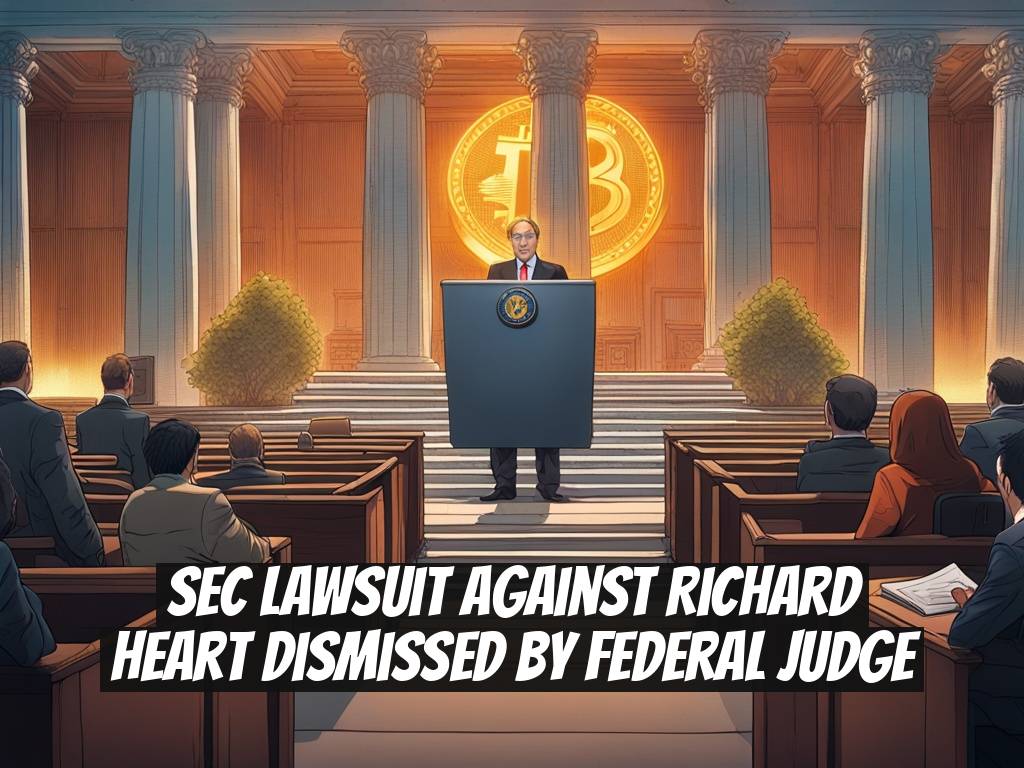
Hey there! So, I’ve been diving deep into the latest legal happenings in the crypto space, and man, this one has some pretty significant implications for both crypto enthusiasts and potential investors. Recently, a U.S. federal judge dismissed the SEC’s lawsuit against crypto entrepreneur Richard Heart, the guy behind Hex, PulseChain, and PulseX. Yes, you heard that right! If you’re thinking about the future of your crypto investments, this ruling could be a game-changer.
Key Takeaways
- Dismissal of SEC Lawsuit: The court ruled that the SEC couldn’t prove personal jurisdiction over Richard Heart.
- Lack of U.S. Contacts: The judge emphasized that Heart’s activities didn’t directly target U.S. investors.
- Potential Implications: This ruling signals a potentially more lenient stance on crypto regulations, which can impact market confidence and investment strategies.
- SEC’s Next Move: The SEC has 20 days to amend their complaint, which could bring this saga back into the headlines.
Subscribe to our Social Media for Exclusive Crypto News and Insights 24/7!
Now, let’s break this down. The judge, Carol Bagley Amon, essentially said that Heart’s connections with the U.S. weren’t robust enough to warrant SEC scrutiny. They didn’t buy the argument that his virtual appearances at conferences in the States meant he was doing business with U.S. investors. In the eyes of the law, those activities didn’t hold up, which is both surprising and kind of refreshing for the crypto community.
? The Bigger Picture

So what does this all mean for the crypto market?
Increased Confidence: For investors, ruling like this could bring some positivity. It shows that there are limits to how far regulatory bodies can reach, and might encourage more people to explore crypto without the looming fear of overzealous penalties from the SEC.
Regulatory Clarity: The judge’s dismissal underlines the urgent need for clear regulations in the crypto space. As it stands, many crypto projects tread a fine line regarding securities laws, and a clearer regulatory framework could foster innovation while protecting investors.
- Potential for More Cases: The SEC has been aggressively pursuing cases against various crypto figures and companies, which raises the question: will they rethink their approach? This ruling might cause them to reconsider or refine their strategy in dealing with crypto offerings.
? What Should Investors Do?
Alright, let’s get practical. Here are some tips for those of you looking to stay ahead in this evolving landscape:
Stay Informed: Keep your finger on the pulse of regulatory developments. Laws can change rapidly, and being informed can help you dodge pitfalls.
Diversify Your Investments: Given the volatility and regulatory uncertainty, don’t put all your eggs in one basket. Explore multiple projects, but ensure each one has solid fundamentals.
Consider the Long Term: Short-term market swings can be wild, especially in response to legal news. If you believe in a project’s utility and potential, try to focus on long-term growth rather than panic-selling because of daily fluctuations.
- Research Before Investing: Seriously, don’t just throw money into a project because everyone else is. Look into what you’re investing in, from the team behind it to its overall mission. Projects like Hex and PulseChain should be examined beyond the headlines.
?️ Personal Insights
I think this ruling sends a strong message. It’s almost like the courts are saying, “Hey, crypto isn’t going anywhere, and you regulators need to play fair.” It’s like a small ray of hope in a market that has been pretty shaky. And while Richard Heart has his controversies (trust me, there are plenty of colorful stories out there), this case highlights how necessary it is to have clear definitions around what constitutes a security in the crypto space.
Imagine investing in a project where the rules are clear and the risks more manageable. That vision starts to look a lot more appealing when courts back away from efforts to control innovation without a solid legal basis.
? Final Thoughts
But here’s the million-dollar question: Do you think this is the start of a more favorable environment for crypto, or are we just witnessing a temporary win? Let’s have a chat about it! With the landscape changing so quickly, now’s the time for all of us in the community to voice our opinions and share insights. What do you think this ruling means for the future of crypto regulation?