? Bitcoin is Becoming a Public Asset: What Does This Mean for Investors?
Hey there! So, let’s chat about something super exciting happening in the crypto world right now. If you’ve been tuning in, you might have noticed a wave of states in the U.S. taking serious steps to integrate Bitcoin into their financial frameworks. Can you believe New Hampshire just passed a bill allowing up to 5% of public funds to be allocated into Bitcoin? That’s a big deal!
Key Takeaways
- New Hampshire’s House Bill 302 allows state funds to invest in Bitcoin and other digital assets.
- The bill’s passing demonstrates a growing trend towards cryptocurrency in state finances.
- Other states like Texas and Utah are exploring similar legislation.
- While some states are on board, others remain skeptical about Bitcoin’s volatility.
Subscribe to our Social Media for Exclusive Crypto News and Insights 24/7!
? The Rise of Bitcoin in State Budgets
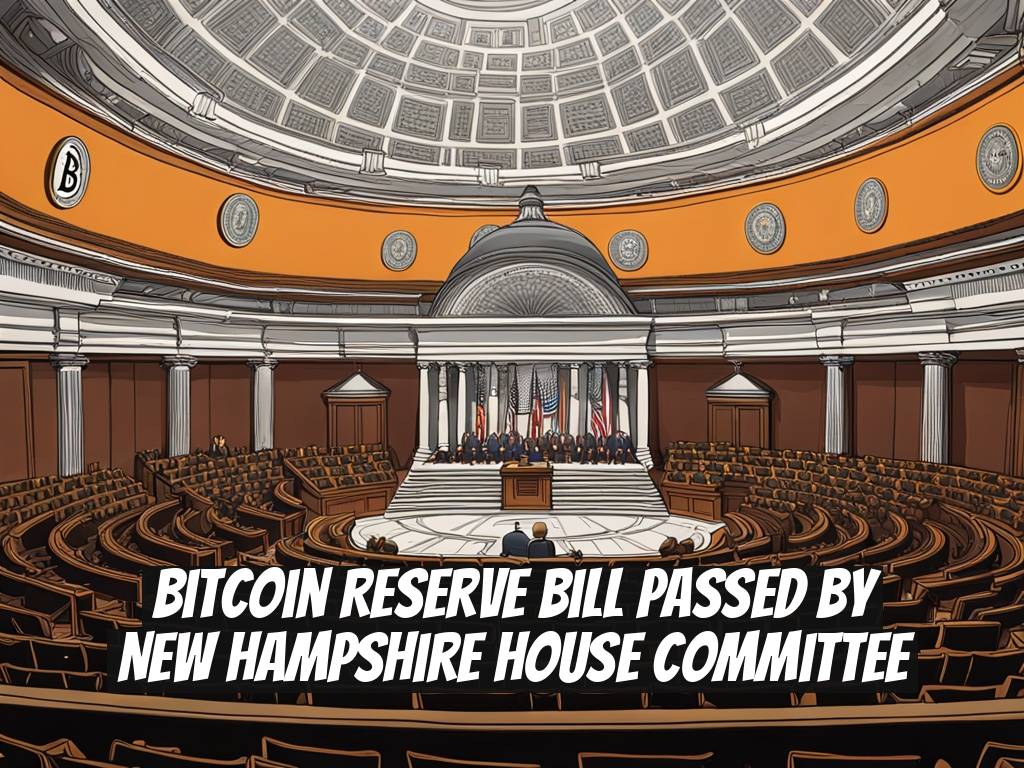
This isn’t just some backroom chatter-New Hampshire’s House Commerce and Consumer Affairs Committee supported House Bill 302 with a solid 16-1 vote! This bill lets the state treasurer invest part of public funds into cryptocurrency, suggesting that even traditional financial sectors are looking to modernize.
Imagine this: the potential for states like New Hampshire to diversify their financial assets. It’s like taking a dip into the crypto pool! Sounds risky? Maybe. But here’s the kicker-these state-level crypto movements are gaining real traction nationally. With President Trump backing a U.S. Crypto Reserve that includes Bitcoin, it’s safe to say we’re on the brink of a more significant transformation here in the U.S.
? State-by-State Momentum

But wait, there’s more! New Hampshire isn’t a lone wolf. Other states like Texas and Utah are getting their bills in motion, aiming to set aside portions of their state funds into Bitcoin and other digital assets. Fun fact: Utah has made strides with its Blockchain and Digital Innovation Amendments bill, which shares similar goals.
While some might argue this sounds like speculative "wild west" investing, consider it a strategic play. Having a slice of Bitcoin in state budgets could hedge against inflation and economic fluctuations. The current market cap of Bitcoin alone stands at a whopping $1.8 trillion! So yeah, it’s not just a passing fad.
? Hurdles Ahead

Now, I don’t want to paint a perfect picture here-while states like New Hampshire and Texas are pushing these forward, others have shut down similar proposals. South Dakota, Montana, and Pennsylvania, for example, have rejected these plans, raising concerns about Bitcoin’s unpredictability. Makes one wonder, what’s holding these states back?
But here’s the kicker; Bitcoin remains the king of crypto, and with its market cap so high-over $500 billion-everyone’s looking at its long-term potential. It’s frustrating to see debates over volatility distract from Bitcoin’s promise. Sure, it can bounce like a rubber ball, but that just emphasizes the opportunity for smart investors who know when to dive in.
? Practical Tips for Investors
So, what can you do as a budding investor? Whether you’re considering jumping on the Bitcoin bandwagon or taking a more cautious approach, here are some friendly tips:
- Stay Informed: Keep an eye on legislation in your state. Local regulations can impact market movements significantly.
- Diversify Your Portfolio: Don’t put all your eggs in one basket. While Bitcoin is solid, other cryptocurrencies have potential too.
- Follow Market Trends: Understand that crypto markets can be volatile. Check out resources like CoinGecko for real-time data.
- Consider Dollar-Cost Averaging: Instead of going all-in at once, consider buying small amounts of Bitcoin over time. That way, you can average out your purchase price.
? Final Thoughts
As we see states beginning to embrace cryptocurrency, it’s exciting to think about how this might evolve over time. Are we marching towards a future where Bitcoin is as common in state budgets as gold? It’s a thrilling thought for those of us who believe in the power and promise of digital currencies.
So, it leaves me asking you: How do you see the future of Bitcoin and state investments evolving? Will we soon be spending our tax dollars in Bitcoin? It’s a wild thought, isn’t it? For now, let’s keep watching, learning, and investing wisely!