? The Impact of Tariffs on the Crypto Market: Is a Recession Looming? ?
As a young crypto analyst navigating these turbulent waters, I can’t help but think about how deeply politics-especially U.S. politics-affects our beloved crypto market. Recently, Trump’s new tariffs on Canada have thrown a wrench into the already shaky gears of our industry. Let me walk you through what’s happening, why it matters, and what you can do about it.
Key Takeaways:
- Tariffs on Canada could intensify bearish trends in the crypto market.
- The potential for a U.S. recession raises significant concerns.
- Market uncertainty is at an all-time high; confidence is critical.
Subscribe to our Social Media for Exclusive Crypto News and Insights 24/7!
? The Tariff Turmoil: A Market Shakeup
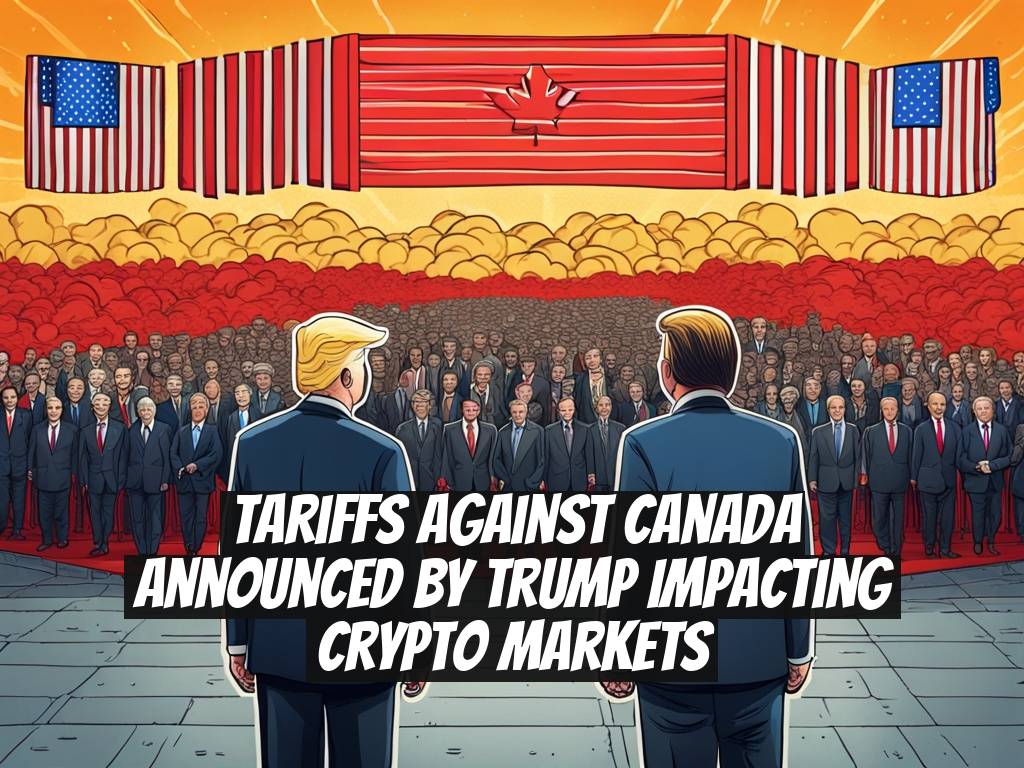
The announcement of a 50% tariff on steel and aluminum from Canada shouldn’t be underestimated. Just imagine waking up to the news that the markets have started to plunge again because some tweet from a former president has set them off! It’s like the crypto market is one wild rollercoaster ride, and sometimes, I wonder if we’re strapped in for a thrill or a disaster.
This isn’t just about metals and trade; when these kinds of tariffs get imposed, they trickle down and create a sense of instability across the entire economy. The crypto world thrives on speculation, and tariffs can incite a bearish outlook. Prices can drop faster than you can say “decentralized finance"! We can already see that the market was wobbling before the announcements, with Bitcoin and other cryptos feeling the impact.
What’s super frustrating is that these uncertainties can lead to higher liquidations. I mean, who wants to see their portfolio shrinking with a single click of a button? It’s genuinely a pain in the neck.
? Global Reactions and Market Dynamics
We’ve seen this kind of tit-for-tat reaction before. When the U.S. slapped tariffs on China, the latter retaliated, leading to chaos. Now, Canada has done the same. It’s like we’re stuck in a never-ending cycle of heated exchanges. I hear both sides-Trump’s hard-line stance and Canada’s pushback-and it makes for a combustible mix that only fuels the fire of uncertainty.
Now, it’s essential to pay attention to how these dynamics affect crypto. Global markets are interconnected; if the U.S. experiences economic hardship, we might feel the ripple effects on crypto pricing. Instability in one part of the economy can easily extend to another.
? Preparing for Possible Market Fallout

Given the current climate, here are a few practical tips to help you navigate these choppy waters:
- Stay Informed: Keep an eye on news about tariffs and economic indicators. Knowledge is power in this game.
- Have a Strategy: Whether you’re holding long or planning to day trade, don’t act rashly based on fear. Create a plan to manage any potential losses.
- Diversify: If things get really tough, diversifying your portfolio across various assets (including stablecoins) can help mitigate risk.
- Use Stop-Loss Orders: If you’re trading, using stop-loss orders can help prevent massive losses when volatility strikes.
? A Personal Reflection
I can’t help but feel a sense of collective anxiety. We are all in this together. I often catch myself scrolling through Twitter, checking for updates on tariffs, and with every notification, my heart skips a beat. Are we facing a full-blown recession? It’s a valid question, and one that weighs heavily on any investor’s mind right now.
Yet, amidst the turmoil, I remind myself that every market has its cycles. This is a turbulent time, but it doesn’t mean the world of crypto is over. It’s just another challenge, one that we’ve proven time and again we can face.
? The Bigger Picture: What Lies Ahead?
So, to wrap up, as we stand on this precipice of uncertainty with tariffs hanging over us, it’s crucial to remember that while markets can be influenced by short-term chaos, they also often rebound. Investors have to adapt, learn, and evolve. After all, isn’t that the spirit of cryptocurrency?
In the end, do these tariffs signal a looming recession, or are they just another chapter in the complex dance of international relations? The answer may not be clear today, but as always, the only constant in crypto is change. What do you think will happen next?