What’s Cooking in Crypto Regulation? ?
Ah, the ever-evolving world of cryptocurrency! It’s like a wild roller coaster, isn’t it? One day it’s soaring to remarkable heights, and the next, it’s navigating through regulatory hurdles. As a young crypto analyst, I’ve been keeping an eye on the unique dynamics shaping this market, especially with the recent regulatory developments in the U.S. and the U.K. Not only are these events significant for the market, but they also impact the way investors like you view and engage with crypto assets.
So, what does all this mean? Let’s break it down into chewable bites while also reflecting on the emotional and practical aspects of these developments. I mean, we are all in it for the financial rewards, but who doesn’t want to feel a bit more secure and informed along the way?
Key Takeaways:
- Regulators are opening new channels to hear from the crypto community.
- Public forums are and will reshape enforcement methods significantly.
- Lawmakers are pushing for clearer guidelines on stablecoins and digital assets.
- Internal debates reveal changing priorities in oversight, meaning potential shifts in how rules are enforced.
- Global tax proposals could have a tangible impact on market behaviour.
Subscribe to our Social Media for Exclusive Crypto News and Insights 24/7!
### The SEC Gets Interactive ?
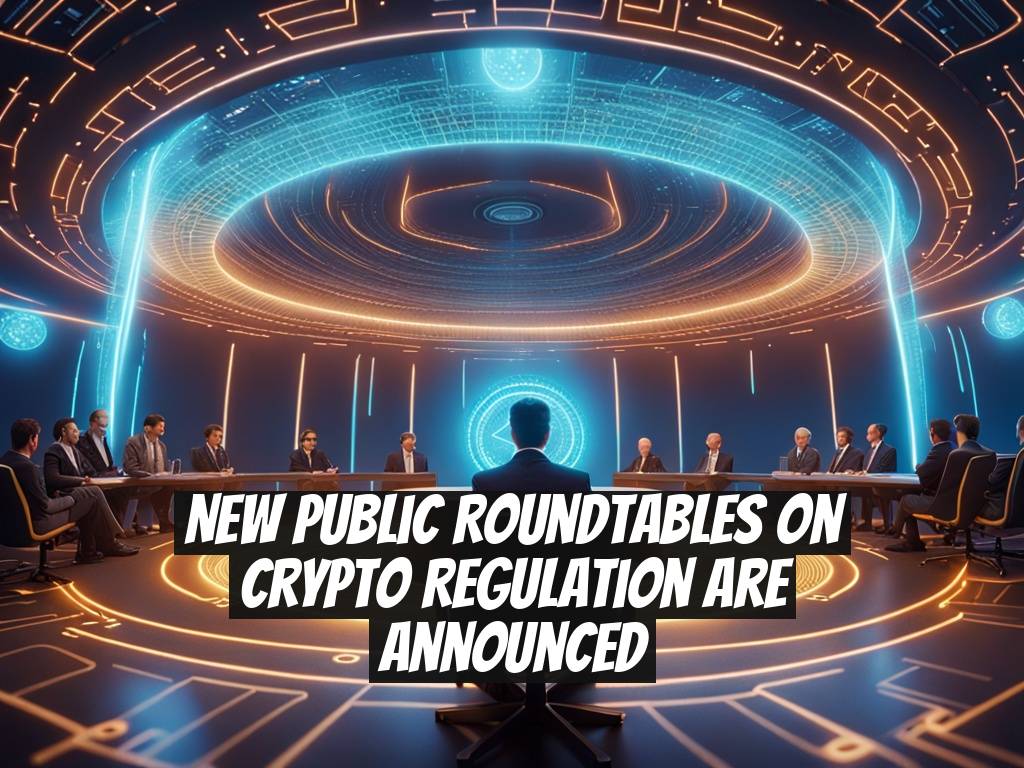
First up, we’ve got the SEC diving into the public dialogue with plans for additional crypto roundtables in Washington D.C. this spring. At first glance, you might think, “Oh great, more talk and less action,” but bear with me here. This is a signal that the regulators are starting to take a more inclusive approach. They’re not merely throwing down the enforcement hammer; they actually want our opinions, which is quite refreshing!
At last, the SEC has taken a step back to gather insights from industry players like you and me. This newfound willingness to engage reflects criticism they’ve received for leaning too hard on enforcement without providing solid compliance pathways. So, as a potential investor, this might be an opportunity to voice your opinions and possibly contribute to guiding the future of crypto regulations in alignment with market needs.
### The Shift in Compliance Focus ?️
They’ve also kicked off a new initiative called Crypto 2.0 which aims to enhance compliance, especially targeting both on-chain and off-chain digital transactions. Think of it as the SEC going high-tech. They’re working on the Digital Asset Reporting and Tracking System (DART) to keep tabs on transactions across various platforms. This isn’t just about making life difficult for crypto enthusiasts; it’s about protecting investors and improving transparency. Can I get a cheer for that? ?
### Stability Under the Spotlight ?
Then there’s the introduction of the STABLE Act, which is intended to create clearer regulations around stablecoins. In a world where stablecoins are pivotal for payments and transactions, having a solid framework makes sense, right? It’s a bit like the old saying, “A house built on a solid foundation can weather any storm.”
For investors, clearer guidelines mean less uncertainty. It reduces risk, increases trust in digital currencies, and ultimately encourages more participation in this market. It’s a win-win if you ask me.
### Ripple’s Settlement: A Sign of Changing Winds? ️
Now let’s talk about Ripple. They’ve settled with the SEC for $50 million after a prolonged legal tussle. Initially facing a hefty fine of $125 million, it looks like Ripple struck a deal that the SEC seems content with too. If you pit that against the backdrop of a perceived division within the SEC, one might argue this is a hint at a more lenient approach coming down the pipe.
As a budding investor, watching how these high-profile cases resolve can give you insights into how regulatory agencies might act in the future. Will they take the “more reasonable” path? We certainly hope so!
### The UK’s Stance on Crypto Transactions ?
Crossing over the pond, in the U.K., a proposal has surfaced for implementing a stamp duty on crypto transactions. This may not sound immediately appealing-who likes more taxes, right? But let’s flip the thinking. If this regulation falls into place, it could eventually shape a more robust system where cryptocurrencies are treated similarly to traditional assets.
It’s an intriguing idea, as it could potentially guide retail investors back toward stocks and shares, which could lead to a more stable market overall. For investors, this could mean adjustments in strategy but presents a clear picture of the government’s intent to regulate whilst keeping up with modern investment trends.
### Wrap-Up Thoughts ?
Right, so what’s the overall takeaway here? The regulatory landscape is shifting, and it is primarily steering toward a more engaging, transparent, and protective framework for crypto investors. We are staring at a mix of challenges and opportunities ahead.
Are you worried about how these new regulations will ask us to play the game differently? Or do you see this as a pathway to a more established and stable future for your investments? I’d love to hear your thoughts!
After all, navigating through this intricate maze of regulations and market dynamics, it’s crucial to stay informed, be adaptive, and maybe sprinkle in a bit of patience. Remember, the best journeys often come with their share of bumps along the way!