?? Making Crypto Waves: The Future of Bitcoin in America ??
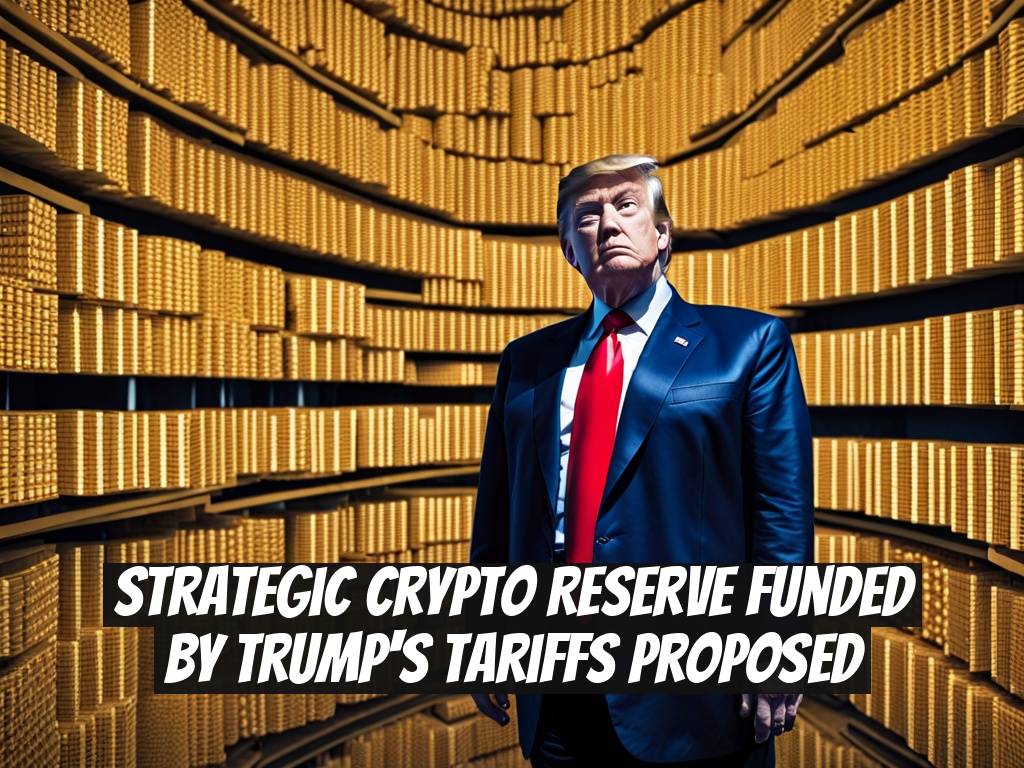
Hey there, fellow crypto enthusiasts! I’ve got some thoughts brewing in my mind after diving into a recent chat between Bo Hines, the executive director of Donald Trump’s digital advisory board, and Anthony Pompliano. They discussed some pretty weighty ideas about America’s potential cryptocurrency strategy, especially regarding the concept of a ‘strategic crypto reserve’ funded by tariffs. Sounds wild, right? Let’s break it down and see what it means for the crypto market.
Key Takeaways:
- Strategic Crypto Reserve: Hines proposes using tariff funds to acquire Bitcoin, aiming for the U.S. to become a crypto superpower.
- Tariff Dynamics: While this idea seems creative, the reality is that tariffs financially impact American consumers.
- Bitcoin as Digital Gold: There’s a push to view Bitcoin like gold in terms of accumulation during economically tough times.
- Changing Regulations: The Trump administration is looking to remove barriers for digital asset companies, which could reshape the market landscape.
- Skeptical Reception: Many view these claims as more PR than practical solutions, and Bitcoin’s current status isn’t yet comparable to gold.
Subscribe to our Social Media for Exclusive Crypto News and Insights 24/7!
?️ The Vision: Funding Bitcoin with Tariffs ?
Now, let’s get into the nitty-gritty of this strategic crypto reserve idea. Hines believes that the U.S. should stockpile Bitcoin just like we do with gold. Here’s where it gets interesting-the funding source proposed is tariffs collected on imports. Tariffs-that’s money generated from taxes on imported goods, right? And that’s where it gets a little foggy.
When you think about it, the ultimate burden of these tariffs is on American consumers-us, the everyday citizens. So, using our tax dollars to fund Bitcoin purchases could be kinda controversial. But Hines spins it as a clever way to accumulate value without hitting taxpayers directly.
Practical Tip: If you’re considering investing in Bitcoin, keep an eye on these government moves. Regulatory changes can significantly impact crypto prices, so staying informed is key.
? The Reality Check: Are Tariffs Viable? ?

Let’s be real: while the idea of funding a Bitcoin reserve via tariffs sounds cool, it won’t be as easy as it seems. The mechanics of tariffs mean that the average Joe is footing the bill. As nice as it is to think the government could be investing in Bitcoin without it costing us, that’s often not the case with financial policies.
Still, it’s good to know that the Trump administration is actively thinking outside the box regarding digital assets. They’re planning to make it easier for traditional financial institutions and crypto companies to work together. If this happens, we might see a major shift in how cryptocurrencies are integrated into our economy.
Personal Insight: I can’t help but feel a mix of excitement and skepticism. On one hand, if this plan falls into place, it could legitimize crypto more than ever on a national level. But on the other hand, the feasibility of actually pulling it off without a backlash from taxpayers and consumers? That’s a whole different ballgame.
? Bitcoin: The New Digital Gold? ?

Hines draws parallels between Bitcoin and gold, suggesting that everyday Americans should look at BTC as a sort of “digital gold.” He argues that how people traditionally stockpile gold during economic uncertainty should also apply to Bitcoin. That’s a pretty bold statement.
But there’s a catch: gold is a physical commodity that has been seen as a safe haven for centuries. Bitcoin, on the other hand, is quite new, and its value swings wildly based on market sentiment. It’s not yet considered a “risk-off” asset like gold. Hines’s comparison might inspire some people, but in the world of investments, Bitcoin is still finding its feet while gold has a long history of stability.
Practical Tip: If you’re weighing your investment options, consider diversifying. Perhaps hold some Bitcoin for potential highs but don’t ditch good old gold just yet. Maintaining a balanced portfolio could help ride out the volatility.
? Towards a Dynamic Future: Anti-Obstacles and Innovation ?

Now, here’s the kicker! Hines also emphasized that one of the Trump administration’s goals is to remove the hurdles that stop digital asset companies from operating smoothly with traditional banks. This could be a game-changer for crypto adoption in the U.S. If these companies can work with banks more easily, that’s gonna lead to greater innovation and adoption of crypto technology.
There’s also talk of improving regulations around stablecoins. If both the legislation and market structure for crypto are finalized soon, we could be looking at a much different landscape come August. The development in this space makes it an exciting time to be a crypto enthusiast.
Personal Insight: It’s hard to predict which way this will all swing, but we’re definitely living in an era of rapid change. The intersection of crypto and traditional finance might finally be on the horizon, and it’s something us investors need to pay attention to.
? The Emotional Side: What’s At Stake? ?
At the end of the day, the discussion around a strategic crypto reserve reflects broader sentiments about America’s economic resilience and identity in the digital age. As younger investors, this is our future they’re discussing. With the uncertainty in today’s financial landscape, the ability to adapt and innovate is crucial.
We haven’t even begun to explore the full potential that cryptocurrencies can offer. So, whether Hines’s ideas come to fruition or not, what we need is to stay engaged, informed, and ready to adapt. The conversation around crypto is heavily influenced by government actions, and paying attention could mean distinguishing yourself as a savvy investor.
? Final Thoughts: Are We Ready for Change? ?
So, what do you think? Is the idea of a strategic crypto reserve funded by tariffs just wild enough to work, or is it a pipe dream that America is chasing? What’s your take on the future of Bitcoin as we inch closer to its role as a "digital gold"? Share your thoughts!