Is the Future of Crypto Mining in Jeopardy? ?
Hey there! So, I reckon if you’re keen on the world of crypto, you’ve heard the whispers and grumblings echoing around the market lately. We’ve got residents in towns like Vilonia, Arkansas, saying "no thanks" to cryptocurrency mining operations. It’s quite a drama and, honestly, it might just be the canary in the coal mine - if you’ll forgive the pun. As a young bloke diving into the crypto analysis world, I think it’s crucial we unpack the implications of these local movements, the potential government crackdowns, and the broader market impacts.
Key Takeaways
- Local Resistance: Residents in places like Vilonia are actively rejecting crypto mines due to environmental concerns.
- Regulatory Movements: Arkansas lawmakers are tightening laws on mining operations.
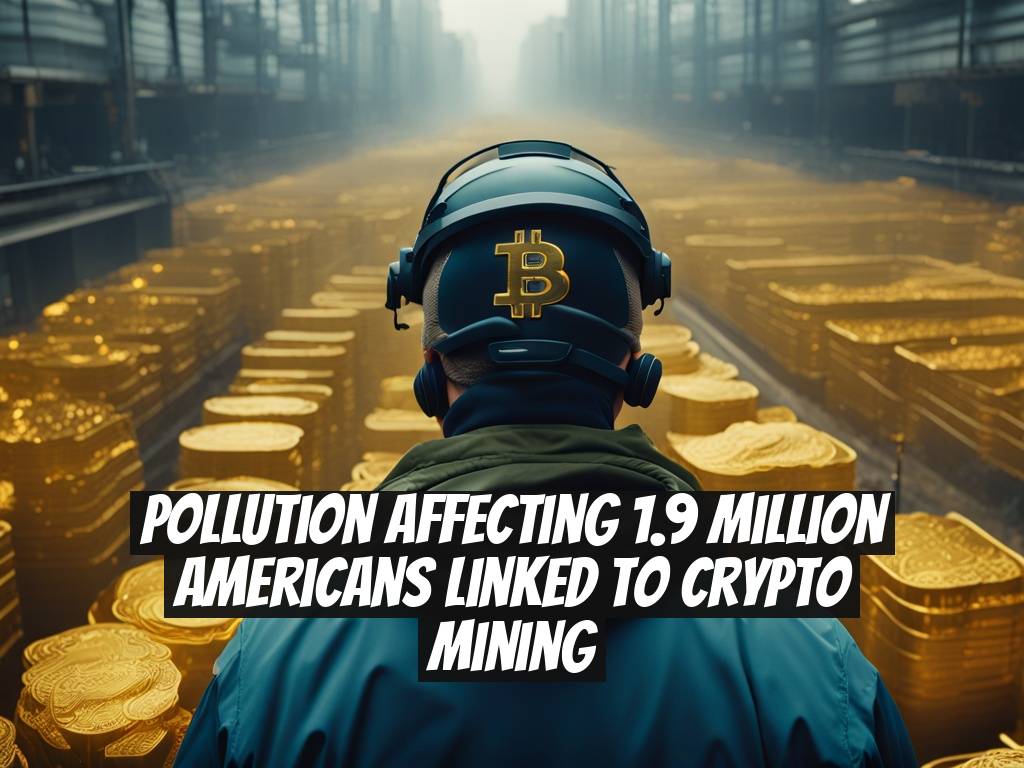
- Pollution Impact: A recent study showed that Bitcoin mining contributes significantly to air pollution, impacting over 1.9 million Americans.
- Tariff Threats: Looming tariffs on mining equipment could hinder the industry’s growth in the U.S.
- Environmental Justice: The shift may lead mining companies to target poorer, less-regulated areas.
Subscribe to our Social Media for Exclusive Crypto News and Insights 24/7!
Local Voices Against Crypto Mining ?
The folks over in Vilonia aren’t just being petty; they’re reacting to genuine concerns. Noise from mining facilities sounds like a never-ending hum of discomfort, kinda like a lawnmower that just won’t switch off. People value their peace and quiet, and it’s evident that the locals moved there for a tranquil lifestyle, not constant Bitcoin chatter.
Vilonia, with a shiny median household income of over $80,000, isn’t made up of folks that are desperate for jobs at any cost either. A report showed that in 2023, the planning commission turned down a permit for a mining facility, and this rejection isn’t just Vilonia’s little secret. It’s reflective of a statewide and potentially nationwide trend where communities are feeling the pressure to push back against industries that threaten their tranquility.
Regulatory Movements on the Rise ️

But it’s not just local noise complaints, mate. Arkansas lawmakers have sprung into action, tightening restrictions on mining operations across the board. They even attempted to ban mining facilities entirely within 30 miles of military bases. While that specific measure was shelved, it clearly indicates a growing wariness of the mining industry.
Across the U.S., towns are kicking up dust (to not-so-subtly pun on this) against what they see as noisy intrusions into their lives. Residents in Texas have taken mining companies to court alleging health impacts from the constant noise. This legal action led to a whole new set of regulations requiring mining facilities to disclose their locations and power demands within a day. This is massive, as it paves the path for future community actions aimed at protecting local environments.
Pollution - The Unseen Cost of Mining ?
Now onto the elephant in the room, air pollution. A fresh peer-reviewed study published in Nature Communications has come through with some staggering findings, exposing that Bitcoin mining is spewing fossil fuel-powered pollution across the U.S. According to this research, around 1.9 million Americans are breathing in higher levels of pollution thanks to mining facilities. That’s equivalent to a small country’s worth of people suffering from the unpleasantries of smog and poor air quality!
The study highlights that the top 34 mining facilities consumed 32.3 terawatt-hours of electricity-33% more than what Los Angeles requires! And here’s the kicker, 85% of that power stems from fossil fuels. This revelation is significant because it opens up discussions about regulatory gaps at the federal level. The suggestion for the EPA to enforce a “Good Neighbor” rule could put pressure on states to clean up their energy sourcing.
Tariff Troubles: A New Game of Tug-of-War ?
And if you thought it couldn’t get messier, brace yourself for this. The introduction of hefty tariffs on imported mining rigs could jeopardize U.S. firms. Under former President Trump’s tariffs, mining machines from certain countries could face up to a whopping 36% in tariffs. For now, there’s a temporary reprieve keeping duties at a lighter 10%, but firms are racing to import equipment before the deadline hits in July.
The mining-firm index has already taken a 12% nosedive since those tariffs were announced. It raises fundamental questions about the longevity and reliability of the U.S. Bitcoin mining industry if those costs skyrocket. This uncertainty could shatter the investments needed for domestic growth.
Practical Tips for Investors ?
If you’re considering dipping your toes into the crypto market right now, here are a few friendly tips to keep in mind:
- Stay Informed: Keep an eye on local regulations. Areas that look like perfect spots for mining could change rapidly based on community sentiment.
- Consider Environmental Impact: There’s a potential shift towards mining operations in less affluent regions. This could indicate a future where ethical considerations and environmental impact play a larger role in your investment decisions.
- Watch for Tariff Changes: Changes in policy regarding tariffs could have a significant influence on the profitability of mining operations. Be ready to adapt your strategy based on those developments.
- Diversify Your Portfolio: If you’re heavily invested in mining-centric stocks, it might be worth diversifying into other areas of crypto that aren’t so dependent on mining.
Final Thoughts ?
All this raising of voices against crypto mining could signify a pivotal moment for the future of cryptocurrency. It’s a crucial period where community concerns, environmental awareness, and regulatory scrutiny are mingling in unintended ways. It begs the question: as investors in this volatile market, how do we align our interests with a future that considers both profit and ethical responsibility? Would love to hear your thoughts!