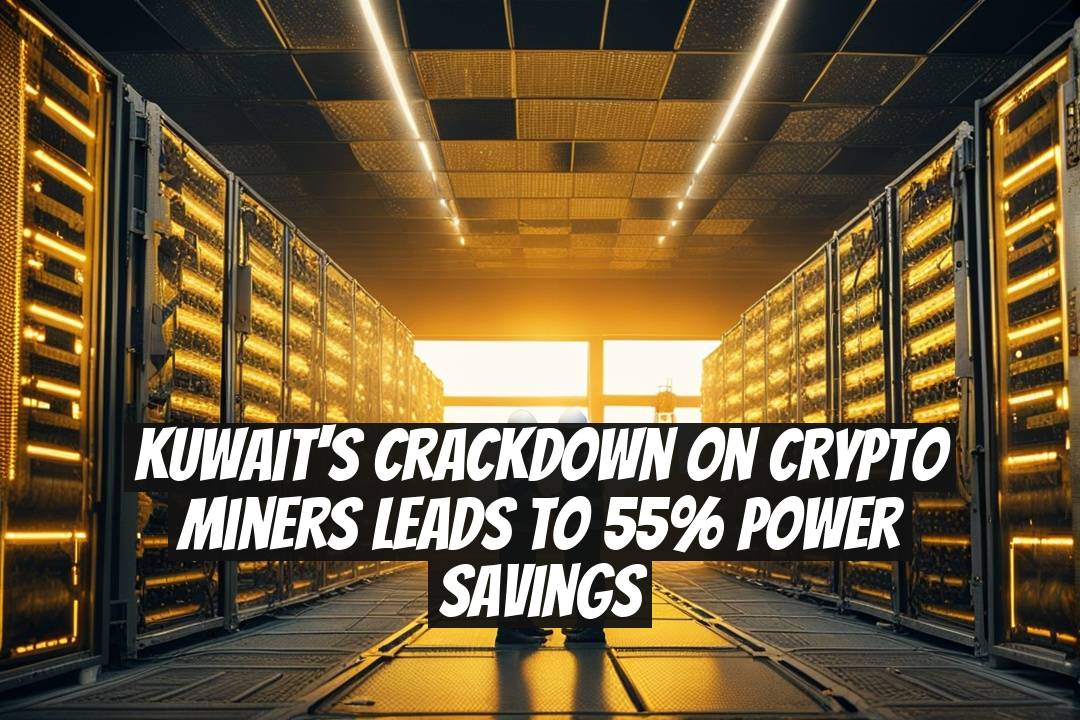
? Kuwait’s Crypto Crackdown: What’s Behind the Power Struggle? ?
Hey there! So, let’s dive into what’s happening with Kuwait’s recent actions against cryptocurrency mining. If you’re even slightly tuned into crypto, you know it’s been a rollercoaster. But this? This is a whole new twist!
Key Takeaways:
- Kuwait’s Crackdown: The government is targeting miners who allegedly worsen power shortages.
- Power Strain Factors: Population growth, urbanization, and aging infrastructure contribute to the crisis.
- Electricity Consumption: Some mines use up to 20 times more electricity than a typical household.
- Legal Loopholes: Mining operates in a gray area, despite crypto trading being banned.
- Initial Impact: A 55% drop in energy consumption in targeted areas shows early success for the crackdown.
Subscribe to our Social Media for Exclusive Crypto News and Insights 24/7!
Now, let’s unpack this.
? Power Grid Under Severe Strain
Kuwait isn’t just sprawled out with desert; they have a significant urban population, and it’s heating up. Summer’s nearing, and oil-rich Kuwait is facing a genuine power crisis. People rely on electricity for cooling down, businesses need it to function, and, well, things need to run smoothly.
The interior ministry is saying that mining is exploiting electric power and possibly leading to blackouts. Imagine sitting in your living room, and boom! No power because someone’s hoarding it for mining operations. It just doesn’t sit right, does it? ?
Imaging Mining Operations Exploiting Cheap Electricity
Some of these mining facilities are guzzling power like it’s going out of fashion. We’re talking about 20 times the average household consumption! With electric costs being low due to subsidies, it feels tempting for miners to set up shop-but this has had dire consequences for local residents and businesses that depend on steady electricity.
Just picture it: on a hot summer day, you’re chilling, and your AC goes out because of a miner? Yeah, that sounds like a nightmare. It’s a case of the miners taking advantage of cheap resources, and now the regular folks are paying the price, literally.
?️ Legal Gray Area Fuels Problem

Here’s a kicker: while Kuwait put the brakes on crypto trading, there’s not much legislation governing mining. That’s like having a “no running” sign in a hallway with no exit doors-what gives? It creates a legal limbo for miners. They’re like kids running wild because the adult’s not watching.
This isn’t just unique to Kuwait, either. Around the globe, we’re seeing the same trend where miners chase low electricity costs. Countries from Kosovo to Russia have begun to limit or crack down on mining to prevent power shortages.
? Early Results Indicate Strong Impact
The early reports say that following the crackdown, energy consumption in Al-Wafrah dropped by 55%. That’s massive! It’s almost as if the government pushed a big red button, and suddenly the lights of these mining hubs went off.
But wait, there’s more: while this might seem like a local issue, it has effects that ripple out globally. Although Kuwait is responsible for a tiny 0.05% of global bitcoin mining, in the context of their electrical grid, it’s enough to create strain. Just think! A relatively minor contributor can still have a significant impact on a smaller system.
? Practical Tips for Concerned Investors
Alright, my friends, if you’re considering investing in crypto, here are a few practical points:
- Stay Informed: Keep an eye on electricity usage trends in mining-heavy regions.
- Diversify Investments: Don’t put all your eggs in the crypto basket. Look at various sectors.
- Support Regulation: Advocate for clearer regulations in the crypto space. Sustainable growth benefits everyone.
- Know Your Coins: Some cryptocurrencies are more energy-efficient than others. Explore greener options!
? Facing the Future: Will We See More Crackdowns?
With Kuwait asking its citizens to conserve electricity as summer heats up, it begs the question: will we see more countries take similar actions? If countries like Kuwait start tightening the reins, where will that leave the future of crypto mining?
Just think about it… Does the promise of decentralized money stand a chance amid looming government regulations and energy crises? What’s your take?