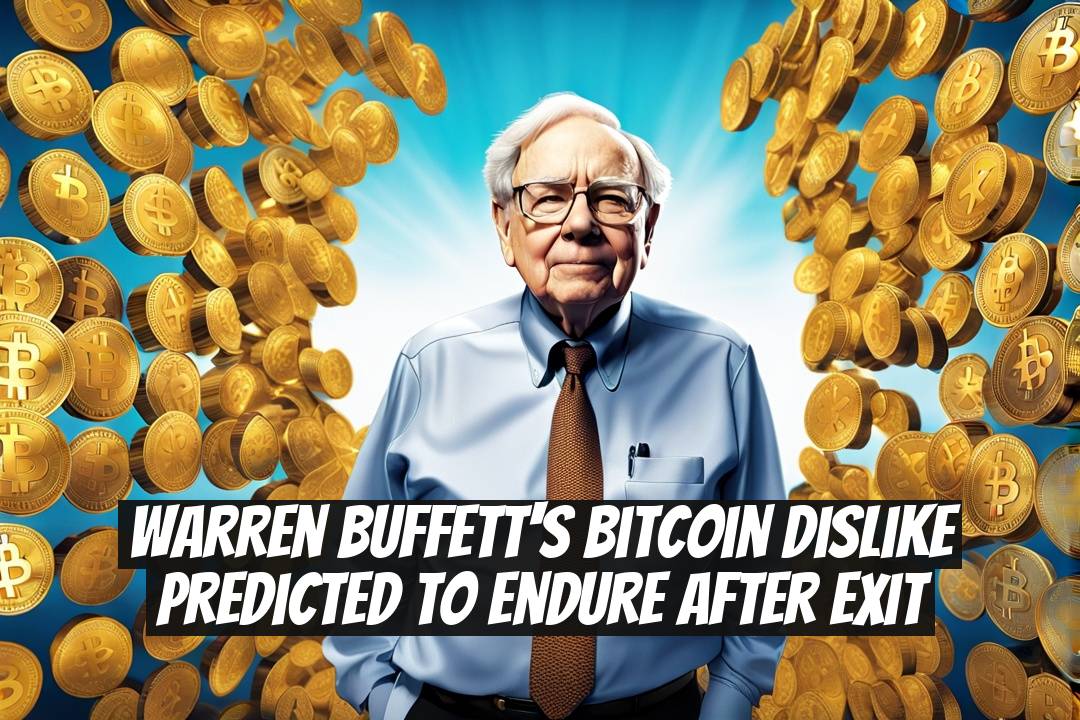
? What Warren Buffett’s Resignation Means for Crypto Investors
Hey there! So, let’s talk about something that’s been buzzing in the investment community-Warren Buffett stepping down as CEO of Berkshire Hathaway. First off, a little context: Buffett has been one of the staunchest critics of cryptocurrency, especially Bitcoin, labeling it as “rat poison squared.” Pretty harsh, right? But what does his resignation mean for the overall crypto market, especially for those of us who are keen on digital assets?
Key Takeaways:
- Warren Buffett resigns as CEO but remains the chairman.
- His cryptocurrency skepticism is likely to persist with the leadership transition.
- New CEO Greg Abel is expected to stay aligned with Buffett’s views.
- There’s skepticism about any major shift in Berkshire Hathaway’s stance on crypto.
Subscribe to our Social Media for Exclusive Crypto News and Insights 24/7!
? Why Does Buffett Matter?
Buffett’s influence in investment circles cannot be understated. He’s not just a billionaire; he’s a legend in the world of finance. His views have historically swayed countless investors, meaning his distaste for crypto can have ripple effects in the market. When he calls Bitcoin “rat poison,” it turns heads. We all know how vulnerable the crypto market can be-one negative comment can send prices tumbling.
For investors who have their sights set on digital assets, knowing that Buffett’s voice is still echoing in the halls of Berkshire is crucial. It gives insight into potential challenges that cryptocurrencies might face, especially from traditional investment powerhouses.
? The Legacy Continues
With Greg Abel taking over the day-to-day at Berkshire, you might think, “Hey, maybe there’s a chance for a new perspective!” But analysts like Meyer Shields are pretty skeptical about that. He pointed out that Abel is likely to continue the existing ethos established by Buffett and Charlie Munger, who recently passed away. In other words, don’t hold your breath waiting for a crypto-friendly pivot from Berkshire anytime soon.
? The Dollar and Diversification

One interesting tidbit is Buffett’s vague openness about diversifying into other currencies if the U.S. economy starts to wobble. This hints at the potential for other forms of currency to gain traction, but given his history, it’s very unlikely Bitcoin would be among them. Instead, this reinforces the idea that traditional currencies are being viewed as a safer bet in uncertain economic conditions.
? How Should Investors React?

Let’s be real: the crypto market thrives on speculation and optimism. So here’s the scoop-if you’re considering investing in cryptocurrencies, it’s wise to stay informed. Here are some practical tips:
- Research the Market: Knowledge is power. Use platforms and tools to keep an eye on market trends.
- Diversify Your Portfolio: Maybe you can balance investment in crypto with some traditional stocks to hedge against volatility.
- Stay Skeptical but Optimistic: Just because titans like Buffett are anti-crypto doesn’t mean you shouldn’t explore it. There’s a place for innovation, and crypto is here to stay.
? Personal Insights:
Here’s where my gut feeling kicks in. While Buffett’s views are noteworthy, the landscape of investing is inherently complex and evolving. Who would have thought just a few years ago that crypto would proliferate to this extent? Sure, many investors still see Bitcoin as a “gambling token,” but there’s undeniable merit in the technology behind cryptocurrencies, like blockchain. It’s not just a phase-it’s a fundamental shift in how we view value and transactions.
? Final Thoughts
So, does Buffett stepping down signal some kind of dramatic change for crypto? Probably not. Berkshire Hathaway’s past pipeline has been shaped by skepticism, and that vibe is likely to continue. But as we forge ahead in this ever-evolving world, it can be quite thrilling to consider what the future holds for crypto-not only in terms of its market performance but also how it may reshape our financial structures down the line.
As you ponder your next financial move, think about this: How do you balance tradition against innovation in your investment strategy? It’s a question worth exploring, especially as digital assets continue to carve out their niche.