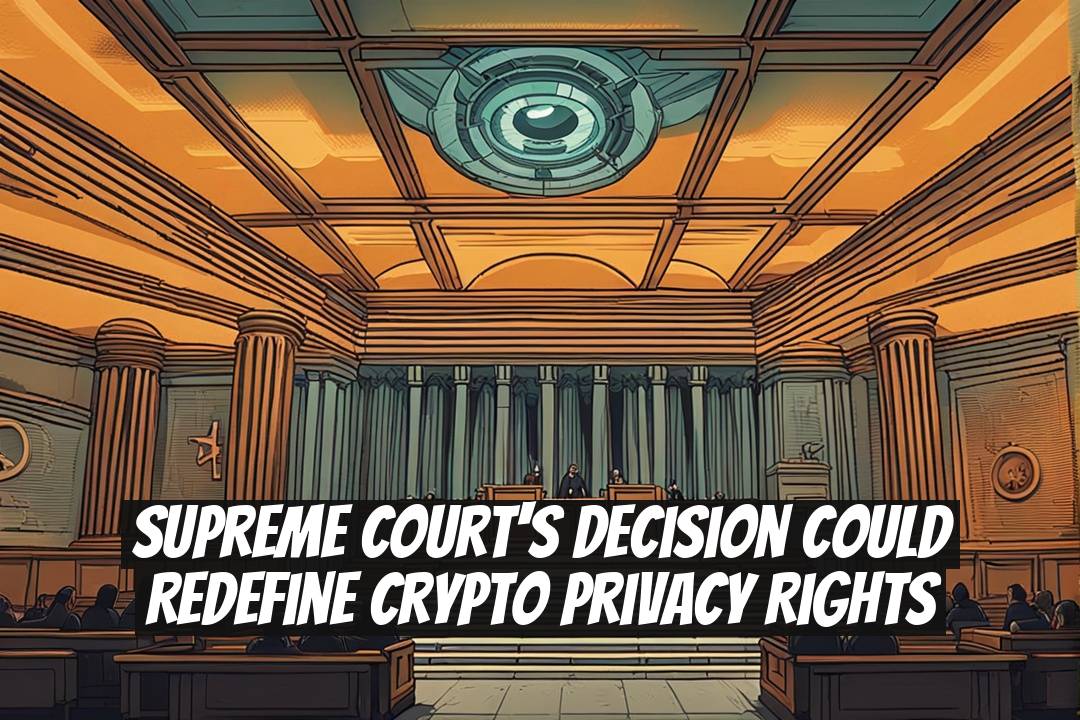
? The Crypto Privacy Dilemma: Are Your Transactions Safe?
Hey there! So, let’s have a chat about something pretty crucial happening in the crypto world right now-privacy. There’s a shake-up brewing with the IRS and a Coinbase user, James Harper, who’s taken a stand for his Fourth Amendment rights. Trust me, this isn’t just lawyer talk; it’s a matter that could profoundly impact us all in the crypto space.
Key Takeaways:
- The IRS is trying to access Coinbase users’ crypto data to combat tax evasion.
- Legal battles could redefine crypto users’ financial privacy rights.
- Broader implications for governmental access to user data in the digital age.
Subscribe to our Social Media for Exclusive Crypto News and Insights 24/7!
?️ IRS vs. Privacy: A Constitutional Showdown
So, here’s the deal: the IRS suspects that a lot of folks are not reporting their crypto earnings, and they’re coming down hard on platforms like Coinbase for that info. They issued a court-approved summons to gain access to transaction data specifically from high-volume users-hello, Harper!
But Harper isn’t going down without a fight. His argument hinges on the idea that the IRS is breaching his Fourth Amendment rights by accessing personal financial data without any suspicion that he’s done something wrong. It’s sort of like the IRS saying, “We’re going to check your diary just because we think some of your entries might be bad.” It’s wild, right?
This isn’t just some isolated incident; it’s a larger debate about how far the government can reach into our digital wallets. Can they snoop around whenever they feel like it? That question is what makes this case a real head-turner in legal circles and for all of us interested in crypto.
? What Happens If the IRS Wins?

Now, imagine if the Supreme Court backs the IRS. That could open floodgates for governmental snooping into our transactions. If the courts decide that crypto transactions aren’t protected under the same privacy laws that secure our traditional bank records, it would be a pretty big deal.
Here’s why:
Precedent for Access: A ruling could give the green light for authorities to go through more users’ data without suspicion. Think about it-could they start looking at your purchase history, your wallet transactions, and your investment decisions just because they suspect there might be tax issues?
- Privacy is Worth it: If you’re an average investor just trying to grow your savings, this news could feel like a punch to the gut. The crypto world, as decentralized and private as it is, could become as transparent as grandma’s old-fashioned ledger book!
? The Government’s Stance: No Privacy Over Third-Party Records

On the flip side, the government argues that Harper willingly shared his information when he used Coinbase. They see it as a case of “you gave over your data; you can’t expect privacy.” This is rooted in past legal cases where financial data held by third parties-like banks-didn’t get the same protections we have for our personal belongings.
Legal analysts are already pointing to cases like U.S. v. Miller. If this holds, then we’ve got ourselves an interesting, albeit somewhat scary, situation.
? The Bigger Picture: Financial Privacy in Crypto

If lower courts have already leaned toward the IRS, the upcoming Supreme Court decision could solidify the view that financial records on crypto platforms are mere business data. So, if you’re like me and care about keeping your transactions on the low, this could feel a bit unsettling.
The consequences aren’t just about what happens to Harper; they could ripple throughout the entire crypto community. Millions of users could lose that comforting veil of privacy every time they click "buy."
? What Can Investors Do?
While it might feel daunting, there are a few practical steps you can take if you’re worried about privacy:
Educate Yourself: Keep an eye on legislation around financial privacy. Knowledge is power, and understanding your rights can help you navigate any changes.
Choose Your Exchanges Wisely: There are various platforms out there that prioritize user privacy. Find ones that align with your values around data security.
Use Privacy Coins: If privacy is your main concern, explore privacy-focused cryptocurrencies. They’re designed to keep your transactions discreet.
- Stay Informed: Follow legal news and developments in the crypto world. The more you know, the better equipped you’ll be.
? Final Thoughts
As we sit on this precipice of change, we might find ourselves asking: what exactly does it mean to have financial privacy in the digital age? The conversation around digital privacy isn’t just about tech-it’s about our rights, our freedoms, and how we protect them in a world that’s becoming more connected and monitored every day.
This case is like standing at the crossroads for crypto users across the nation. Will we have the rights to our data, or will we be at the mercy of the digital authorities? As this saga unfolds, it’s a moment to reflect and get involved. What are your thoughts on this? Are you ready for the potential changes ahead in our beloved crypto ecosystem?