? Can Trust Ever Be Rebuilt in the Crypto World? Let’s Dive In!
There’s much to chew over in the recent political drama in the Czech Republic, and it’s illuminating for the crypto realm, no less! Picture this: a justice minister stepping down amid swirling controversies surrounding the handling of a hefty Bitcoin donation. It’s like watching a thriller unfold, but it’s very real, and it has implications far beyond the Czech borders.
Key Takeaways:
- The Ministry of Justice received a donation of 468 Bitcoin, sold for around €40 million ($43.2 million).
- Political fallout led to the resignation of the previous justice minister, Pavel Blažek.
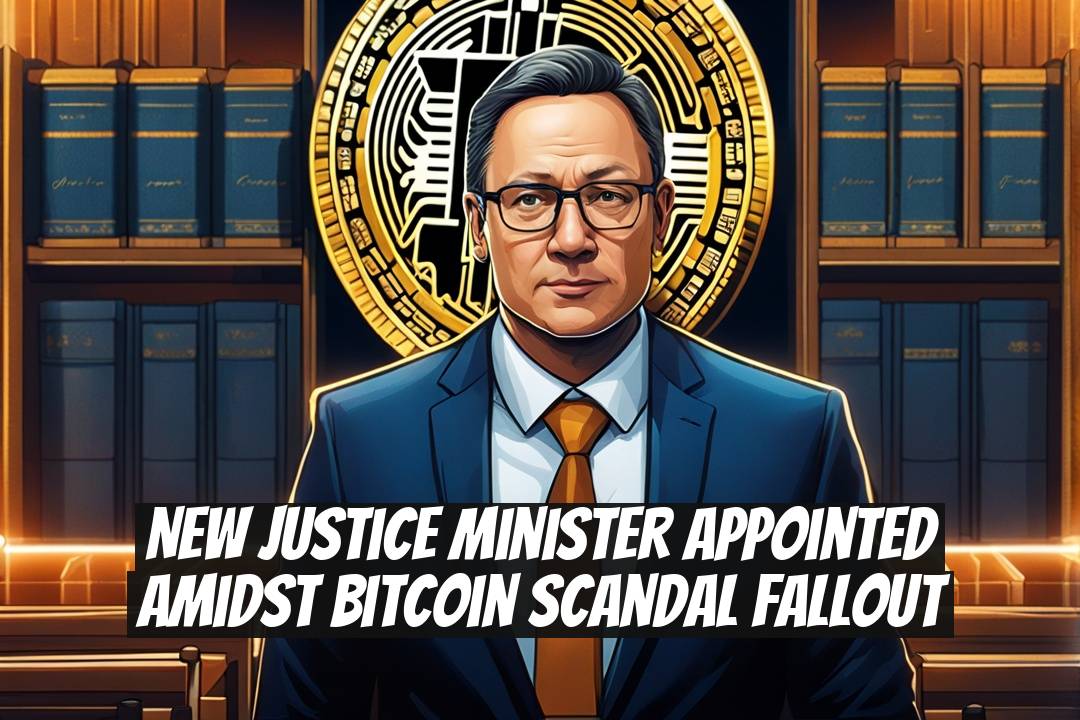
- Newly appointed Eva Decroix is now tasked with restoring public trust before crucial elections.
- This situation could influence voter sentiment and the stability of the ruling coalition.
Subscribe to our Social Media for Exclusive Crypto News and Insights 24/7!
? Bitcoin’s Unstable Reputation
Let’s get into the nitty-gritty. Blažek, the now-former justice minister, believed he was acting within legal bounds by accepting a sizable Bitcoin donation, which eventually found its way into government coffers. However, this act immediately raised eyebrows. Critics accused him of legitimizing potentially illicit assets-details matter, right?
When a public servant is associated with crypto through such controversial avenues, it raises questions about transparency, legality, and ethics. With Bitcoin’s notorious past linked to dark web dealings, it’s a tough sell to the public, who already have reservations about digital currencies.
? Data and Research: The Stakes are High
Political analysts are pointing fingers at this scandal as a potential game-changer in upcoming elections. With elections set for October, opposition parties are seizing the moment, labeling the ruling party as incompetent. Can you imagine vibrant debates turning into fiery exchanges about Bitcoin and government oversight?
A fascinating survey from Statista shows that a significant portion of the Czech populace is skeptical about cryptocurrencies due, in part, to their association with crime. So, when the government gets involved, it puts a major spotlight on the legitimacy of crypto in the eyes of the public.
️ Task Ahead for Decroix

Now, here comes Eva Decroix, stepping into the hot seat. She’s been tasked with initiating an independent audit of this Bitcoin donation, a critical move to restore shattered trust. In a political landscape so sensitive, her actions will be scrutinized closely.
This gives her a unique opportunity! If she can navigate the waters successfully, she might not just redeem her ministry’s image but possibly rebuild faith in the crypto ecosystem, too. That’s some heavyweight responsibility for someone stepping into the limelight!
Emotion in Politics and Crypto
What’s emotionally striking here is the ripple effect. This situation isn’t just about one political figure; it’s about public trust, accountability, and the perception of cryptocurrencies at large. People want honest governance. They want to feel that when they hear about Bitcoin, it’s not a tale of scandal but rather innovation.
Seeing how quickly a single event can sway public opinion gives the crypto community a lot to think about. Transparency isn’t just a buzzword; it’s a necessity.
? Practical Tips for Investors
- Stay Informed: Keeping tabs on political events can help you see how regulations could affect the crypto market.
- Transparency Matters: Invest in projects that emphasize compliance and transparency; they’re more likely to stand the test of time.
- Join Discussions: Participate in forums or communities to gauge sentiment. Understanding public opinion can offer valuable insights for your investment strategy.
- Diversify: Don’t just put your money in one basket; think of different assets to mitigate risk.
? Final Thoughts
As we look forward to elections and the future of crypto, it begs the question-can we truly rebuild trust in the regulatory framework surrounding digital assets? The answer is likely tied to how transparency is handled, not just in the Czech Republic but globally.
How do you think political landscapes will continue to shape the perception and regulation of cryptocurrencies in the future? Let’s keep that dialogue flowing!