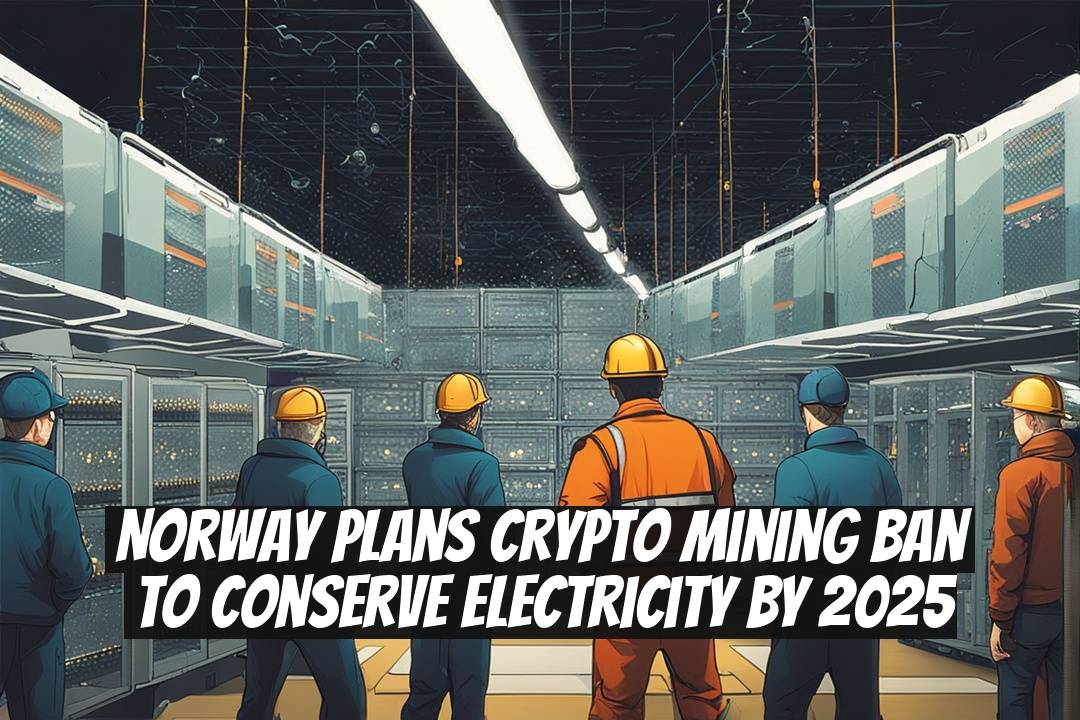
Could Norway’s Crypto Mining Ban Spark a New Energy Revolution? ?
Imagine cozy winter nights in Norway, where the stunning northern lights dance across the sky, but beneath the calm serenity, a fierce battle over electricity is raging. Crypto mining, known for its enormous energy appetite, has long thrived in the country thanks to abundant hydropower. But come 2025, Norway plans to put the brakes on new crypto mining operations to conserve electricity. What does this mean for the global crypto market - and for those crypto enthusiasts dreaming of mining fortunes? Let’s unpack this detailed story.
Key Takeaways
- Norway will temporarily ban the establishment of new crypto mining centers starting autumn 2025 to conserve electricity for more productive industries.
- Existing mining facilities will not be affected, but new power-heavy data centers will be blocked.
- The government is motivated by energy conservation, low economic return from crypto mining in terms of jobs, and local public concerns.
- This ban could trigger a relocation of mining operations globally, impacting hash rates and mining difficulty.
- Sustainable crypto mining practices like heat recycling may become more important in Norway’s evolving landscape.
Subscribe to our Social Media for Exclusive Crypto News and Insights 24/7!
? Norway’s Bold Energy Move: The Crypto Mining Ban Explained
Starting autumn 2025, Norway plans to impose a temporary ban on all new cryptocurrency mining operations that are power-intensive[1][2]. This isn’t a surprise given the energy crunch and increasing demand for sustainable power use in the country. Norway’s crypto miners have enjoyed cheap and clean hydropower for years, which pushed the region into the global top ten for mining activity[5]. But the surge in crypto mining prompted concerns about excessive electricity consumption that could undermine Norway’s green energy transition goals[3].
The Norwegian government, headed by Minister Karianne Tung, emphasized that crypto mining consumes “very power-intensive” electricity but delivers little in jobs or local economic benefits[4][5]. The ban only halts new mining centers; existing operations will continue, but there will be greater scrutiny on energy use and environmental impact.
Norway’s decision reflects a need to prioritize electricity for sectors that contribute directly to society and the economy, such as healthcare, industry, and household use. It’s about managing resources carefully in a world where energy security is increasingly crucial, especially as global climate goals tighten.
️ What Does This Mean for the Crypto Market? An Analyst’s Take
This move by Norway will definitely send ripples through the crypto mining ecosystem. Norway is a key player because it offers cheap, renewable energy, which is a goldmine (literally and figuratively) for miners looking to lower costs and reduce their carbon footprint.
- Shift in Mining Geography: Miners who wanted to expand in Norway will have to reconsider their strategies. We can expect a migration toward other countries with favorable policies and cheaper electricity, like Iceland, Texas in the USA (with its surplus wind and solar power), and parts of Central Asia[4].
- Mining Difficulty and Hash Rate: As mining rigs relocate or idle, the overall network hash rate might fluctuate. This can temporarily reduce Bitcoin’s mining difficulty, potentially easing the mining process for others until operators stabilize in new regions.
- Sustainable Innovation Gains Traction: Norway’s ban could push miners globally to innovate more aggressively with energy-efficient tech, such as heat recycling systems already adopted by some Norwegian miners. The ban highlights the importance of balancing crypto activities with environmental impact-something all miners should consider seriously[5].
? Norway’s Energy Quandary: Balancing Mining and Sustainability

Norway’s situation shines a spotlight on the real cost of crypto mining. While the process secures decentralized finance and offers huge economic potentials, it also drains enormous amounts of electricity. Norway’s vast hydropower supply made mining attractive, but even renewable energy has limits when competing with other vital uses.
Local communities have expressed concerns-like noise pollution and rising electricity bills linked to mining operations shutting down in Hadsel municipality, where a mine constituted about 20% of the local power company’s revenue[5]. This illustrates the complex interplay between the crypto industry, local economies, and residents’ quality of life.
?️ Practical Tips for Investors and Miners Navigating Norway’s Ban

If you’re a crypto investor or miner eyeing Norway or currently operating there, here’s how you might navigate this curveball:
- Assess Current Investments: If you have existing mining rigs in Norway, stay updated on government regulations and explore energy optimization technologies to reduce consumption and public backlash.
- Explore Alternative Locations: Countries with abundant renewable energy and less restrictive policies might become your next mining hotspot. Research emerging markets that balance crypto growth and sustainable energy.
- Invest in Green Mining Technology: Consider investing in or pivoting toward mining solutions that exploit byproduct heat recovery or use less power-intensive consensus mechanisms like proof of stake.
- Engage Locally: If expanding in Norway, engage with local communities to address concerns about noise and energy use proactively.
- Stay Ahead of Regulation: Governments worldwide are increasingly scrutinizing crypto’s energy footprint. Keeping your finger on the pulse of policy trends will ensure you’re never caught off guard.
? Personal Insights: What Norway’s Ban Tells Us About Crypto’s Future
This story from Norway feels like a wake-up call. Crypto mining can’t just be about hashing power and profit margins; it needs to be thought of as part of a bigger picture involving sustainability and societal value. The days when miners could operate without factoring in environmental costs are numbered.
The ban also reflects a growing global trend: governments want to harness crypto innovation while avoiding the pitfalls of runaway resource consumption. Norway’s approach of suspending new mining centers, rather than shutting down existing ones, is a pragmatic balance between fostering innovation and managing resources.
If you’re new to crypto or an investor trying to understand what’s next - think beyond just the tokens’ price movements. The infrastructure and regulations behind the scenes will influence the industry’s longevity and ethical footprint.
? A Final Thought to Ponder
As we watch countries like Norway chart new courses in energy management and crypto regulation, here’s a question worth asking yourself:
How will the global crypto community evolve when the cost of power becomes the most valuable currency?
Related Key Phrases for Deep Dives
- Norway Plans Crypto Mining Ban to Conserve Electricity
- Crypto Mining Energy Consumption Norway
- Impact of Norway’s Crypto Mining Ban on Market
Sources
[1] https://cointelegraph.com/news/norway-government-crypto-mining-ban-energy[2] https://bitcoinmagazine.com/news/norway-plans-to-temporarily-ban-new-bitcoin-crypto-mining-centers-to-conserve-energy
[3] https://zycrypto.com/norway-places-temporary-ban-on-crypto-mining-data-centres-to-prioritise-productive-industries/
[4] https://www.ainvest.com/news/norway-halts-crypto-mining-centers-conserve-electricity-2506/
[5] https://cryptobriefing.com/norway-bitcoin-mining-restrictions/