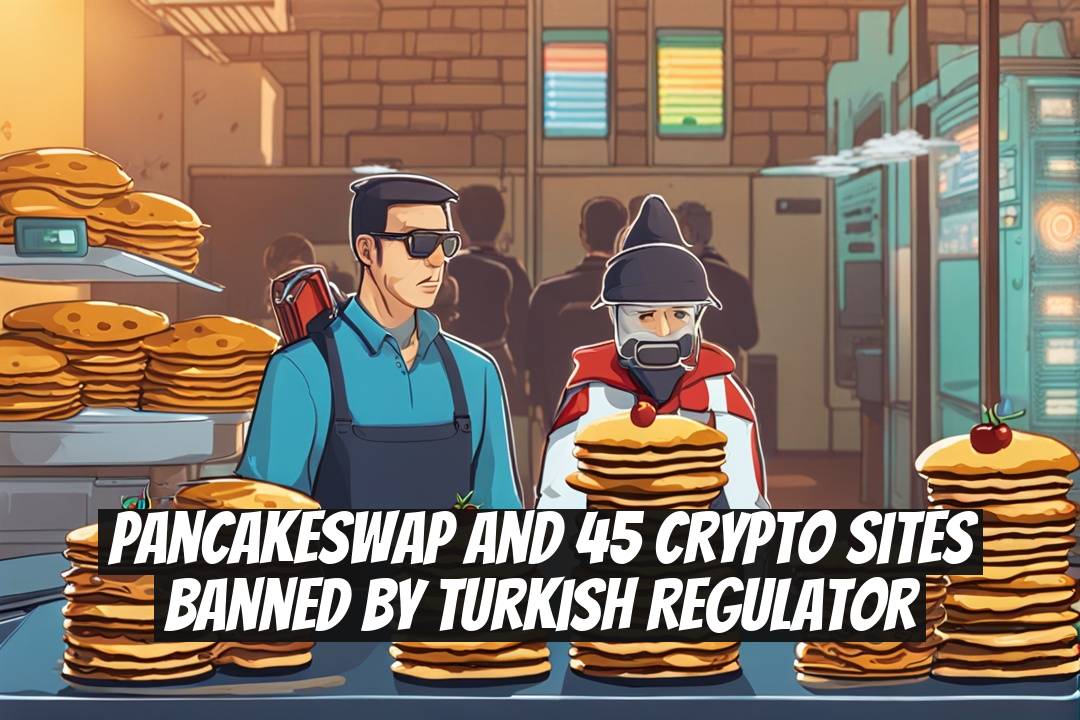
What does the Turkish ban of PancakeSwap and 45 other crypto sites mean for investors and the broader crypto market?
Hey there, crypto explorers! If you’ve been tracking the latest crypto regulation news, you probably heard that Turkey’s financial watchdog, the Capital Markets Board (CMB), recently blocked PancakeSwap and 45 other crypto platforms. In this article, we’ll dig deep into what this crackdown means for you, PancakeSwap fans, and the crypto world at large. From understanding PancakeSwap’s significance to decoding Turkey’s regulatory stance, we’ll cover it all-with some practical tips sprinkled in, and a friendly chat vibe.
So, buckle up as we unpack how this crackdown shakes up the decentralized finance (DeFi) landscape and what investors should watch next.
? Key Takeaways on PancakeSwap and Turkey’s Crypto Ban
Subscribe to our Social Media for Exclusive Crypto News and Insights 24/7!
- PancakeSwap is a top decentralized exchange (DEX) on Binance Smart Chain, facilitating token swaps without intermediaries.
- Turkey’s Capital Markets Board (CMB) blocked 46 crypto sites, including PancakeSwap, citing “unauthorized crypto services” under the country’s Capital Markets Law.
- This is the first time a decentralized exchange like PancakeSwap has been banned in Turkey.
- The ban may impact Turkish crypto users significantly but also signals increasing global regulatory pressure on DeFi platforms.
- Practical implications include limited access for Turkish traders and a call for clearer licensing frameworks for crypto in emerging markets.
? What Is PancakeSwap? Understanding The DEX Giant

Before diving into the ban, let’s remind ourselves why PancakeSwap is so important. Launched in 2020 on Binance Smart Chain (BSC), PancakeSwap is a decentralized exchange (DEX) where users swap cryptocurrencies peer-to-peer using liquidity pools instead of middlemen. Unlike traditional exchanges, PancakeSwap uses an automated market maker model, letting anyone trade BEP-20 tokens with lower fees compared to Ethereum-based platforms.
PancakeSwap offers more than just swapping-it’s a whole DeFi ecosystem:
- Liquidity provision: Users add tokens to pools, earning FLIP tokens and fees.
- Farming & staking: Stake CAKE tokens to earn SYROP tokens and other rewards.
- Lottery and NFT marketplace: Fun, community-driven features make it more than just finance.
- Multi-chain presence: Expanded beyond BSC to Ethereum, Polygon zkEVM, and more [1][3].
All this has made PancakeSwap one of the largest DEXs by trading volume-handling over $325 billion just in June 2025 alone-which is nothing short of impressive for a decentralized platform[2].
️ Why Did Turkey Ban PancakeSwap and 45 Other Sites? Unpacking The Regulatory Move
Turkey’s crackdown came as the CMB asserted full regulatory control over crypto services from March 2025. The ban covered websites deemed to be offering unauthorized crypto asset services, including PancakeSwap and other platforms like Cryptoradar[2][4].
Key points about the ban:
- The CMB said the sites failed to meet licensing requirements as per Turkey’s Capital Markets Law.
- The regulator has required Turkish users to furnish identification for transactions above roughly $425 since February, signaling tighter controls on transparency.
- PancakeSwap was targeted despite being decentralized and operating globally.
- Other countries like Kazakhstan, Venezuela, and Russia have conducted similar crackdowns citing registration or illicit activity concerns [2].
This move reflects Turkey’s intent to bring crypto activities under strict oversight to protect consumers and control financial risks, but it also spells challenges for decentralized platforms designed to be permissionless.
? What Does This Mean For The Crypto Market & Investors?
From a crypto analyst’s seat, here are some crucial reflections:
- Access disruption: Turkish traders are cut off from PancakeSwap, limiting decentralized trading options unless they circumvent blocks via VPNs (which can be risky and legally ambiguous).
- Increased uncertainty: The ban highlights the growing regulatory risks facing DeFi projects. Investors must stay alert to jurisdictional regulations affecting access and legality.
- DeFi vs. regulations: PancakeSwap illustrates the tension between DeFi’s open-access promise and states’ desire for oversight. Regulatory clarity is essential for sustained growth.
- Market ripple effect: Turkey’s ban might inspire similar actions elsewhere or push users toward centralized services that comply with regulations.
- Innovation challenge: DeFi platforms may adapt by enhancing compliance tools or focusing on markets with friendlier regulation.
To put it simply: If you are a crypto holder or trader in Turkey, this development might limit your choices-unless you pivot to regulated exchanges or alternative decentralized platforms that meet local rules.
? Practical Tips for PancakeSwap Users and Crypto Enthusiasts in Turkey
Whether you’re a PancakeSwap fan or just a curious investor, here’s what you can do next:
- Stay informed on regulations: Keep an eye on Turkish legal updates and CMB announcements to understand when or if banned platforms can return or comply.
- Evaluate alternative DEXs: Explore DeFi platforms operating on other chains or those licensed in Turkey.
- Use regulated exchanges for certain trades: For larger volumes or fiat on/off ramps, rely on exchanges compliant with local laws.
- Keep digital security tight: If exploring workarounds like VPNs, weigh legal and security risks carefully.
- Engage in community governance: PancakeSwap token holders (CAKE) can influence proposals-following these decisions could hint at how PancakeSwap will navigate global regulations.
-
? Personal Insights: PancakeSwap’s Future in A Regulatory World
As someone who watches DeFi trends closely, Turkey’s ban is a cautionary episode but not a death knell for PancakeSwap. It underscores a necessary dialogue between regulators and decentralized projects. PancakeSwap’s multi-chain expansion and strong user base suggest it will adapt to localized rules or innovate further to stay accessible.
For investors, this is a reminder that the crypto road is bumpy but full of opportunities. Regulatory clarity can unlock mainstream adoption, but abrupt shocks like these are reality checks for the ecosystem’s resilience.
In the end, PancakeSwap’s journey shows DeFi’s power but also its vulnerability in the global regulatory labyrinth.
So, crypto friends, how do you think decentralized exchanges like PancakeSwap should balance openness with growing demands for regulation? Could there be a middle ground that satisfies both innovation and legal safety?
Feel free to share your thoughts below!
PancakeSwap
45 Crypto Sites Banned by Turkish Regulator
Turkey Crypto Ban
Sources:
[1] https://3commas.io/blog/a-guide-to-pancakeswap
[2] https://www.ainvest.com/news/turkey-blocks-pancakeswap-45-crypto-sites-2507/
[3] https://coinbureau.com/review/pancakeswap-cake/
[4] https://www.tradingview.com/news/coinpedia:1ff1b05f7094b:0-turkey-blocks-46-crypto-sites-including-pancakeswap-amid-regulatory-crackdown/