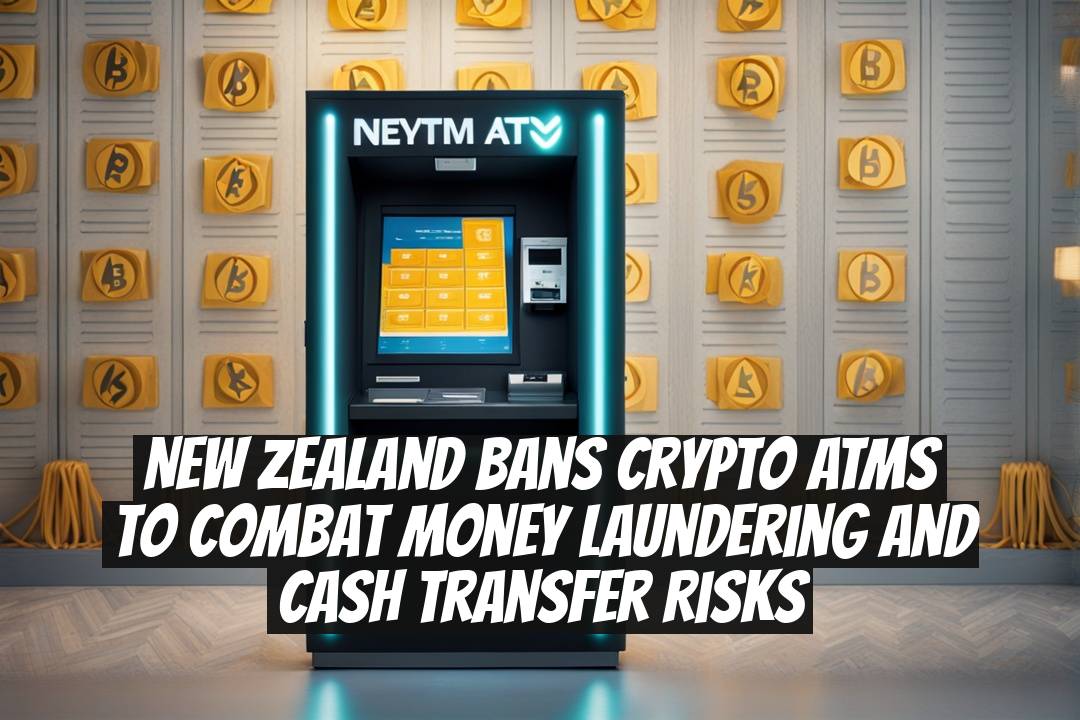
Why Did New Zealand Decide to Ban Crypto ATMs? ?
If you’ve been watching the crypto world, you might have spotted some big headlines recently: New Zealand has banned crypto ATMs nationwide in its latest move to combat money laundering and cash transfer risks. You might be wondering, "What’s behind this bold crackdown? And what does it mean for the crypto market and investors alike?" Pull up a chair and let me walk you through the ins and outs of this game-changing development.
Crypto ATMs - those convenient kiosks that let you buy or sell cryptocurrencies with cash instantly - are suddenly out of service across New Zealand. The government’s main concern? These machines have become a hotspot for illicit activities like money laundering and obscuring the financial trails of criminal enterprises. By banning over 220 of these ATMs and capping international cash transfers at $5,000, New Zealand is setting a strict tone on digital financial crime control[1][2][3].
Key Takeaways ?
Subscribe to our Social Media for Exclusive Crypto News and Insights 24/7!
- New Zealand banned all crypto ATMs nationwide to prevent money laundering and curb illicit financial transactions.
- Over 220 crypto kiosks have been removed, disrupting an easy way criminals convert cash into crypto anonymously.
- The government also imposed a $5,000 international cash transfer limit as part of broader anti-money laundering reforms.
- This move aligns with a global crackdown on crypto assets misuse and aims to protect the economy.
- Enforcement plans include expanded powers for monitoring and potentially new levies to fund AML/CFT (Anti-Money Laundering/Counter Financing of Terrorism) enforcement.
- Legitimate crypto businesses will face less red tape while criminals find it harder to slip through regulatory cracks.
? Breaking It Down: What’s Behind New Zealand’s Crypto ATM Ban?
At first glance, banning crypto ATMs may sound like a knee-jerk reaction to something trendy. But dig a bit deeper, and you’ll see a well-thought-out strategy designed to tackle a very real problem: money laundering through digital assets.
These ATMs were enabling criminals to quickly turn dirty cash into cryptocurrencies - which are notoriously hard to trace once transferred. For example, drug dealers, fraudsters, and other organized crime groups used the anonymity of these machines to dodge banking systems and law enforcement[1]. With no need for identity verification at these ATMs, offenders could offload illegal gains and transfer funds offshore with little risk of tracking.
By pulling the plug on crypto ATMs, New Zealand intends to choke off that financial escape route. It’s a direct hit on criminal networks exploiting digital currency’s borderless nature to hide illicit flows[2][3]. This approach fits into a broader governmental push to overhaul New Zealand’s AML/CFT system-making monitoring sharper while avoiding strangling legitimate crypto users with excessive rules.
? What Does This Mean for the Crypto Market?

This ban sends a significant ripple through New Zealand’s crypto ecosystem, and you can bet analysts and investors are crunching the numbers:
Short-term disruption: Crypto ATMs were a popular channel for entering and exiting digital assets, especially for users without easy access to traditional banking or online exchanges. The ban removes this convenient on-ramp, potentially slowing retail adoption in New Zealand[3][5].
Increased regulatory scrutiny: With the government granting expanded powers to the Financial Intelligence Unit (FIU), compliance requirements for crypto firms will tighten. While aimed at crime, more regulation often translates into operational hurdles and increased costs for crypto businesses[2].
- Potential positive effect: On the upside, stricter AML measures can increase overall trust in the crypto sector by weeding out bad actors. Legitimate users and investors may feel safer knowing strong controls are in place[3]. Plus, regulatory clarity can help businesses adapt and innovate confidently within the law’s framework.
In essence, New Zealand’s move pivots the market from a freer-for-all environment toward a more regulated, compliant future.
? As a Crypto Analyst, Here’s My Take:

Having studied market impacts internationally, I see this as a classic case of governments catching up to technology that outpaced regulations. The crypto ATM ban is a double-edged sword: it clamps down on illicit flows and strengthens overall financial security. Yet, it also risks alienating casual investors who valued ATMs for quick, tangible access to crypto.
Investors should view the ban neither as a death knell nor a green light. It’s a realistic step toward sustainable crypto ecosystems. Those who monitor regulatory trends, embrace compliance early, and seek reliable crypto infrastructure will likely benefit over the long term.
? Practical Tips for Crypto Enthusiasts and Investors in New Zealand:

Use regulated exchanges: Stick to crypto platforms compliant with New Zealand’s AML/CFT laws. They often have better safeguards and account protections.
Verify transaction methods: With ATMs gone, alternative options like bank transfers or licensed digital wallets will be the safest way to transact crypto.
Watch transaction limits: The $5,000 cap on international cash transfers means large crypto trades should be planned carefully to avoid regulatory issues.
Stay informed: Follow announcements from the Ministry of Justice and the Financial Intelligence Unit for updates on compliance requirements.
- Advocate for clarity: Engage with crypto associations or community groups to provide feedback to regulators, helping shape balanced rules that protect and promote adoption.
? Humor Break: Why Did the Cryptocurrency Cross the Road?
To avoid the crypto ATM! Well, not anymore - New Zealand’s making sure the road is closely monitored with this bold ban.
? Final Thoughts: What’s Next for Global Crypto Regulation?
New Zealand’s efforts join other countries cracking down on crypto ATMs and financial crimes. Germany seized $28 million from similar setups in 2024, and Australia plus some US states have tightened controls. The trend is clear: crypto regulators worldwide want safer, more transparent markets[3].
As an investor or crypto fan, the key question is: How can you best ride this regulatory wave without wiping out? Embracing compliance and focusing on long-term growth rather than quick wins will serve you well.
Now that New Zealand has taken this tough stance, do you think other countries will follow suit, or does this risk stifling innovation? What’s your next move in the evolving crypto landscape?
Explore more insights with these related reads:
New Zealand Bans Crypto ATMs
Money Laundering
Crypto Market Impact
Sources:
[1] https://www.ainvest.com/news/zealand-bans-crypto-atms-nationwide-curb-money-laundering-2507/
[2] https://coincentral.com/crypto-atms-banned-in-new-zealand-amid-anti-financial-crime-reforms/
[3] https://cryptoslate.com/new-zealand-to-ban-crypto-atms-in-aml-crackdown/
[4] https://www.atmmarketplace.com/news/new-zealand-aims-to-ban-banking-crypto-atms/
[5] https://www.cryptopolitan.com/crypto-atms-ban-new-zealand-new-policy/