
Will State Regulators’ Stand on Crypto Enforcement Shape the Future of Digital Assets? ?
Navigating the wild, often stormy seas of crypto regulation in the United States is no easy feat for investors and businesses alike. Recently, the U.S. state regulators have staunchly defended their enforcement authority over cryptocurrencies, even as vigorous debates swirl about federal jurisdiction. For anyone with skin in the crypto game-whether you’re a newbie investor or a seasoned trader-understanding this tug-of-war is crucial for anticipating market behavior and how compliance shapes your opportunities.
Let’s unpack what this defense by state regulators, amid competing federal controls, really means for the crypto market and why it should matter to you.
Key Takeaways ?
Subscribe to our Social Media for Exclusive Crypto News and Insights 24/7!
State regulators continue to assert their authority over cryptocurrency enforcement, pushing back against calls for exclusive federal control, aiming to protect local consumers and maintain oversight.
The federal government, led by agencies like the SEC, FinCEN, and OCC, is simultaneously advancing unified regulatory frameworks, which creates a complex, overlapping supervisory landscape.
This dual-layer regulation creates compliance challenges but may lead to more robust protections, investor confidence, and clearer industry norms over time.
Practical tips involve staying highly aware of both state and federal rules, prioritizing AML/KYC compliance, and consulting legal experts familiar with multi-jurisdictional crypto laws.
- Investors should see this as an evolving landscape that demands agility but also offers opportunities as regulatory clarity unfolds.
? What’s Driving States to Defend Crypto Enforcement Authority?
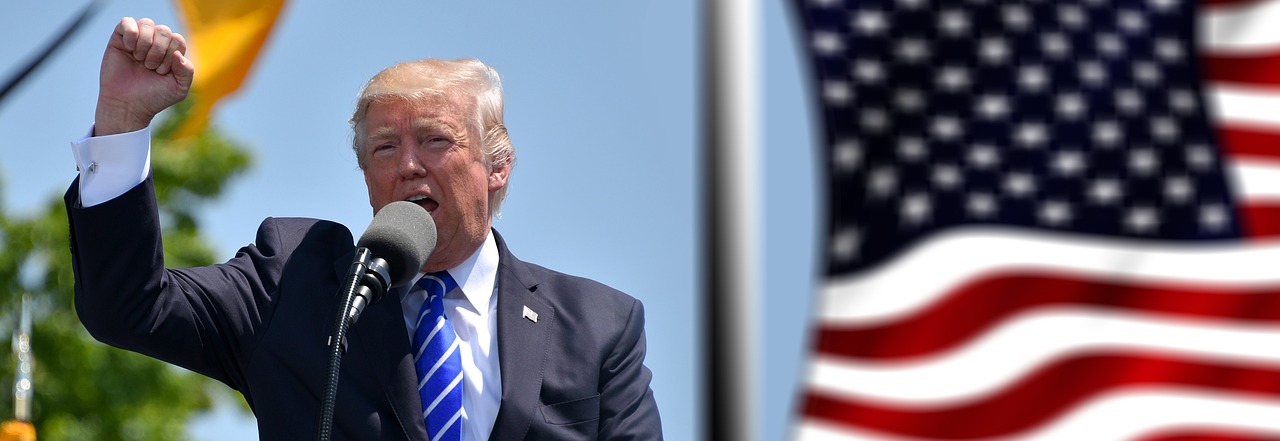
State financial regulators argue that their role is critical to ensuring consumer protection and market integrity, especially given the varying nature of crypto activities. While federal agencies like the SEC focus on securities laws and the OCC looks at the banking side, states have long-standing powers in money transmission and consumer finance that naturally cover many crypto businesses. For example, states require licensing for crypto exchanges and custodians operating within their borders, which means they directly enforce AML and KYC measures to prevent fraud and money laundering[1][4].
The pushback against federal assumption of full control comes partly from concern that a one-size-fits-all federal framework could overlook local nuances or slow enforcement action. Many states want to keep quick-response capabilities and maintain oversight that reflects their constituents’ needs.
? The Federal Debate: Who Should Regulate Crypto?

On the flip side, recent federal moves aim for regulatory cohesion. Under President Trump’s 2025 Executive Order, a task force was set up to review and harmonize digital asset regulations, including stablecoins. This Working Group, led by crypto expert David Sacks, is charged with recommending comprehensive federal regulation that could standardize crypto oversight and possibly reduce duplicative enforcement by states[2].
The OCC has also taken a more crypto-friendly stance recently, reaffirming that national banks and savings associations can engage in certain crypto activities without undergoing additional supervisory hurdles that were previously imposed[3]. These developments reflect a federal trend toward accommodating innovation while maintaining safety and soundness.
? What Does This Tug-of-War Mean for Crypto Businesses?
For crypto firms, the reality is navigating multiple masters-state and federal-that both demand strict compliance but from slightly different perspectives:
AML/KYC Compliance Is Non-Negotiable: FinCEN continues to cast a wide net, and state regulators are equally vigilant in enforcing anti-money laundering programs[1].
Licensing Requirements Multiply: Crypto businesses must juggle obtaining licenses at the state level (money transmission, custody) along with federal approvals, especially if dealing with securities tokens or derivatives[4].
- Operational Costs May Rise: Complying with overlapping rules boosts operational expenses but also signals credibility to markets and institutional partners.
While these layers might sound daunting, many experts argue this dual system serves as a safety net ensuring no gaps in enforcement that bad actors could exploit.
? Impact & Analysis: What Investors Should Watch For
As a crypto analyst, here’s how I read the current landscape and what I’d advise to investors:
Market Volatility Could Increase Short-Term: Regulatory uncertainty often stirs market jitters, causing price swings. However, consistent enforcement and clear roles between state and federal regulators can mitigate surprises in the medium term.
Investor Confidence Should Improve Eventually: Robust enforcement protects against scams and frauds that scare away retail investors. With both states and federal agencies actively overseeing, the crypto market can mature faster.
Innovation vs. Regulation Balance: Regulators’ focus on AML, KYC, and licensing ensures safer environments but can also slow down cutting-edge projects. Investors should weigh the trade-offs.
- Watch for States Leading with Stringent Rules: Certain states like New York remain crypto regulatory heavyweights. Presence in these states means stricter compliance but also potentially stronger market reputations.
? Practical Tips for Crypto Enthusiasts & Businesses
Stay Informed on Both Fronts: Follow updates from state regulatory bodies and federal agencies (SEC, FinCEN, OCC).
Invest in Compliance Expertise: Hiring or consulting with legal and compliance professionals familiar with state and federal crypto laws is crucial.
Prioritize AML/KYC Programs: Even token projects should adopt strict anti-money laundering controls to preempt sanctions or enforcement actions.
Monitor Federal Working Group Reports: The upcoming regulatory proposals may shape future requirements - keep an eye out for the 180-day report from the President’s Working Group on Digital Assets.
- Diversify Geographically Cautiously: Be mindful that rules differ by state; consider how operations or investments in multiple states impact your obligations.
? My Two Sats: What This Means Personally
From my vantage point, this defense of state-level authority isn’t about turf wars-it’s an insurance against regulatory gaps. States bring boots-on-the-ground scrutiny and responsive enforcement that complements federal oversight. For investors, this may feel like a patchwork quilt at times, but it’s designed to safeguard the very innovation we’re excited about.
Sure, complexity can intimidate, but it also signals a maturing market landscape. Crypto’s early days of wild west anarchy are fading, making room for institutional investors and broader acceptance.
To my fellow investors: embrace this evolving regulation and think of it as crypto’s “training wheels.” They might be a bit cumbersome, but they keep us upright as the market gains speed.
? What’s Your Take? Can this dual enforcement system be the foundation for a stronger, safer crypto market - or will it squeeze out smaller innovators? Share your thoughts and let’s keep this conversation rolling.
Explore more on:
Sources:






