
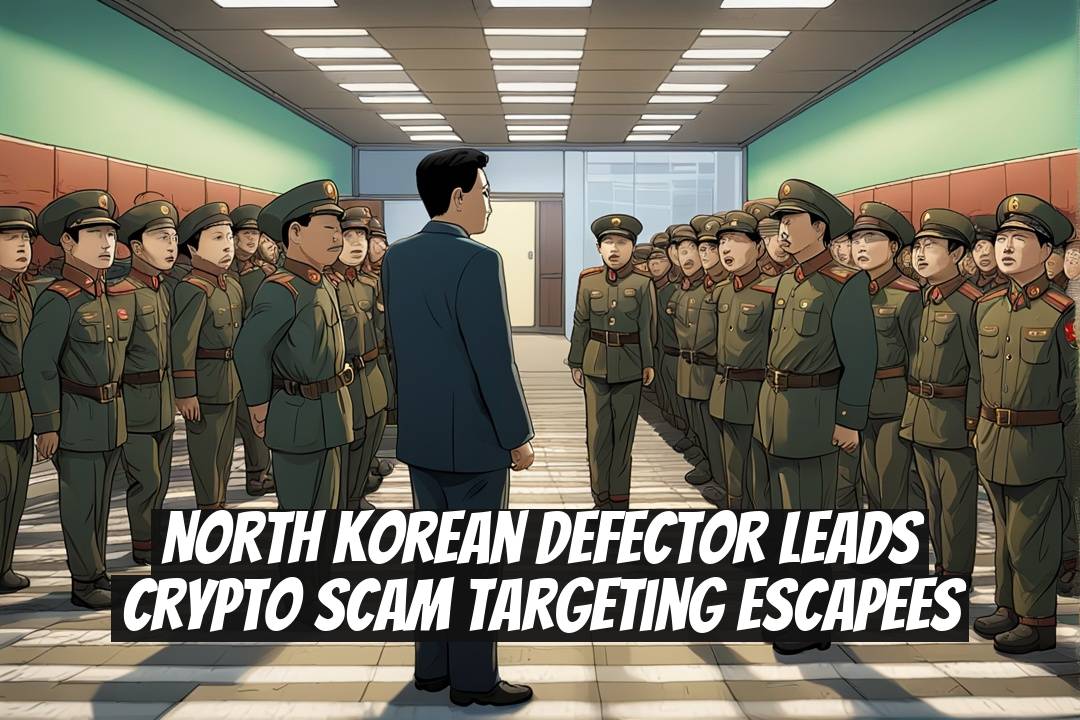
Can a Defector Turn Crypto Villain? Unpacking the Fallout of the North Korean Scam
When you hear about a North Korean defector leading a crypto scam targeting escapees, it feels like something straight out of a thriller. But this disturbing reality is shaking both the crypto market and communities personally affected by such schemes. Today, we’ll explore the intricate details behind this scam, what it means for investors, and how the crypto space can respond - all while sharing some hard-learned lessons.
Key Takeaways ?
- North Korean defectors and operatives have been involved in sophisticated crypto scams targeting vulnerable groups, including fellow defectors.
- The scam exploited fake identities and fraudulent documentation to infiltrate crypto businesses, stealing nearly $1 million in cryptocurrency.
- This incident underlines the growing cybersecurity risks faced by the crypto market and companies employing remote IT talent.
- Investors should exercise extreme diligence in vetting projects and teams, especially those with overseas or anonymous contributors.
- The scam reveals broader implications about how authoritarian regimes leverage crypto technologies for illicit funding.
Subscribe to our Social Media for Exclusive Crypto News and Insights 24/7!
?️️ Inside the Scam: How a North Korean Defector Exploited Crypto Escapees

Imagine hiring a promising Chief Technology Officer who seems like an ideal candidate-skilled, hard-working, living abroad-all while they’re secretly funneling stolen crypto back to a hostile regime. That’s exactly what happened when a North Korean defector, known publicly through indictments as Kim Kwang Jin and associates, orchestrated a complex fraud scheme targeting other defectors who looked to crypto for freedom and financial empowerment[1][5].
These operatives used fraudulent Malaysian IDs and fake identities to set themselves up as trusted insiders at blockchain companies in Atlanta and Serbia. Over time, Kim and his collaborators moved from small tasks to influential roles with access to wallets, resulting in the theft of more than $1 million worth of cryptocurrency[1][5].
What makes this story chilling isn’t only the amount stolen-although that’s significant-but the betrayal among vulnerable communities. Escapees from North Korea, often survivors of hardship, turned to crypto projects as a pathway to independence but instead fell victim to manipulation from within their ranks.
? What This Means for the Crypto Market: A Crypto Analyst’s Perspective

From the lens of a crypto analyst, this scam casts a long shadow on several fronts:
Trust and Security in Web3 Are Fragile: Crypto’s appeal often lies in decentralization and openness. But this openness also opens doors for bad actors. If hackers can embed themselves inside startups’ core teams and siphon assets covertly, it risks undermining investor confidence across the ecosystem.
Risks of Remote and Anonymous Workforces: The scam reflects a wider trend where authoritarian states exploit global remote work opportunities to embed agents in sensitive financial tech sectors[2][3]. It demands that blockchain firms rethink how they onboard and verify remote developers and partners, especially from high-risk regions.
Regulatory and Law Enforcement Responses Are Growing: The case has prompted joint actions by the FBI, DOJ, and other agencies. Charges against Kim and three others signal that authorities are taking crypto-linked cybersecurity threats seriously[2][5]. However, inconsistent global regulations and anonymity in crypto pose ongoing hurdles.
- Crypto as a Double-Edged Sword: Although cryptocurrencies offer freedom from traditional financial gatekeepers, they can be weaponized to launder stolen assets or fund illicit activities, as seen in other examples involving North Korea’s regime trying to evade sanctions via digital coins[4].
? Practical Tips for Investors & Crypto Companies to Stay Safe

Feeling rattled but not sure what you or your company can do? Here are some practical, straightforward tips to avoid falling prey to similar scams:
Vet Your Team Thoroughly
Personal interviews, facial recognition checks, and identity verification-don’t just rely on resumes or Zoom calls. Consider using trusted third-party background screening services.Limit Privileged Access
Grant minimal required permissions to team members based on roles. Keep sensitive crypto wallets offline or in multisig setups requiring multiple approvals.Implement Strong Cybersecurity Hygiene
Regular security audits, anomaly detection on transactions, and enforced use of hardware wallets for fund custody help safeguard assets.Stay Updated on Threat Reports
Follow alerts from agencies like the FBI and cybersecurity firms regarding emerging crypto threats, especially those linked to nation-state actors[2].- Avoid Overreliance on Anonymous or Offshore Contractors
While global talent is valuable, striking a balance between diversity and security is crucial in high-risk sectors like crypto.
? My Take: It’s Time for Crypto to Grow Up on Security
As someone who’s watched crypto evolve from wild west to a maturing industry, this scandal’s a painful yet necessary wake-up call. The allure of crypto’s freedom can’t come at the cost of basic trust and safety within projects. We’ve seen too many scams and hacks, and the involvement of nation-state defectors acting maliciously adds a whole new layer to the game.
I find it particularly troubling how personal stories of defection and hope have been exploited here. These scams paint a cautionary tale about how vulnerable communities can be targeted even by those they might consider allies.
But there’s also opportunity: this could accelerate much-needed reforms in crypto hiring practices, stronger regulatory dialogue, and better investor education. When we combine crypto’s innovation with real-world accountability, we get a future that’s both revolutionary and responsible.
If you’re a potential investor or someone passionate about crypto, here’s a thought for your next meetup: How do you balance the openness of decentralized finance with the need for security and compassion towards communities affected by these digital betrayals?
It’s a delicate dance we must learn to move to-together.
For further reading, check out these keyphrases:
North Korean defector leads crypto scam
crypto scam targeting escapees
North Korea cryptocurrency theft scheme
Sources:
[1] https://www.ajc.com/news/2025/07/atlanta-crypto-biz-owner-caught-up-in-fraud-says-its-like-living-in-a-james-bond-movie/
[2] https://fortune.com/2025/07/02/north-korea-it-worker-scheme-defector/
[3] https://www.youtube.com/watch?v=Y7x0gvfFa0Q
[4] https://www.nknews.org/2025/05/north-korea-uses-shady-online-market-registered-in-us-to-launder-stolen-crypto/
[5] https://www.justice.gov/usao-ndga/pr/four-north-koreans-charged-nearly-1-million-cryptocurrency-theft-scheme






