

Why Coinbase’s New Embedded Wallets Could Shake Up Crypto Onboarding - And Your Portfolio
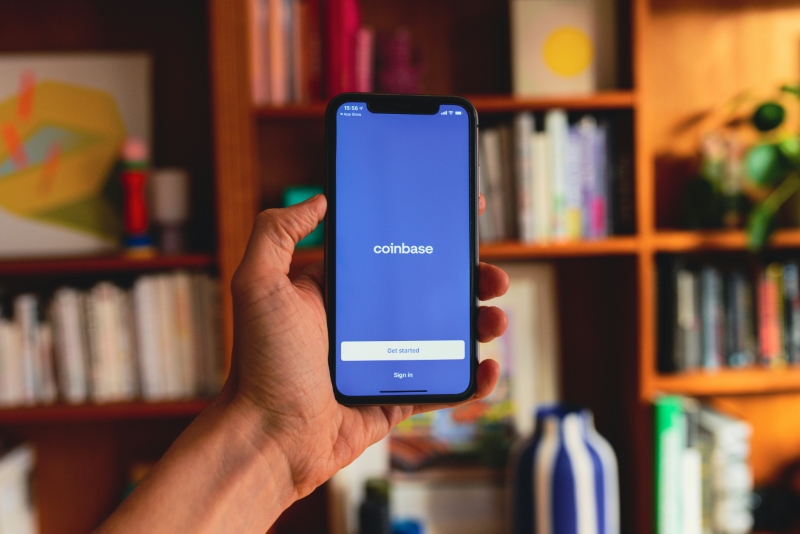
Coinbase just turned the heat up in the crypto developer space with its latest move: Embedded Wallets. This isn’t just another wallet launch - it’s a full developer toolkit designed to make self-custodial wallets as easy to plug and play as logging in with an email or SMS. Couple that with a spicy 4.1% APY on USDC balances, slick PayPal integration talks underway, and fresh fundraising rounds in the pipeline, and you’ve got a recipe that’s likely to disrupt how we store, spend, and move crypto in Web3. If you’re eyeing Coinbase’s expansions for your next investment or project, buckle up - this story unpacks what’s next and why it matters for crypto markets today.[1][3]
Key Takeaways
- Coinbase’s Embedded Wallets SDK lets developers embed self-custodial wallets into apps without the typical headaches of extensions or seed phrases.
- Features include crypto onramps, token swaps, and a competitive 4.1% APY on USDC, boosting user incentives without staking.
- PayPal integration is on the horizon, promising smoother fiat-to-crypto bridges at scale.
- New fundraising efforts aim to fuel Coinbase’s Web3 infrastructure push, aligning with recent U.S. crypto-friendly regulations.
- Market data shows stablecoins like USDC dominating inflows, hinting why Coinbase’s embedded rewards could power serious liquidity shifts.
- On-chain analytics reflect shifting dominance cycles, with institutional players eyeing better custody options amid complex DeFi liquidation landscapes.
Subscribe to our Social Media for Exclusive Crypto News and Insights 24/7!
? Coinbase’s Embedded Wallets: A Developer’s Dream
Let’s cut to the chase. Traditional wallet setups? Painful. Browser extensions, seed phrase backups, constant recalling of keys - enough to scare newbies and turn seasoned devs into coffee zombies at 3 a.m. Coinbase’s new Embedded Wallets SDK flips this script with user-friendly onboarding via email, SMS, or OAuth. No more juggling seed phrases or hunting for MetaMask popups. You start transacting almost immediately.
It’s like Coinbase took the “crypto wallet” nightmare and gave it a spa day. And the developers get to keep the front-end control - but Coinbase handles the hairy backend stuff: key security, recovery, and compliance. This means devs deliver seamless UX without the nightmare of managing custody or regulatory headaches. The tech runs on the same infrastructure powering Coinbase’s decentralized exchange, promising enterprise-grade security with fast ~200ms API response times[1][3].
Add in the functionality to swap tokens, buy crypto onramps, and lock in 4.1% APY USDC rewards natively - this tool isn’t just about safe storage. It’s about creating wallets that earn while you hold. Why settle for dust-collecting coins when your stablecoins can be working overtime?
? PayPal and Fundraising: Coinbase’s Bigger Play
There’s chatter from inside sources that Coinbase is also deep into integrating PayPal for fiat onramps and payouts. Imagine transferring from your PayPal balance directly into these embedded wallets without switching apps. That’s PayPal’s scale meeting Coinbase’s latest tech - a combo that could pull millions of non-crypto natives straight into Web3 apps.
On the fundraising front, Coinbase is reportedly seeking fresh capital to fuel these expansions, betting big on embedded finance as the next battleground. Recent Bank of America research points to embedded wallets as key infrastructure for mass crypto adoption, linking broader fintech with crypto-native protocols[1][2][5]. Coinbase’s timely move might just boost their long-term market share amid rising competition from Binance, MetaMask, and Layer-2 wallet solutions.
? Market Mechanics: Why Embedded Wallets Matter Now
Let’s geek out a bit. The dominance cycles and on-chain data say a lot about timing here. CoinMarketCap shows USDC consistently capturing massive inflows amid market turbulence, signaling strong demand for yield-bearing stable assets. The 4.1% APY beats traditional CeFi savings products, flipping the script on “safe” crypto holdings.
Check out TradingView’s ADX chart for Coinbase’s native token COIN over the past 6 months: it’s been flirting with strong momentum around 25-30 on the ADX - the sweet spot where trend-followers salivate. If embedded wallets accelerate DeFi and gaming user growth, COIN’s current consolidation might just be the calm before a breakout storm.
Liquidation cascades? Yep, they still happen, and they’re nastier than ever with increasing DeFi leverage. Embedded wallets that simplify self-custody could reduce sudden forced-liquidation sell-offs by combining user-friendly onboarding with improved risk controls baked into the platform[1][3]. A trader I spoke to said this move felt eerily like 2021’s blow-off top build, where ease of entry plus yield led to rapid asset cyclic rotation.
? Real-World Example: Holding ADA Through the 2022 Dump

Back in 2022, I held ADA through a brutal 60% price dump - talk about a gut-check. What kept me sane was knowing my ADA was in a self-custodial wallet where I could engage with staking platforms or move assets during the crash. The pain taught me something critical: accessibility and control matter even during the nastiest bear phases.
Coinbase’s Embedded Wallets aren’t just shiny tech toys. They could be the sturdy vessel for holding and earning stablecoins, tokens, or NFTs through rough waters, all while letting us finally ditch those awful seed phrase rituals. Imagine taking that same security and comfort, but wrapped in the cozy blanket of email signups and SMS confirmations. It’s a no-brainer for wider adoption.
? The Whale Action: Rotation or Accumulation?
The whales aren’t sleeping, fam. They’re rotating assets between exchanges and self-custodial smart contract wallets, sometimes within seconds. On-chain analytics show Coinbase’s wallet infrastructure uptake coinciding with large stablecoin inflows - private wallets moving USDC not just as a hedge, but possibly staking, lending, or DeFi yield farming.
With embedded wallets, the hope is to democratize those moves, enabling not just whales but everyday users to stay liquid, engaged, and earning - basically putting Coinbase’s sophisticated trading desk tools into your hands. Makes you wonder if this is Coinbase finally letting the retail masses in on Wall Street’s secret sauce.
? What This Means for Investors and Builders
To put it plainly: Coinbase isn’t just expanding products - it’s building the plumbing for Web3’s mainstream plumbing. For investors, growth in embedded wallet adoption could catalyze COIN’s valuation and its ecosystem’s liquidity. But it’s not without risks: regulatory hurdles, competition, and the ever-present tech risk remain.
For builders, this is a green light to start embedding crypto wallets in ways that don’t alienate users. No more “friction first” onboarding, just smooth crypto experiences backed by giant infrastructure. The SDK is multi-chain compatible - EVM-based chains and Solana testnets - and promises composable onchain systems integration with DeFi apps, gaming platforms, and social finance.
Honestly, the question isn’t will embedded wallets change crypto - it’s how fast will they do it? And how soon will your portfolio reflect that?
Embedded Wallets SDK
USDC APY Crypto
Crypto PayPal Integration






