
Wallet Wars 2025: Who’s Winning - Centralized or Decentralized?
Alright, crypto fam, let’s get real. The battle between centralized and decentralized wallet solutions is heating up like your morning espresso shot. Whether you’re hodling for the moon or actively trading, this wallet debate matters big time because it touches the core of control, security, and, yeah, market dominance. You’ve seen the headlines - centralized wallets claim ease and user-friendliness, while decentralized wallets boast privacy and self-custody. But who’s really taking the lion’s share of the market in 2025? And what’s driving this tug-of-war?
Grab a seat; this one’s gonna get juicy. We’re diving deep - charts, live trading action, insider insights, and yeah, a few war stories from the trenches.
Key Takeaways:
Subscribe to our Social Media for Exclusive Crypto News and Insights 24/7!
- Centralized wallets dominate the market in volume and user base, thanks to fiat on-ramps and integrated services.
- Decentralized wallets win on control, privacy, and DeFi compatibility but have a steeper learning curve.
- Market share shifts are subtle but observable, affected by regulatory pressures and technology advancements.
- Trading volume and liquidity cycles show centralized exchanges (and wallets) respond faster to market swings, but decentralized options gain traction during uncertainty.
? Centralized Wallets: Still King of the Hill?
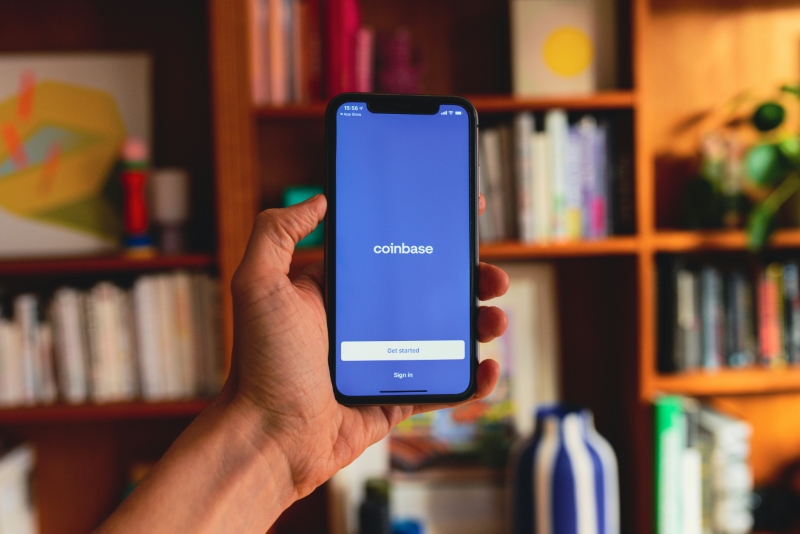
Let’s kick this off with the big dogs - centralized wallets. These are your Coinbase, Binance, Crypto.com app-style wallets, where a third party holds your private keys. That means you can cry wolf if you forget your password and sleep easy, knowing support has your back. The trade-off? You’re trusting someone else to guard your treasure chest.
According to recent data from CoinGecko and Coindesk, Binance continues its iron grip on centralized crypto exchange market share, commanding nearly 38% of spot trading volume in 2025, which translates directly to massive wallet usage on its platform[1][4]. Binance alone handled over $480 billion in spot volume in April 2025 - a staggering figure that reflects just how much centralized wallets enjoy mass adoption. And they ain’t stopping anytime soon.
Here’s the kicker: centralized wallets benefit immensely from fiat integrations - you can buy your first bitcoin with your bank card or USD easily. DEX wallets? Not so much. This access convenience keeps new users flowing in and locked down by ecosystem convenience. And with centralized exchanges innovating rapidly (think APIs, automated compliance tools, and even green crypto initiatives), they’re evolving into full-fledged financial hubs[4].
But: these wallets are often the big fish in a vulnerable pond. The Binance hack jokes and the Mt. Gox memories remind us that centralized custody always carries risk of blowups.
? Decentralized Wallets: Power to the People?
Flip the coin, and you’ve got decentralized wallets, aka non-custodial wallets. MetaMask, Trust Wallet, and hardware favorites like Ledger fit the bill. The core promise? You hold your own private keys. No intermediaries between you and your crypto. It’s the Wild West of wallet control, baby. You lose your keys, you lose your coins. But you also gain full sovereignty, censorship resistance, and unmatched privacy.
Recently, a trader I spoke to mentioned, "This feels like the tech equivalent of 2017, just without the hype pump. People want their keys, not just convenience." He ain’t wrong. The rise of DeFi and NFTs has been a rocket booster for decentralized wallet adoption, as interacting with smart contracts demands self-custody solutions[2][3].
Looking at market data, decentralized wallets are carving out a notable slice of the market, growing alongside the booming DeFi ecosystem. Back in the day, these were awkward tools for the tech-savvy only. Now? Wallets like MetaMask boast millions of monthly active users, and projects like Trust Wallet keep adding usability features that nudge casual users onboard.
Here’s a spicy nugget: the faster crypto regulations shift - especially crackdowns on centralized exchanges - the more you see folks jump ship to decentralized wallets. It’s like trading one jail for a more unpredictable but freer frontier. The trend has become especially visible in regions where government restrictions slam centralized access shut[5].
? Market Mechanics: More Than Just Wallet Wars

Okay, let’s nerd out on market mechanics for a sec, because wallet solutions don’t exist in a vacuum. Centralized exchanges and their wallets illustrate killer dominance cycles. Binance’s market share, for example, ebbs and flows with broader market turbulence - trading volumes drop sharply in April 2025 (-18% MoM), indicating tighter liquidity and cautious market behavior[1]. This directly impacts users’ wallet activity on CEXs, from deposits to withdrawals.
Meanwhile, average directional index (ADX) readings on decentralized exchange volumes have been climbing, signaling growing trend strength in self-custody solutions, especially during bearish market phases when trust in centralized platforms wavers[5].
Remember the “ETH meltdown” of late 2022? That scary swan dive ETH took into support forced many traders off margin - creating liquidation cascades that blew up centralized wallets leveraged via exchanges. Decentralized wallets weathered that storm better since no one trades leverage there - but many users also couldn’t cash out fast enough. A real trade-off.
Think of it like a seesaw: centralized wallets are the fast racers, able to jump in and out with swift liquidity but vulnerable to systemic risk; decentralized wallets are slower movers but hold steady when the highway gets bumpy.
? Pro Tips From The Trenches

- For traders: Centralized wallets rule if you’re into margin trading and fast execution. But watch those liquidation cascades - volatility can bite hard here.
- For HODLers: Decentralized wallets put safety first. But ballpark your private key security like it’s your grandma’s heirloom - lose it, and you’re toast.
- If regulation’s your worry: Keep an eye on regional bans that might force users into decentralized options over centralized ones. This is playing out now in Europe and Asia.
- Liquidity cycles matter: Watch centralized exchange volumes as a barometer of hot money inflows/outflows. Use ADX on decentralized DEX volumes to track emerging trends.
? Personal Reflection: Why I Diversify Wallets
Back in 2022, I rode the ADA rollercoaster through its brutal 60% dump. Having part of my stash locked in a centralized wallet made quick exits easier when the dust settled - but I missed out on some DeFi yields since I didn’t want to risk losing it all on less familiar decentralized options. Lesson learned: mix & match. The whales ain’t sleeping, fam. They’re rotating assets like pros, shifting between wallet types depending on market mood and risk appetite. Why shouldn’t we?
So next time ETH says “nope” to resistance and bounces low, think about where your wallet fits in that narrative. It’s not just about which wallet is better, but which wallet fits you best in this wild, volatile game.
Centralized vs Decentralized Wallet Solutions: Your Most Asked Questions Answered
Q1: What’s the main difference between centralized and decentralized crypto wallets?
A1: Centralized wallets are managed by third-party platforms that hold your private keys for convenience and support, while decentralized wallets give you full control by letting you hold your own private keys, enhancing security but requiring more responsibility.
Q2: Why do centralized wallets still dominate market share in 2025?
A2: Centralized wallets dominate because they offer easy fiat on-ramps, user-friendly interfaces, and fast execution for trading, making them attractive to both new and active traders despite some security risks.
Q3: How do decentralized wallets support DeFi and NFTs better?
A3: Decentralized wallets allow direct interaction with smart contracts on blockchain platforms, which is essential for lending, borrowing, trading in DeFi, and managing NFTs without intermediary restrictions.
Q4: Can market volatility affect my choice between wallet types?
A4: Yes, during high volatility, centralized wallets enable quick trades but are vulnerable to liquidations and hacks, whereas decentralized wallets offer security and autonomy but with less trading flexibility.
Q5: Are decentralized wallets harder to use for beginners?
A5: Generally yes, because users must manage private keys themselves, but many decentralized wallets are improving their user experience to become more accessible over time.
Q6: How are regulations impacting wallet market share?
A6: Increasing regulation is pushing some users and traders to decentralized wallets to bypass geographic restrictions and censorship imposed on centralized platforms.
centralized crypto wallets
decentralized crypto wallets
crypto wallet market share
- https://www.coingecko.com/research/publications/centralized-crypto-exchanges-market-share
- https://www.apptunix.com/blog/top-decentralized-crypto-wallets/
- https://www.grandviewresearch.com/industry-analysis/crypto-wallet-market-report
- https://blog.sagipl.com/centralized-crypto-exchange-statistics/
- https://whaleportal.com/blog/best-decentralized-crypto-exchanges-in-2025/






