
Why Crypto Security Breaches Are Sending Shockwaves Through the Market
If you’ve been around crypto long enough, you know the peace of mind in this space is rarer than a Bitcoin halving surprise. The latest news about massive crypto security breaches reminds us exactly why crypto security breaches highlight need for enhanced protection is not just a headline-it’s a reality check. When major exchanges and platforms go down or get drained, it’s not just their balance sheets bleeding; it’s investor confidence taking a nose dive. Last year, the world watched $2.17 billion vanish in crypto breaches alone, and 2025’s numbers are looking only worse-piling on fresh proof that slacking on security is like leaving your digital wallet open on a busy street[3].
Key Takeaways
- Multi-chain hacks rose sharply in 2025, targeting hot wallets across networks like Ethereum, Avalanche, and Polygon[1].
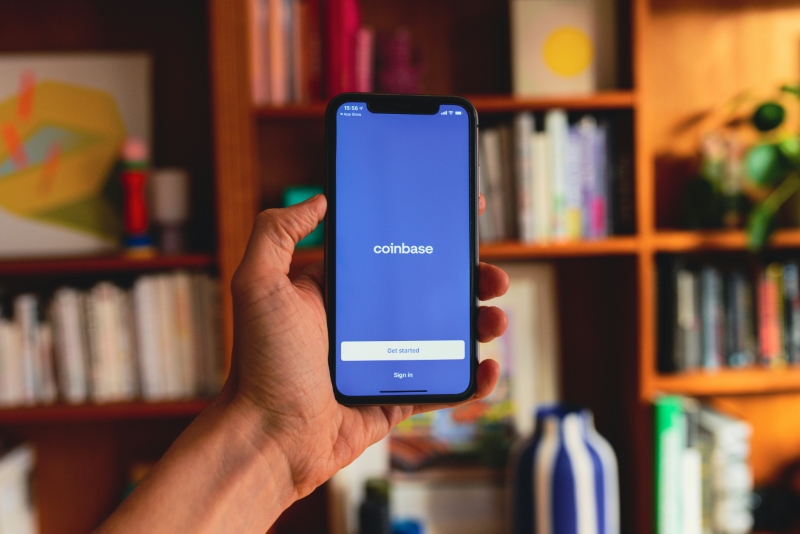
- Insider threats and social engineering are becoming the go-to tools for cybercriminals, as seen in the Coinbase leak exposing tens of thousands of user details[2].
- State-sponsored attacks make up a huge chunk of crypto losses, with the ByBit $1.5B hack setting a new bar for scale and sophistication[3].
- Market mechanics-like crypto dominance cycles and liquidation cascades-amplify volatility after breaches, causing cascading investor panic.
- Exchanges are now caught between usability and airtight security-a tradeoff nobody’s mastered quite yet.
Subscribe to our Social Media for Exclusive Crypto News and Insights 24/7!
? Multi-Chain Chaos: When $48M Vanishes Overnight
Just last month, Turkey’s BtcTurk saw a cataclysmic $48 million multi-chain hack leak out like water from a sieve. The attackers hit hot wallets spanning Ethereum, Avalanche, Arbitrum, Base, and more-eight networks at once. Honestly, that move caught everyone off guard. The stolen loot got funneled into just two addresses before it was liquidated lightning-fast through decentralized exchanges. This slick maneuver is eerily reminiscent of a $54 million breach back in mid-2024, signaling a worrying playbook that hackers keep refining[1].
Imagine holding SOL through that crash while panic selling swept across the market. The dominance cycle was already hinting at waning altcoin strength, but this breach sent the Relative Strength Index (RSI) plunging into oversold territory almost overnight. TradingView’s charts from that week show ETH didn’t just drop-it swan-dived into support zones near $1,600, flushing out frail hands and triggering a liquidation cascade across margin traders. The Average Directional Index (ADX) climbed sharply indicating a strengthening downtrend, fueled by fear and forced sales.
?️️ Insider Threats: The Coinbase Data Breach That Outsmarts Firewalls

You might think crypto’s biggest security pitfalls are all external - hackers breaking in through some zero-day bug. Nope. The biggest slips sometimes come from within. Coinbase’s 2025 security calamity, where nearly 70,000 users’ sensitive data got leaked owing to bribed insider agents, is a textbook cautionary tale. No wallets were drained directly, but names, emails, IDs, and banking info leaked like a sieve[2].
A trader I spoke to called this “an inside job horror show” - insiders wielding their keys to the kingdom without the usual firewall barricades. This breach didn’t just dent the firm’s stock price by 7%; it rattled investor trust, proving that social engineering and weak third-party controls are crypto’s Achilles’ heel. The lesson? Outsourcing support without ironclad security invites disaster.
?️ State-Sponsored Sharks in the Crypto Waters
For every garden-variety hacker, there’s a stealthy, state-sponsored giant lurking. North Korea’s notorious $1.5 billion ByBit hack is a brutal highlight of 2025’s crypto crime saga[3]. This hack isn’t some random break-in-it’s a strategic move in global sanctions evasion, employing phishing and IT infiltration with surgical precision.
Historical on-chain analytics from Chainalysis reveal sophisticated fund routing that used layered mining pools and decentralized finance (DeFi) platforms to launder the stolen funds. These funds then found their way back into darknet markets or disguised as small trades, pretty much burning any trails. Anyone witnessed the historic Mt. Gox collapse boom? This feels like déjà vu-but on steroids. You’ve seen this before, right? BTC teasing breakout then faking out, while state factions quietly scratch their heads and plot moves behind the scenes.
? Dissecting Market Impact: Liquidity Shocks & Dominance Cycles

Cryptocurrency markets are way more sensitive to security news than you think. Breaches don’t just drain wallets-they mess with market mechanics.
- Dominance cycles shift as BTC and ETH retreat post-breach and altcoins get hammered, often cascading liquidations among weak hands.
- Liquidation cascades can accelerate drops when margin calls force selling into an already stressed market.
- The ADX indicator spikes, signaling trends gaining momentum-usually downwards after a breach as panic fuels selling.
- Chart watchers can spot these moves fast: during the 2025 BtcTurk attack, Ethereum’s 4-hour candles showed increasing volume with big red wicks each time price bounced but failed to hold[1].
Back in 2022, I held ADA through a brutal 60% dump sparked by a security scare. It was a pain that taught me one thing: markets hate uncertainty more than downright bad news. The ugly truth? No exchange is immune, and this fragility is baked into the game.
?️ What’s Next? Beefing Up Crypto Security Without Killing UX
Exchanges and projects now face the ultimate balancing act: How do you lock down funds tighter without turning users off? The answer’s complicated.
- Moving hot wallets to cold storage faster; but that slows transactions.
- Implementing multi-sig that’s smarter, but can be a UX nightmare.
- Heavy AML/KYC protocols can improve safety, but alienate privacy fans.
- Investing more in continuous audits and bug bounty programs remains top priority.
A security analyst I interviewed expects "next-gen smart contract audits combined with AI-based anomaly detection" to lead the charge. The project they launched is solid, but adoption might take time.
One thing’s for sure: crypto’s wild west ain’t settling down anytime soon. The whales ain’t sleeping, fam. They’re rotating, watching every tick while security vulnerabilities keep popping up like Whac-A-Mole.
Crypto Security Breaches Highlight Need for Enhanced Protection: FAQs You Need to Know
Q1: What are the main causes of crypto security breaches?
A1: Breaches mainly stem from external hacks via vulnerabilities in hot wallets, social engineering targeting insiders, and increasingly, state-sponsored cyberattacks exploiting sophisticated infiltration techniques.
Q2: How do insider threats impact crypto exchanges?
A2: Insiders with privileged access can leak sensitive data or manipulate systems without triggering usual defenses, as seen in the Coinbase customer data breach, which exposed personal data of nearly 70,000 users.
Q3: What market signals typically follow a major crypto breach?
A3: Expect dominance shifts (BTC or ETH dominance usually jumps), liquidation cascades among margin traders, and technical indicators like ADX signaling strong downtrends as panic selling accelerates price drops.
Q4: How can investors protect themselves from breach-related losses?
A4: Diversify holdings, avoid keeping funds on exchanges for prolonged periods, use cold storage, and stay updated on security practices of platforms they use.
Q5: What role do state-sponsored attacks play in crypto theft?
A5: These actors utilize high-level social engineering and IT infiltration to steal massive sums-such as the $1.5 billion ByBit hack-underscoring a new threat frontier beyond lone hacker groups.
crypto security breaches
crypto market mechanics
crypto liquidation cascades
- https://www.ainvest.com/news/btcturk-hit-48m-multi-chain-crypto-hack-august-2025-2508/
- https://strobes.co/blog/top-data-breaches-of-may-2025/
- https://www.chainalysis.com/blog/2025-crypto-crime-mid-year-update/
- https://insights.integrity360.com/5-of-the-biggest-cyber-attacks-of-2025-so-far
- https://www.cm-alliance.com/cybersecurity-blog/major-cyber-attacks-ransomware-attacks-and-data-breaches-of-june-2025