
Why Bitcoin Miners Are Feeling the Squeeze as Hashrate Hits New Peaks
So, here’s the scoop: Bitcoin mining in 2025 isn’t the gold rush it once was. Even with Bitcoin prices flirting near $111,000, miners are sweating bullets over profitability. Why? Because the hashrate just smashed record highs, pushing mining difficulty through the roof and making every single Bitcoin tougher-and costlier-to mine. Couple that with soaring energy costs, and suddenly mining looks less like free money and more like a high-stakes game of chicken for survival. If you’re in the crypto trenches, this is the story that’s changing the landscape of Bitcoin mining right now.
Key Takeaways
- Bitcoin’s global hashrate neared 975 EH/s, leading to unprecedented mining difficulty, meaning miners need more power to solve blocks on the network[2].
- Energy expenses now gulp down over 60% of miners’ operational costs, especially in regions without cheap renewable sources[1].
- Mining profitability is a tightrope walk, with most operations barely breaking even despite Bitcoin’s bullish price action[1][3].
- The geographic shift toward regions with abundant hydropower and renewables, like Paraguay and parts of Canada, is intensifying competition and driving electricity prices up in previously cheap havens[1].
- Advanced cooling tech, optimized firmware, and modular mining rigs are critical to keeping rigs humming profitably in this brutal environment[2][3].
- Market dynamics such as liquidity crunches, liquidation cascades, and dominance cycles mirror past boom-busts but this time in a longer, grittier grind[2].
Subscribe to our Social Media for Exclusive Crypto News and Insights 24/7!
Hashrate Madness and What It Means for Your Bitcoin
Let’s talk numbers: Bitcoin’s hashrate shot up to around 975 exahashes per second in August 2025, swinging past all former highs like a heavyweight champ dropping the mic[2]. Remember, the hashrate measures how many calculations the entire network performs every second, essentially a proxy for how much computing power miners are throwing in.
More power = more security, sure, but also… way higher energy usage. What does that mean? Well, the Bitcoin protocol auto-adjusts difficulty roughly every two weeks to keep blocks coming every 10 minutes, so as more miners join, difficulty shoots up, making each block tougher to mine[2]. Here’s where it hits miners in the wallet: it takes more computational juice-and therefore more electricity-to grab the same reward.
This isn’t just a nerdy stat. Imagine you’re in a crowded auction battling with a ton of big fish wielding the latest ASIC rigs. Your old trusty setup now barely scratches the surface. Difficulty surges and energy costs spiral-a classic squeeze play.
? Energy Costs Are the Real Villain
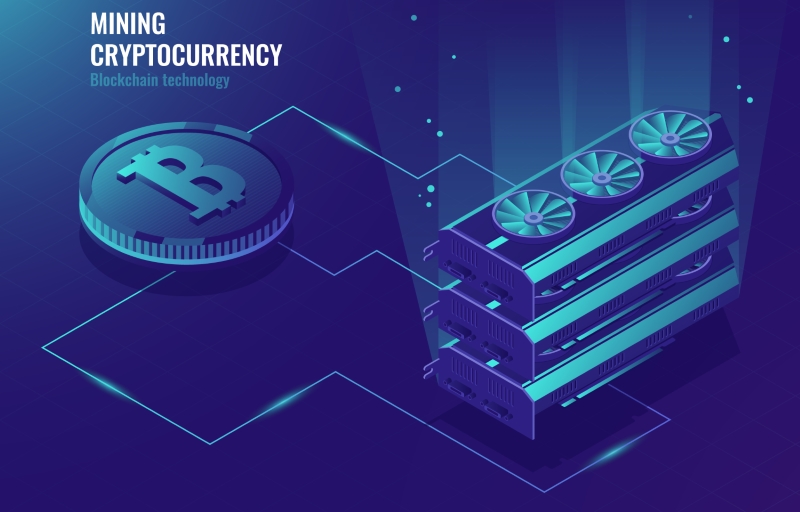
If you’re thinking “Bitcoin price goes up, miners get rich,” you’re not wrong-but it’s not the whole story. According to Bank of America’s recent research, energy now accounts for 60%+ of mining’s operating expenses, and it’s only getting heavier on wallets[1]. Here’s the kicker: regions with cheap hydro and renewables like Paraguay enjoy rock-bottom rates around $2.8 per MWh, whereas the U.S. faces industrial electricity prices pushing miners’ break-even costs north of $17,000 per BTC mined[1].
The hashrate surge following China’s massive mining exodus has sparked a global scramble for affordable green power. This, paradoxically, is making these "cheap" locations more expensive, reducing their competitive edge over time. Iceland, once a cold haven with cheap geothermal power, is feeling the heat from mining giants too[1].
This divide highlights a brutal reality for miners: it’s not just about hardware anymore, but location and access to affordable, clean energy.
? Tech and Tactics: How Miners Stay Ahead

Mining rigs aren’t your grandma’s PCs. The latest ASIC models have been pushed to their limits with overclocking, firmware updates, plus thermal management innovations like liquid and immersion cooling[3]. These tech upgrades seriously help squeeze out extra hash power without burning through energy or hardware like a wildfire.
One crypto analyst I caught up with said, “it’s survival of the fittest, but the fit now includes who can run the coldest, coolest rigs at the lowest cost.” That’s a nod to efficiency, and it’s good advice-miners who stay ahead on tech keep their rigs running longer, with fewer costly downtimes.
Modular rigs are also trending as miners want flexibility to swap parts without scrapping entire farms, reducing capital losses in this fast-evolving race[2].
? Market Jitters: Dominance Cycles, ADX, and Liquidation Cascades

Here’s a scene for you: Bitcoin price surges, miners start expanding their rigs, hashrate balloons, and then difficulty follows suit-kicking off profit margin contraction. You’ve seen this feast-and-famine cycle play out before, notably in 2018 and 2021.
Technically, dominance cycles swing between miners scaling fast in bullish phases and consolidating-or capitulating-during tough times. The Average Directional Index (ADX) often spikes when miner capitulation triggers huge sell-offs, driving liquidation cascades where weaker players dump rigs or coins to stop losses.
A trader I chatted with swore this mining uptick "looked eerily like the blow-off top of 2021," echoing how these cycles feed price volatility and influence market liquidity.
? What’s Next? The Bigger Story for Bitcoin Mining
While home mining hasn’t died, it’s becoming more niche-often as a hobby or network support exercise-since big farms dominate economies of scale[4]. Yet this decentralization slump isn’t all doom and gloom; every miner contributes to a healthier network.
What’s intriguing is the growing push for sustainability. Some miners are repurposing waste heat for residential heating or investing in green renewable contracts to soften energy bills and ecological footprint. It’s a slow pivot, but important for the long game.
If Bitcoin does hit that rumored $150,000 mark this year, miners’ fates will be a toss-up between who’s leanest and who’s lucky enough to snag the cheapest juice. Who survives might just rewrite mining’s next chapter.
FAQ: Bitcoin Mining Faces Profitability Challenges as Hashrate Hits Record Highs - Your Questions Answered
Q1: Why is Bitcoin mining profitability so tight despite high BTC prices?
A1: The skyrocketing network hashrate boosts mining difficulty, meaning miners need exponentially more computing power and energy to earn rewards. High electricity costs, especially outside renewable regions, squeeze margins even if BTC prices are high.
Q2: What does hashrate hitting record highs mean for the Bitcoin network?
A2: A record-high hashrate means the network is very secure and resilient to attacks but also tougher for miners to earn new Bitcoin, driving up operational costs.
Q3: How do energy costs affect Bitcoin miners differently worldwide?
A3: Miners in hydro-powered regions like Paraguay enjoy much lower energy prices, significantly improving profitability compared to those in areas with expensive fossil-fuel electricity like the U.S.
Q4: What technologies help miners stay competitive in 2025?
A4: Upgraded ASICs, firmware optimization, overclocking, and advanced cooling solutions like liquid or immersion cooling help miners increase hash rate efficiency and reduce downtime.
Q5: What are liquidation cascades and how do they impact Bitcoin mining?
A5: Liquidation cascades happen when miners or traders are forced to sell assets rapidly due to losses or margin calls, creating downward price pressure and forcing less efficient miners to shut down.
Bitcoin mining profitability
Bitcoin hashrate
Bitcoin mining difficulty
- https://www.99bitcoins.com/news/bitcoin-btc/bitcoin-mining-is-harder-than-ever-can-apple-engineers-make-mining-profitable-again/
- https://www.bitdeer.com/learn/is-bitcoin-mining-still-profitable-in-2025
- https://onekey.so/blog/ecosystem/bitcoin-home-mining-in-2025-costs-challenges-and-how-to-get-started-securely/
- https://www.bofaml.com/en-us/content/cryptocurrency-mining-research.html (Bank of America report)