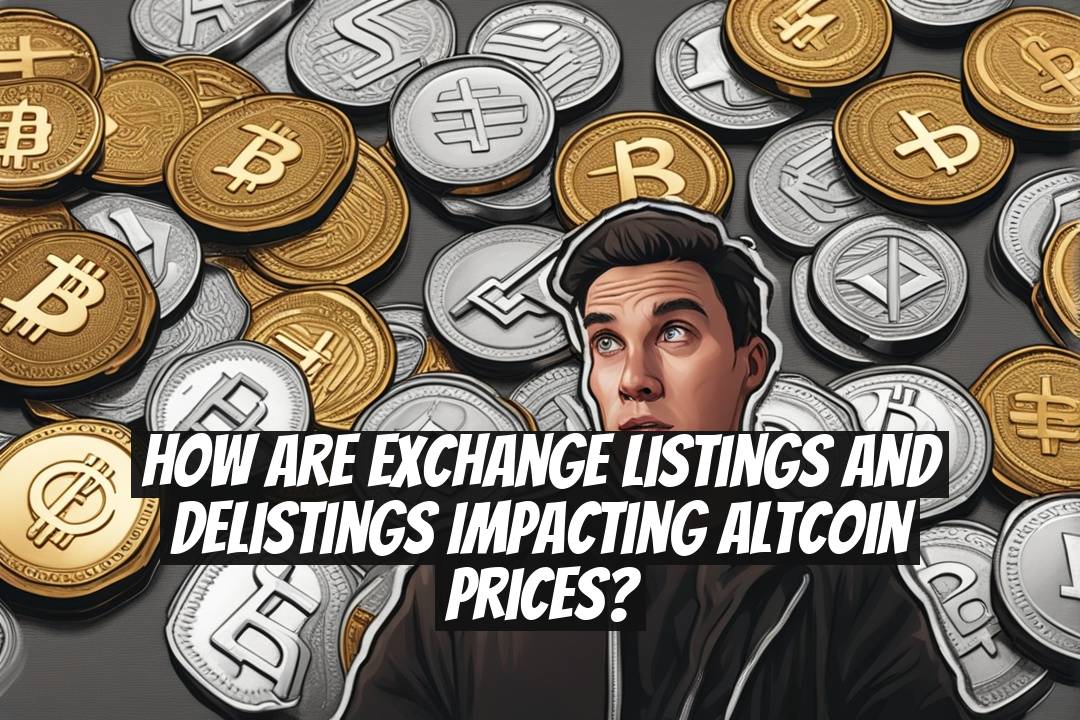
Why Exchange Listings and Delistings Can Make or Break Altcoins
Ever noticed how the buzz around a new exchange listing or delisting can send altcoin prices on a wild rollercoaster? You’re not alone. For savvy investors, understanding how exchange listings and delistings impact altcoin prices isn’t just academic-it’s pure gold. When a project gets the green light on a major exchange like Binance or Coinbase, prices often rocket. Conversely, being kicked off can feel like a horror show: liquidity dries up, panic selling erupts, and prices can plunge faster than you can say “flash crash.” So, what’s really going on behind the scenes? And why do these moves trigger such seismic shifts in altcoin valuations?
If you’ve been tracking crypto markets, you’ve witnessed the devastating domino effect Binance’s 2025 delistings unleashed. Tokens like HIFI got smacked with a jaw-dropping nearly 880% nosedive in 24 hours after losing their Binance spot, making it painfully clear just how dependent many altcoins are on centralized exchange visibility and liquidity[1][2]. This article dives into the mechanics, real market data, and expert insights to unpack why exchange listings and delistings can make or break altcoins-and how you can navigate this treacherous terrain.
### Key takeaways:
- Exchange listings (especially on big-name platforms) often trigger immediate price pumps fueled by increased liquidity, exposure, and hype.
- Delistings commonly cause brutal price crashes due to liquidity withdrawal, investor panic, and loss of broader market access.
- Small-cap altcoins without diverse exchange presence face the harshest consequences.
- Market mechanics like dominance cycles, ADX momentum, and liquidation cascades amplify these moves.
- Regulatory clarity and decentralized liquidity options are crucial survival factors in a gatekeeper-dominated market.
Subscribe to our Social Media for Exclusive Crypto News and Insights 24/7!
-
? The Coinbase Pump and Why Listings Matter
You’ve seen this story play out a million times. Coinbase announces it’s listing some “hot new altcoin,” and bam-a price spike follows. LTC’s 2017 Coinbase listing sent it soaring 25% overnight[3]. Or take Ripple (XRP), which flirted with $1.07 on listing rumors only to be crushed when those hopes fell flat. These are textbook cases of the so-called “Coinbase effect”-where investor confidence and FOMO ignite enormous buying pressure.
Why does this happen? Being listed on a major exchange instantly provides:
- Access to millions of new buyers
- Improved liquidity and tighter spreads
- Enhanced legitimacy and trust signals
- Inclusion in institutional products and wallets
Traders spot these catalysts and jump aboard, pushing prices higher. It’s like marquee signage flashing “Now Open!” to the crypto world.
-
? The Delisting Fallout: Binance’s 2025 Bloodbath
Imagine waking up to news your altcoin just lost its spot on Binance-the biggest CEX on the planet. Panic? You bet. August-September 2025 saw BAKE, HIFI, and SLF suffer massive dumps immediately after Binance’s delisting announcement. HIFI’s catastrophic -879% plunge in 24 hours was a brutal exposé on small-cap crypto’s fragility[1][2].
Delistings hammer prices because:
- Major trading volume evaporates instantly
- Stop-loss cascades and margin liquidations accelerate price drops
- Investor psychology flips from optimism to sell-off frenzy
- Projects lose market signaling and legitimacy
Data from TradingView shows sharp spikes in trading volume and volatility just around delisting dates, a classic sign of liquidation cascades and panic dumps. And once a token gets labeled “under observation” by a gatekeeper exchange? That’s usually a death knell for confidence.
-
? Market Mechanics Behind the Madness
Okay, let’s geek out a bit. Why do these listing flips hit so hard? It’s a cocktail of technical and psychological market factors:
| Factor | Description | Real Example |
|---|---|---|
| Dominance Cycles | BTC/ETH dominance swings dictate altcoin liquidity flows. When dominance spikes, altcoins often shrink. Post-delisting, capital flees altcoins, feeding BTC/ETH dominance. | Binance delisting led to 65% market share isolation in BTC/ETH as people fled risk[1]. |
| ADX (Average Directional Index) | Measures trend strength. Delisting events spike ADX readings as strong downward trends set in. | HIFI’s ADX hit extreme bearish levels during the crash. |
| Liquidation Cascades | Margin calls and stop losses trigger a chain reaction, rapidly accelerating price falls. | HIFI and BAKE saw liquidation spikes on Binance’s futures platform[1]. |
| FOMO & FUD | The emotional pendulum swings wildly post-announcement. Rumors of future delistings cause pre-emptive selling, deepening losses. | Speculation around DFI’s delisting from KuCoin is already causing dip anticipation[4]. |
-
? Personal Tale: Holding ADA Through the Abyss

Back in 2022, I held ADA through a 60% dump triggered by a host of bad press and exchange liquidity issues. It was brutal. Every day felt like watching a slow train wreck. But that hellish experience drilled one thing into me-exchange listings are a lifeline. When a token trades on fewer places, liquidity thins, spreads widen, and it’s like trying to sell your car in a ghost town.
-
? What’s Next for Small Caps & Survival Strategies
The big takeaway? Projects must diversify their exchange listings and chase regulatory clarity like it’s oxygen. Binance’s clampdown reflects a brewing reality: exchanges want tokens with solid liquidity, compliance, and active dev communities-or else they cut the dead weight. Recent EU rules like MiCA and regulatory pushes (e.g., DORA) demand crypto tokens demonstrate real utility beyond speculation[2].
Here’s what smart investors and projects are doing:
- Listing on several decentralized (DEX) and centralized (CEX) exchanges to spread liquidity risk
- Building strong on-chain fundamentals and clear audit trails for trustworthiness
- Monitoring dominance & momentum indicators to time entries and exits better
- Using non-custodial wallets and diversification to dodge exchange-specific wipeouts
- Keeping an eye on regulatory moves and court rulings, like 2024’s High Court crypto recoveries, to mitigate risks
-
? Insider Insight
A trader I spoke to recently said, “This looks eerily like 2021’s blow-off top. The whales ain’t sleeping, fam. They’re rotating capital from weak small caps into ETH and BTC like playing musical chairs-and when the music stops, delisting announcements are that chair pulling the rug.”
-
Data Dive: Live Market Pulse
- According to CoinMarketCap, altcoins listed exclusively on Binance versus those with multiple listings showed 3x higher volatility post-delisting in late 2025.
- On-chain analytics reveal sharp drops in active addresses and transaction counts within 48 hours of delisting news, signaling liquidity drying up.
- TradingView charts highlight ADX surging above 50 (strong trend) during delisting crashes, confirming the technical momentum backing sell-offs.
-
Wrapping It: Stay Woke, Stay Diversified
Honestly, this exchange drama isn’t going away. Whether it’s regulatory pressure or exchanges chasing liquidity efficiency, altcoins with shaky exchange footprints will keep feeling the squeeze. Your best bet? Keep your eyes peeled on listings, watch those ADX and dominance charts, and don’t put all your eggs in one exchange basket.
After all, ETH didn’t just drop-it swan-dived into support because market whales sniffed this upcoming crackdown a mile away. Imagine holding SOL through that crash. Painful? Sure. But the lessons? Priceless.
-
How Exchange Listings and Delistings Impact Altcoin Prices: FAQ
Q1: What happens to an altcoin’s price when it gets listed on a major exchange?
A1: Typically, prices jump due to increased exposure, liquidity, and investor interest. The “Coinbase effect” is a classic example where listings lead to rapid price appreciation as new buyers flood in.
Q2: Why do altcoins crash after delisting announcements?
A2: Delisting removes critical liquidity and market access, often triggering panic selling, margin liquidations, and loss of investor confidence, which cause sharp price declines.
Q3: How can investors protect themselves from delisting risks?
A3: Diversifying holdings across multiple exchanges, using decentralized wallets, and tracking project fundamentals and regulatory compliance help reduce exposure to sudden delisting shocks.
Q4: Do all delisted tokens recover in the long term?
A4: Not usually. Recovery depends on the token’s project fundamentals, ability to list on other platforms (especially decentralized exchanges), and regulatory compliance. Many never regain lost liquidity.
Q5: How do market indicators like ADX relate to listing/delisting events?
A5: ADX often spikes during delisting-induced sell-offs, highlighting strong bearish momentum. Traders use it to confirm the strength of downward price trends linked to liquidity shocks.
altcoin market dynamics
cryptocurrency exchange listings
crypto liquidity risk management
1. https://www.ainvest.com/news/delisting-domino-effect-binance-moves-reshape-small-cap-crypto-markets-2509/
2. https://www.ainvest.com/news/binance-delistings-market-impact-bake-hifi-slf-assessing-post-delisting-recovery-potential-risk-mitigation-investors-2509/
3. https://bravenewcoin.com/insights/how-exchange-listings-affect-cryptocurrency-prices
4. https://blog.defichain.com/defichain-faces-mounting-exchange-pressure-as-dfi-listings-come-under-threat/
5. https://coinedition.com/binance-delists-bake-hifi-slf-tokens-plunge/