

Why the Bitcoin Halving Drama Is More Than Just a Numbers Game
The Bitcoin halving isn’t some dry countdown event - it’s the heartbeat that keeps the entire crypto ecosystem on edge. If you’ve been watching the space, you know the 2024 halving wasn’t just about slashing block rewards from 6.25 BTC to 3.125 BTC; it’s a tectonic shift that sends shockwaves through the mining landscape, difficulty adjustments, and ultimately, market vibes. This periodic cut in mining rewards not only squeezes miners’ margins but also stokes the furnace behind hashrate trends and difficulty spikes, shaping how Bitcoin’s future market outlook pans out.
In other words: the halving is the magician pulling strings behind mining economics, triggering a scramble among miners, influencing difficulty changes, and painting key clues about where Bitcoin’s price and network strength might head next. Let’s unpack why the “difficulty spike” buzz isn’t just hype and how hashrate dynamics are rewriting the mining playbook - with charts, expert takes, and some solid data from the trenches.
Key Takeaways
Subscribe to our Social Media for Exclusive Crypto News and Insights 24/7!
- Bitcoin halving cuts mining rewards in half, tightening miner profitability and shaking up network dynamics.
- Post-halving, mining difficulty usually spikes as miners race against the clock to outpace reduced earnings.
- Hashrate trends reveal miner confidence and network security, often predicting market cycles ahead.
- Understanding dominance cycles, ADX swings, and liquidation cascades helps decode market reactions to halving events.
- Miners must ramp efficiency and cut costs - renting hashing power or leveraging cheap energy - to stay afloat.
️ What’s Up With the Bitcoin Mining Difficulty Spike?
Imagine the miners like a competitive sports league. When the prize money gets cut severely - like it does every four years at halving - some players drop out. But here’s the kicker: mining difficulty doesn’t soften up to help them. Nope, it actually tightens with a vengeance. Why? Because Bitcoin’s protocol adjusts difficulty roughly every two weeks aiming to keep block confirmation times close to 10 minutes - regardless of how many miners are in the game.
Leading up to the 2024 halving, data from Coin Metrics showed mining difficulty climbing sharply - miners were in a last-ditch effort to rake in max rewards before the payout got halved[3]. Post-halving, the difficulty took a momentary breather but quickly bounced back as the network stabilized and miners with the latest, most efficient hardware reasserted dominance.
The miner shift isn’t just techy drama: a higher difficulty means more energy, better equipment, and lean operations needed just to break even. Many less-efficient rigs get unplugged, shrinking the hash power pool temporarily - but since the blockchain can’t have blocks taking longer and longer, difficulty hiked up like clockwork to balance it out.
A trader I chatted with called the lead-up to this halving “eerie deja vu,” reminding him of the 2021 run-up that heralded Bitcoin’s epic bull momentum. Mining hardware makers were aggressive, incentivized to push tech boundaries as the financial squeeze intensified.
? Hashrate Trends Tell the Tale
Hashrate isn’t mere background noise. It’s basically the miner heartbeat - the total computational muscle dedicated to securing Bitcoin’s ledger. When hashrate is rising, it suggests healthy network participation, reflecting miner confidence despite earnings taking a hit.
In the months leading to this halving, on-chain analytics (TradingView charts here) showed hashrate surging to new all-time highs, even as BTC price flirted nervously with resistance levels. Miners were, quite literally, racing against time. But post-halving, there was a dip - a pause for breath - followed by a rebound as miners recalibrated their cost structures and hardware efficiency[3].
Why care? Earlier halving cycles show us that hashrate dips can foreshadow market chills and even price sell-offs. But when hashrate bounces back sharply - especially above historical highs - it often signals that the market’s gearing up for the next leg of the bull run.
The “whales ain’t sleeping, fam.” This same dance was noticeable in 2016 and 2020 halvings. Network uptime stayed rock solid, but the miner landscape morphed fast with efficient operations squeezing out the less savvy.
? Market Mechanics Behind the Scenes: Dominance, ADX & Cascading Liquidations

Alright, now here’s where things get spicy for crypto traders and investors: the halving doesn’t happen in a vacuum. It jabs the market, triggering ripple effects across dominance cycles, trend strength (ADX), and yes, those heart-stopping liquidation cascades better left for adrenaline junkies.
- Dominance Cycles: Bitcoin’s dominance often tightens during and after halving events as liquidity concentrates in BTC. History from previous cycles says altcoins get a hit while Bitcoin hogs the spotlight - though exceptions happen if DeFi or NFTs are roaring elsewhere.
- ADX Movements: The Average Directional Index (ADX) helps us gauge trend strength. Leading into halvings, ADX typically spikes as volatility surges. Post-halving, if ADX remains high, it suggests bulls or bears are firmly in control. For 2024, an ADX reading hovering near 40 hinted at a strong trend forming - something traders to watch closely.
- Liquidation Cascades: The halving’s price shocks sometimes ignite liquidation dominoes - forced sales of leveraged long or short positions - which supercharge short-term volatility. Back in 2022, during the brutal market sell-off, we saw liquidation cascades wipe several billion in minutes. Imagine holding SOL or ADA then… brutal! But those moments remind us why understanding market mechanics is game-changing.
CoinMarketCap and trading platforms showed how during 2024’s halving, liquidation levels spiked briefly as miners and traders adjusted risk - but stabilized quickly, showing market resilience.
? Miners Adapting: Tools, Tech & Strategies
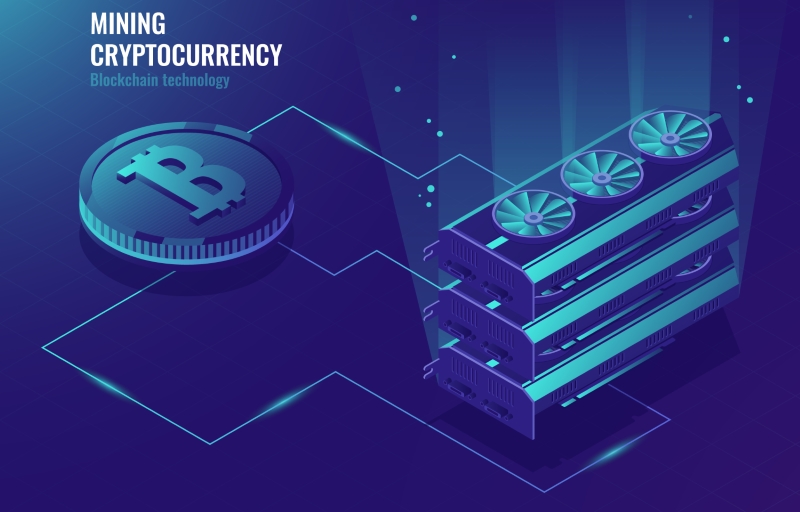
The halving’s reality check means miners gotta hustle smarter, not just harder. Post-2024, top strategies incorporated:
- Efficiency Over Power: Investing in newer ASIC rigs with better joules-per-hash efficiency to slash electricity costs.
- Energy Arbitrage: Shifting operations to regions where power is cheap or renewable - think hydroelectric China or wind in Texas.
- Cloud Mining Growth: Renting hashing power remotely became more than a trend; it’s a cost-saving tactic for smaller players who can’t afford upfront investment[4].
- Fleet Flexibility: Some miners diversified portfolios or even temporarily shut less efficient rigs until BTC prices rebounded.
This reminds me of a chat with a mining pool operator who said: “We’d’ve expected a bloodbath post-halving. But what we got was a lion’s den of innovation and efficiency upgrades.” That echoes what the data shows: the Bitcoin mining ecosystem grows meaner and leaner each cycle.
? What Does All This Mean for Market Outlook?
Halvings are like a crypto rite of passage - stress tests that squeeze miners, shake markets, and eventually set the stage for the next rally. With 94% of Bitcoin mined already, each halving sharpens scarcity, tightening supply - a fact investors salivate over[4][5].
Price-wise? The immediate post-halving period is rarely explosive. We saw Bitcoin “tease breakout then fake out” after the 2024 event, a classic “whale dance” that seasoned traders like me aren’t surprised by. But mid-to-long term? History’s shown us halving cycles usually lead to Bitcoin hitting new all-time highs, fueled by scarcity and growing adoption.
One tidbit from Bank of America’s recent research highlights a curious correlation: the halving aligns with increased institutional attention on Bitcoin’s macro role - particularly as “digital gold” against inflationary fiat[1][2][5]. This growing narrative might fuel demand beyond just miner economics, tying into wider market sentiments.
So, where does that leave you, dear investor? If you’re holding right through this mining difficulty spike and halving aftermath, remember: patience is a virtue. The miners and market have to catch their breath before the fireworks resume. And when they do, you want to be in a position to ride the wave, not panic in the rip tide.
Bitcoin Halving and Mining: Historic Difficulty Spike and Hashrate Trends FAQ - Everything You Need to Know
Q1: What exactly is Bitcoin halving and why does it matter to miners?
A1: Bitcoin halving is an event that happens every 210,000 blocks (~4 years) where mining rewards get cut in half. This reduces miner income, pushing out inefficient players and causing shifts in mining difficulty and hashrate, which strongly impacts the network and market dynamics.
Q2: How does mining difficulty adjust after a halving event?
A2: Mining difficulty adjusts roughly every two weeks to keep block times steady. After halving, difficulty often spikes or dips as miners join or leave, balancing the network’s computational power with the 10-minute block time target.
Q3: Why do hashrate trends matter for Bitcoin’s price outlook?
A3: Hashrate reflects miner confidence and network health. Rising hashrate often signals robust network security and prior to major bull runs, while declining hashrate can indicate miner stress or upcoming market dips.
Q4: What market signals accompany Bitcoin halving events?
A4: Dominance cycles shift toward Bitcoin, trend strength (ADX) spikes due to volatility, and liquidation cascades may temporarily rock the market. These signals help traders gauge momentum and risk around halving times.
Q5: How do miners stay profitable when block rewards halve?
A5: Miners invest in energy-efficient hardware, leverage cheaper electricity sources, rent hashing power, and optimize operations. This lean survival approach keeps the mining ecosystem competitive despite lower rewards.
Bitcoin halving
Mining difficulty
Hashrate trends
- https://zerocap.com/insights/snippets/bitcoin-harder-mine-halving/
- https://ecos.am/en/blog/bitcoin-mining-difficulty-what-it-is-why-it-increases-and-its-impact/
- https://coinmetrics.substack.com/p/state-of-the-networks-issue-290
- https://www.bitcoinmagazinepro.com/blog/how-will-bitcoin-halving-affect-miners-strategies-for-survival/
- https://www.kraken.com/learn/bitcoin-halving-history






