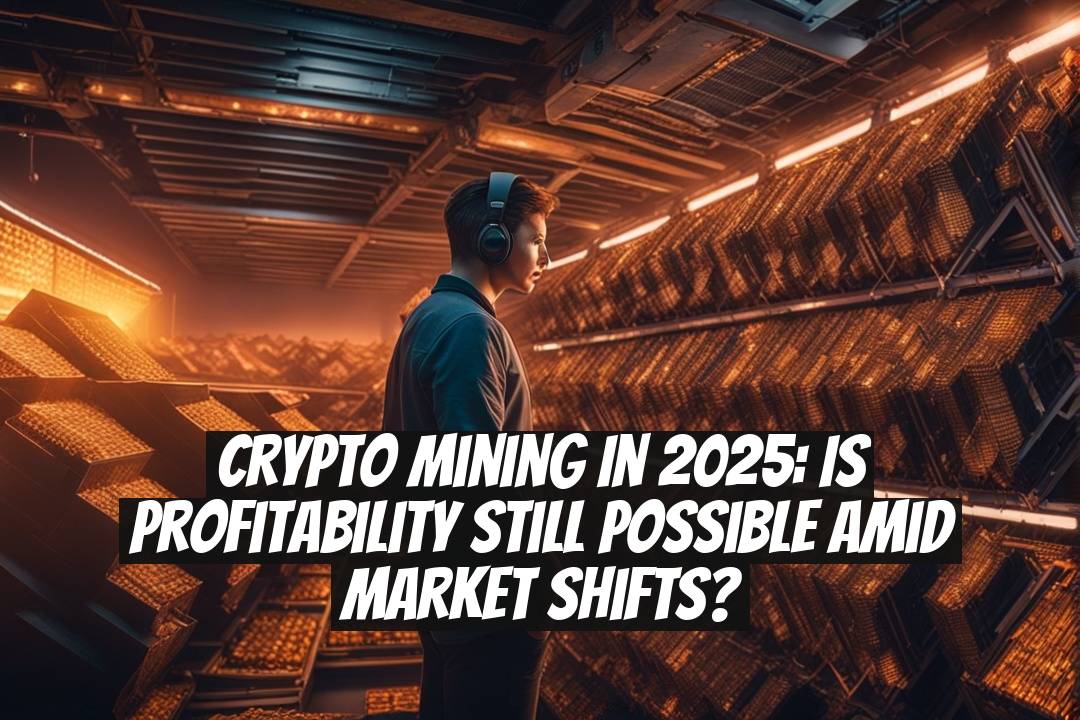
Can Crypto Mining Still Shine Bright in 2025? Let’s Break It Down
If you’re wondering whether crypto mining in 2025 still holds the golden ticket to profitability amid shifting markets, you’re not alone. With the ever-changing landscape of cryptocurrency prices, energy costs, and mining difficulty, mining profitability today is a complex puzzle - but not necessarily a lost cause. Let’s chat through what this means for the crypto market, the challenges and opportunities miners face, and practical tips you can take to navigate this landscape with your wallet intact.
Key Takeaways ?
- Bitcoin mining still can be profitable in 2025, but only with cutting-edge hardware, cheap electricity, and optimal operations.
- High network difficulty and the 2024 halving reduced block rewards to 3.125 BTC, increasing competition and squeezing margins.
- Altcoins mined through GPUs offer more accessible opportunities, but profitability varies widely based on market prices and mining costs.
- Strategic operational efficiency-such as firmware updates, cooling systems, and smart pool choice-is key for sustained profitability.
- Small-scale miners may find it harder to compete but can explore specialized altcoins or cloud mining with caution.
Subscribe to our Social Media for Exclusive Crypto News and Insights 24/7!
Mining Profits in 2025: The Reality Check ?
First, the elephant in the room: Is crypto mining still profitable in 2025? The honest answer is-it depends. For Bitcoin, the flagship of crypto mining, the game has changed. After the 2024 halving slashed block rewards from 6.25 to 3.125 BTC, miners face slimmer rewards, while the global hash rate is at an all-time high. This means mining competition is fierce, and you need next-level ASIC hardware plus rock-bottom energy costs simply to break even[1][2].
Imagine trying to win a race where the prize halves every four years, but the number of runners doubles-they got to be lightning fast to stay ahead! Mining big block rewards is now dominated by professional farms with multi-million-dollar rigs and energy contracts from cheap power plants[3]. Meanwhile, prices hovering between $55,000 and $60,000 per Bitcoin, though substantial, are below previous bull market peaks, making ROI calculations trickier.
For many small miners, the days of solo mining a block from their basement are over. Instead, joining mining pools has become essential to smooth out the rewards and keep steady income[4].
Altcoins to the Rescue? GPU Mining Still Lives! ?
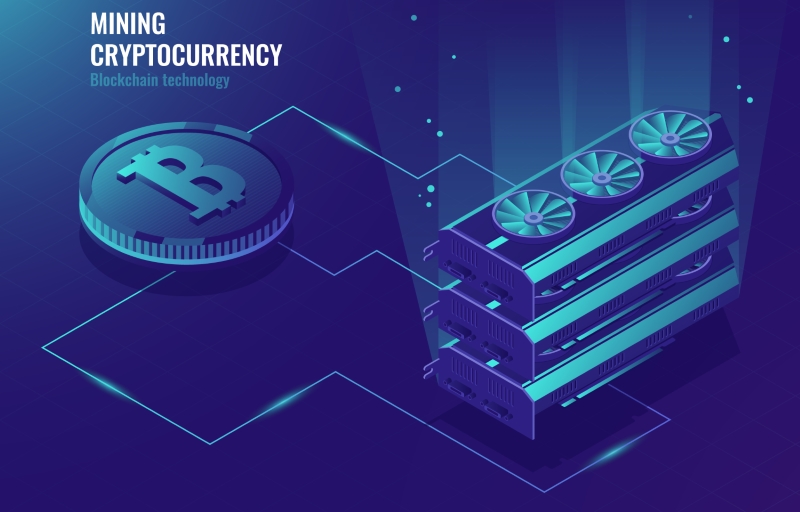
While Bitcoin mining demands ASIC machines and industrial-scale setups, some altcoins mined via GPUs or CPUs offer alternatives for hobbyists and smaller players. Coins like Monero, Ravencoin, Ergo, and Kaspa remain viable, especially if you’re strategic about electricity costs and hardware efficiency[1][5].
The trick? Find altcoins with:
- Reasonable network difficulty
- Hardware that matches your budget (e.g., consumer-grade GPUs or CPUs)
- Solid market demand so mined tokens hold value
Mining smaller coins can be rewarding, but volatility means profits can be fleeting. Smart miners keep tabs on market trends and switch mining operations accordingly[4].
Operational Efficiency: Your Best Friend in 2025 ️?

In such a competitive field, operational excellence is the secret sauce that separates winners from losers. Here’s what savvy miners swear by in 2025:
- Cutting-edge hardware: Upgrade to the latest ASICs or GPUs to maximize hash rates.
- Firmware updates: Regularly update your mining rigs to boost efficiency and reduce power consumption.
- Advanced cooling: Use liquid or immersion cooling systems to prevent overheating and prolong hardware life.
- Overclocking wisely: Push your rigs for extra performance, but don’t risk overheating or damage.
- Join reputable mining pools: Pooling resources improves steady income, as solo mining can be hit-or-miss.
- Monitor electricity costs closely: Cheap energy is a must; some miners relocate or partner with renewable energy providers.
- Consider hosting options: Professional mining farms offer excellent cooling and energy deals but charge management fees[3][5].
Every dollar saved on energy or downtime adds directly to your bottom line.
The Big Picture: What Does This Mean for Crypto Market? ?

Miners are the backbone securing blockchains, so their profitability affects the entire cryptocurrency ecosystem. As mining gets more expensive, expect these effects:
- Consolidation: Smaller, less efficient miners may exit, leading to centralized mining farms dominating the network.
- Price sensitivity: Miners’ sell pressure can increase in downturns, affecting market prices.
- Innovation push: Competition drives hardware and cooling tech innovation, benefiting the sector long-term.
- Network security: Miner profitability impacts hashrate; if profits drop too low, network security could be threatened (though that’s unlikely anytime soon due to current high hashrates)[1][3].
For investors and the community, understanding mining dynamics is crucial for predicting market moves and technological trends.
Personal Insights: Mining in 2025 Is a Marathon, Not a Sprint ?️
If you’re considering mining in 2025, think long term. It’s not a quick get-rich scheme anymore. The mining landscape is like a high-stakes poker game-success depends on your cards (hardware), your bet size (energy and capital costs), and how skillfully you play (optimization and market timing). Many beginner miners face disappointment unless they plan with a clear strategy and invest in efficiency.
That said, I’m still optimistic. Crypto mining in 2025 proves the resilience of this ecosystem. With smart moves and tech savvy, it’s possible to mine profitably, especially if you can:
- Access cheap or renewable energy sources
- Manage your mining rigs meticulously
- Adapt quickly to market fluctuations and halving events
For those dabbling in crypto investment, mining offers a tangible connection to the blockchain network’s health and potential passive income streams if navigated prudently.
Practical Tips to Navigate Crypto Mining in 2025 ?️
- Do your homework: Use mining calculators that factor in hash rates, difficulty, electricity prices, and equipment costs.
- Stay updated: Monitor halving schedules, network difficulty, and key coin price trends regularly.
- Explore altcoins: Consider diversifying into GPU-mineable coins if Bitcoin isn’t feasible.
- Join mining pools: Pooling helps smooth income and improve success odds.
- Manage risk: Avoid overspending on hardware; think about ROI timelines carefully.
- Watch energy deals: Small savings on electricity add up big.
- Keep your rigs cool: Invest in better cooling for hardware longevity.
- Consider cloud mining cautiously: Lower upfront costs but beware of fees and provider reliability.
Curious about how your mining journey could turn out in this evolving landscape? Ask yourself: Will I be the savvy miner who innovates and adapts, or the one left watching the bitcoin ship sail by?
Explore further on Crypto Mining in 2025, the Bitcoin Mining Profitability, and Altcoin Mining Strategies.
Sources:
[1] https://coinbureau.com/analysis/best-crypto-to-mine/
[2] https://bitbo.io/tools/mining-profitable/
[3] https://www.bitdeer.com/learn/is-bitcoin-mining-still-profitable-in-2025
[4] https://koinly.io/blog/best-crypto-to-mine/
[5] https://www.tokenmetrics.com/blog/the-best-cryptocurrencies-to-mine-in-2025-a-comprehensive-guide