
Is Institutional DeFi and On-Chain Derivatives the New Frontier in Crypto Finance?
The latest surge in institutional interest in DeFi (Decentralized Finance) and on-chain derivatives is reshaping the crypto market landscape dramatically. If you think blockchain is just for retail investors and crypto enthusiasts, think again. Institutional players are now leading the charge, fueling trends that could redefine digital assets’ role in portfolios, trading, and risk management. But what’s really driving this wave, and why should you, as a savvy investor, pay attention? Let’s unpack the forces behind institutional DeFi and on-chain derivatives, and explore what this means for the broader crypto ecosystem.
Key Takeaways:
- Institutional participation in DeFi is set to triple by 2027, moving beyond just Bitcoin and Ethereum to altcoins and tokenized assets.
- Regulatory clarity from frameworks like the U.S. executive orders and MiCA in the EU acts as a catalyst, though legal uncertainties remain concerns.
- Cross-chain interoperability, AI-enabled risk tools, and tokenization of real-world assets (RWAs) are critical technological drivers.
- On-chain derivatives markets offer institutions sophisticated financial instruments with enhanced capital efficiency.
- Stablecoins and tokenized real-world assets are becoming core parts of institutional digital asset strategies.
Subscribe to our Social Media for Exclusive Crypto News and Insights 24/7!
? Institutional DeFi Adoption: What’s Lighting the Fuse?
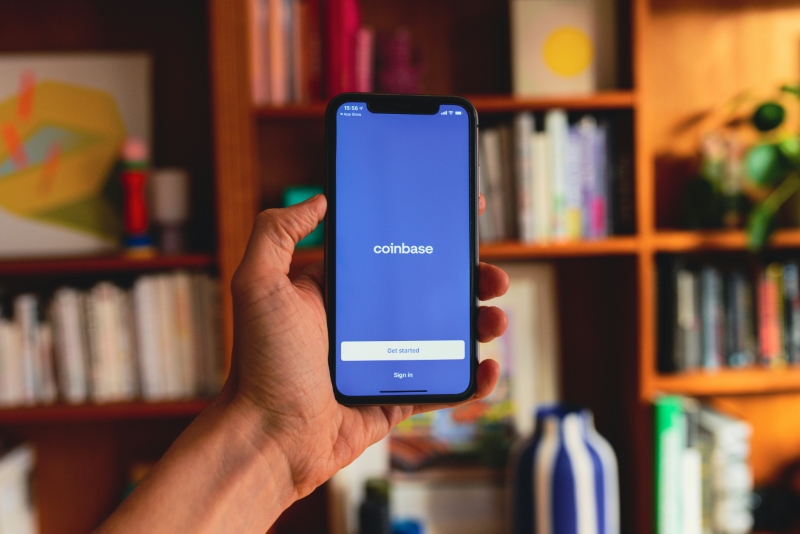
According to the 2025 Institutional Investor Digital Assets Survey by Coinbase and EY-Parthenon, a staggering 86% of institutional investors either hold or plan to hold digital assets this year, with 59% allocating over 5% of AUM to crypto[1][5]. That’s a seismic shift, but what makes DeFi particularly seductive? The answer lies in a few interconnected trends.
First, institutions are no longer just staking their claims on Bitcoin and Ethereum - they’re exploring a broader basket of assets, including alternative cryptocurrencies and DeFi-specific protocols. Currently, around 24% of institutions engage in DeFi products like staking, lending, or derivatives, but projections suggest this will triple to 74% within two years[1][5]. This explosive growth is fundamentally expanding the institutional footprint within decentralized ecosystems.
Why? Because DeFi offers unprecedented transparency, composability, and automation. Unlike traditional finance, many DeFi protocols operate 24/7 on public blockchains, providing instantaneous data and eliminating intermediaries. For institutional investors, this means faster execution, greater capital efficiency, and new yield generation opportunities not easily found in legacy markets.
? On-Chain Derivatives & Cross-Chain Interoperability: The New Power Couple

Financial derivatives are the lifeblood of sophisticated investing, enabling risk management, hedging, and speculation. The traditional derivatives market is enormous, but often opaque and limited by centralized exchanges. Decentralized derivatives platforms, meanwhile, bring smart contracts to the fore, allowing derivatives like options and futures to operate fully on-chain without intermediaries[3].
This shift means greater accessibility, transparency, and reduced counterparty risk - exactly what cautious institutional investors crave. Projects like JPMorgan’s Kinexys and others are integrating AI-driven risk assessment tools such as SuperAGI and RiskGenius to enhance real-time yield optimization and smart contract security in these decentralized markets[2][4].
Moreover, one can’t overlook cross-chain interoperability - the ability for different blockchain networks to seamlessly communicate. This is crucial because institutional-grade assets often span multiple chains. For example, Bitcoin-backed DeFi products hold a Total Value Locked (TVL) of $5-6 billion alone, enabled by bridging tech that connects Bitcoin to Ethereum-based DeFi protocols and beyond[2][3]. Interoperability closes the gap between traditional finance assets and DeFi, broadening investment possibilities.
? Regulatory Clarity: The Double-Edged Sword of DeFi Adoption
Nothing fuels institutional enthusiasm like clear rules of engagement. The U.S. executive orders positioning the country as a "crypto capital of the world", combined with regulations like the EU’s MiCA (Markets in Crypto-Assets Regulation), lend much-needed clarity to digital asset investing[5].
According to survey data, 57% of institutional investors view regulatory clarity as the main driver for growth, yet 52% also cite regulatory uncertainty as a key concern[1][5]. It’s a balancing act - while clear rules unlock capital inflows and new product launches, ongoing ambiguity, especially around DeFi’s decentralized nature, keeps some investors cautiously on the sidelines.
This regulatory backdrop will likely spur more compliance-focused DeFi platforms that build transparency and security from the ground up, appealing to institutions that must meet strict governance and risk standards[3].
? Tokenization of Real-World Assets (RWAs): Bridging TradFi & DeFi

One of the most exciting trends is the tokenization of RWAs like real estate, commodities, or private equity. Instead of dealing with cumbersome paperwork and illiquid assets, tokenization converts these assets into digital tokens on blockchains, making them instantly tradable and fractionalized.
Institutions show high interest here, with 57% expressing intent to explore tokenized assets as part of their portfolios[1][5]. BlackRock’s $2.4 billion BUIDL fund is a prime example of RWA integration, representing a major bridge connecting traditional capital markets with DeFi ecosystems[2].
Tokenized assets offer improved liquidity, transparency, and 24/7 accessibility - attributes highly attractive to institutional managers seeking diversification and efficiency.
? AI in DeFi: Making Smart Finance Smarter
Artificial Intelligence is no longer a futuristic add-on; it’s becoming a core part of DeFi’s infrastructure. AI helps automate market-making, optimize yield strategies, and predict risks with algorithms far faster and more accurately than human traders[4]. This also reduces the human error factor and allows institutions to tweak strategies in real-time as market conditions evolve.
For example, protocols integrated with AI tools can dynamically adjust lending rates or collateral requirements, ensuring healthier and more resilient ecosystems. AI-enabled analytics platforms are fast becoming critical for institutional due diligence and portfolio management in DeFi[2][4].
Practical Tips for Investors Entrusting in Institutional DeFi and On-Chain Derivatives
- Stay informed on regulatory developments. Regulatory clarity will define which projects survive and thrive - especially in institutional realms.
- Look beyond Bitcoin and Ethereum. Diversify exposure into vetted DeFi protocols, tokenized real-world assets, and emerging altcoins with institutional adoption.
- Evaluate Cross-Chain Solutions. Platforms offering interoperability could be growth leaders as assets flow between blockchains.
- Consider AI-driven platforms for risk management. AI in DeFi can dramatically improve yield optimization and reduce risk.
- Monitor stablecoins closely. Their role in transactions and yield generation continues to grow among institutional users.
My Take: Why This Matters to You as an Investor
The institutional embrace of DeFi and on-chain derivatives signals maturation for crypto markets. What once was experimental is becoming foundational to modern portfolio management and financial innovation. This isn’t just hype - it’s a transformation with serious capital and sophisticated players involved. The convergence of improved tech, clearer regulation, and cross-chain synergy makes this moment a pivotal inflection point.
For investors, this means we’re entering an era where crypto assets will be woven deeply into traditional finance frameworks - creating opportunities but also amplifying the need for savvy navigation. If you’re not exploring these trends now, you might miss the boat on the next big wave in digital finance.
Are you ready to dive deeper into institutional DeFi and on-chain derivatives - or will you watch from the sidelines while the market reshapes itself?
Explore more about institutional DeFi, on-chain derivatives, and tokenization of assets.
Sources:
[1] https://amplyfi.com/blog/how-institutional-investment-trends-are-reshaping-market-intelligence-in-2025/[2] https://www.ainvest.com/news/resurgence-defi-hidden-opportunities-2025-2509/
[3] https://www.debutinfotech.com/blog/best-defi-platforms
[4] https://tokenminds.co/blog/knowledge-base/defi-trends
[5] https://www.ey.com/content/dam/ey-unified-site/ey-com/en-us/insights/financial-services/documents/ey-growing-enthusiasm-propels-digital-assets-into-the-mainstream.pdf