
Is Crypto the New Frontier for Financial Advisors? Let’s Break It Down
For financial advisors, navigating the rapidly evolving world of cryptocurrency requires balancing strategy, regulation, and client demand. As digital assets mature from niche curiosities to mainstream investment options, advisors are increasingly pressed to understand how crypto fits into broader portfolio management. Whether you’re advising conservative clients or aggressive investors, grasping the nuances of crypto strategy and regulation is critical-and timely.
Key Takeaways
- Crypto should be considered part of a diversified portfolio, with allocation varying by investor risk profile.
- Regulatory clarity is still developing but advisors must keep up-to-date to guide their clients properly.
- Client demand for crypto exposure is growing, but education and risk tolerance assessment are essential.
- Several practical strategies like dollar-cost averaging and crypto ETFs can simplify investment approaches.
- Market volatility means advisors must prepare clients for ups and downs-but the long-term potential remains compelling.
Subscribe to our Social Media for Exclusive Crypto News and Insights 24/7!
? Crypto Strategy for Advisors: Crafting the Right Portfolio Mix
Imagine you’re sitting with a client who’s curious yet cautious. The first step for advisors is assessing the client’s risk tolerance and investment goals. Ric Edelman, a heavyweight in financial advising, recently shifted his stance radically: he now suggests that crypto allocation can range from 10% for conservative clients to as much as 40% for aggressive investors who want higher growth potential[1]. That’s quite a leap from his previous 1% guideline.
Edelman’s logic? Over the last 15 years, cryptocurrencies like Bitcoin have outperformed most traditional assets. Portfolios with Bitcoin historically achieved “higher returns with lower risk”-yes, even with the notorious volatility[1]. This doesn’t mean crypto is risk-free but ignoring it as an asset class could hinder portfolio growth opportunities.
Practical advising means introducing crypto thoughtfully:
- Use dollar-cost averaging (DCA) to buy steadily over time instead of lump sums. This reduces the impact of market swings[2].
- Consider crypto exchange-traded products (ETPs) or thematic ETFs for broad exposure without having to pick and hold coins directly[2].
- For clients interested in active investing, explore blockchain-related stocks tied to the crypto market, such as Coinbase or MicroStrategy[2].
This multi-pronged approach balances growth potential with risk management, fitting crypto within an overall diversified investment plan.
️ Regulation Realities: What Advisors Must Know

Crypto regulation is still in flux globally, and that keeps some advisors cautious. But being proactive rather than reactive is key. Advisors who keep informed about evolving policies signal trustworthiness and expertise to clients.
A growing number of financial advisors now hold crypto personally-about half, according to recent data-yet client exposure remains low as many advisors steer clients cautiously[4]. Why? Volatility and unclear legal frameworks raise fears of compliance risks and liability.
However, the landscape is becoming clearer as institutional frameworks and government guidance improve. For example:
- Regulatory agencies focus on anti-money laundering (AML) and know-your-customer (KYC) requirements.
- Transparency in crypto exchange operations is increasing.
- Spot Bitcoin ETFs have began opening new avenues for compliant investing.
Advisors must stay current with these developments. This includes understanding tax implications of crypto transactions, which can be complex due to frequent trading or staking rewards. Collaborative work with accountants and legal teams here is a best practice[4].
? Client Demand and Behavioral Insights: Managing Expectations
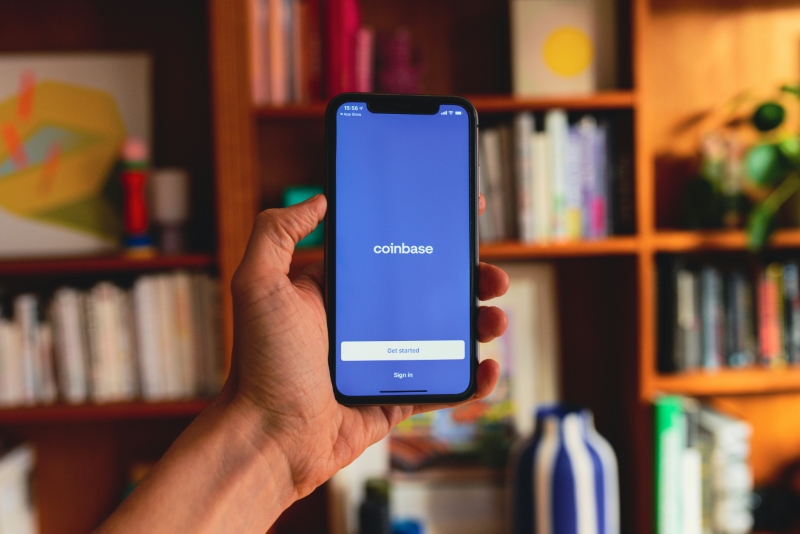
Clients are increasingly aware of crypto and may ask if they “should” invest. This surging demand is driven partly by media excitement and partly by FOMO (fear of missing out). But the reactions to crypto’s rollercoaster ride vary widely.
Some advisors report “mixed bags” of returns - with clients facing losses from panic selling during downturns, especially after the 2022 crypto slump[4]. Others who held “blue chip” coins like Bitcoin and Ethereum weathered the storm better[4].
Advisors must educate clients to:
- Focus on long-term investment horizons, not quick flips.
- Avoid “chasing the latest meme coin” and instead look toward reputable assets.
- Set realistic expectations about volatility and possible drawdowns.
That emotional coaching is as important as the technical advice because successful crypto investing is as much about mindset as it is about strategy.
?️ Practical Tips for Advisors Navigating Crypto

- Develop and document a clear crypto investment policy for each client, aligning with their goals and risk levels.
- Educate clients regularly on the dynamic nature of crypto markets and regulations. Use visual aids to explain markets’ volatility.
- Incorporate risk management tools like stop-loss orders or position limits to protect portfolios.
- Leverage technology: modern portfolio management software increasingly includes crypto integration.
- Collaborate across disciplines - work closely with tax professionals and compliance experts to mitigate regulatory risks.
- Start small but strategic: introduce crypto as a modest part of the portfolio and increase allocations as client comfort grows.
- Stay updated on news: participate in crypto-specific forums (that respect community standards), subscribe to trusted newsletters, and attend expert webinars.
? Personal Insights - Why Crypto Is a Must-Know Yet Cautious Field for Advisors
Talking crypto with clients is like discussing a fast-moving, sometimes unpredictable adventure story. While the headline-grabbing volatility grabs eyeballs, the ongoing maturation of crypto markets can’t be ignored. In my experience, clients who understand the “why” behind crypto allocations stick with their investments through waves of turbulence and reap rewards.
Advisors who cling to outdated views risk losing client trust and relevance in a world where digital assets grow more interconnected with traditional finance each year. But neither should advisors jump in headfirst. The best approach is measured, well-informed, and transparent-always prioritizing the client’s long-term financial health.
Navigating strategy, regulation, and client demand in crypto is less about predicting the next explosive coin and more about weaving this asset class into a coherent, resilient investment framework that adapts as the landscape evolves.
So, what’s your take? Are you ready to rethink crypto as an essential part of your advisory toolkit-or is it still too wild a ride?
Crypto for Advisors
Crypto Regulation
Crypto Investment Strategy
Sources:
[1] https://www.businessinsider.com/how-much-crypto-investment-portfolio-bitcoin-ric-edelman-btc-advisor-2025-7[2] https://www.schwab.com/learn/story/how-to-invest-cryptocurrency-beginners-guide
[4] https://www.financial-planning.com/news/few-clients-hold-cryptocurrency-advisors-say
[5] https://bitwiseinvestments.com/crypto-market-insights/the-bitwise-vettafi-2025-benchmark-survey