
Why Everyone’s Buzzing About Bitcoin Yield Funds (and What It Means for Your Passive Income)
Alright, let’s get real for a minute: You’ve heard about Bitcoin yield funds and how they’re suddenly shaping the passive income game in crypto. But what’s the real deal? Why are these shiny new funds making waves, and why should you, as a savvy investor, pay attention? If you’re curious about what new Bitcoin yield funds signal for passive crypto income, stick around - because this isn’t your grandpa’s boring savings account. We’re talking about fresh strategies that actually grow your Bitcoin stash without you having to sell a single satoshi.
Key Takeaways
New Bitcoin yield funds let investors earn 8-10% returns paid out in Bitcoin by leveraging arbitrage and options strategies - no BTC selling required.
Institutional-grade funds like Sygnum’s BTC Alpha Fund and Coinbase’s Bitcoin Yield Fund emphasize regulatory compliance and risk control, signaling maturing crypto markets.
Bitcoin-denominated funds mark the rise of a parallel financial ecosystem where BTC isn’t just an asset but also a yield-producing currency.
Market mechanics like BTC dominance cycles, liquidation cascades, and volatility directly impact yield fund performance - understanding these can separate winners from losers.
For crypto newbies and veterans alike, these yield vehicles represent a big shift: passive BTC income with structural safeguards previously unseen in DeFi or CeFi lending.
Subscribe to our Social Media for Exclusive Crypto News and Insights 24/7!
? Sygnum’s BTC Alpha Fund: Yield Without the Sell-Off
Imagine a fund that hands you back Bitcoin while letting your original BTC keep riding the price waves. That’s what Sygnum’s BTC Alpha Fund does. Launched by a Swiss digital asset bank, this beast targets an 8-10% Bitcoin yield through clever arbitrage - basically, exploiting price differences across markets, not selling coins for fiat to pay returns to investors[1].
Why does that matter? Because most traditional yield strategies force you to cash out BTC into dollars or stablecoins to pay interest, eroding your BTC exposure. Sygnum’s fund flips that model on its head. You stay long on BTC, the fund’s trading side (run by Starboard Digital) hustles for yield in the background, and your Bitcoin stack grows over time. Plus, it’s institutional-grade, domiciled in Cayman Islands, with monthly liquidity windows and top-notch risk controls. No shady business here.
? Coinbase Bitcoin Yield Fund: Learning from the Past, Playing it Smart
Remember BlockFi and Celsius? They promised Bitcoin yield but ended up in regulatory firefights or bust, causing quite a mess for investors. Coinbase’s Bitcoin Yield Fund (CBYF) is the ‘grown-up cousin’ here, avoiding risky lending models and focusing on institutional-friendly methods like basis trading, which basically banks on maintaining price differentials between BTC futures and spot markets to generate returns of around 4-8%-paid in BTC, obviously[2].
Institutional-only, cold-storage heavy, and built with compliance in mind, CBYF signals a maturing crypto finance landscape where regulators and investors both win. Less moonshot, more measured gains.
? Bitcoin-Denominated Funds: The New Frontier of Crypto Wealth
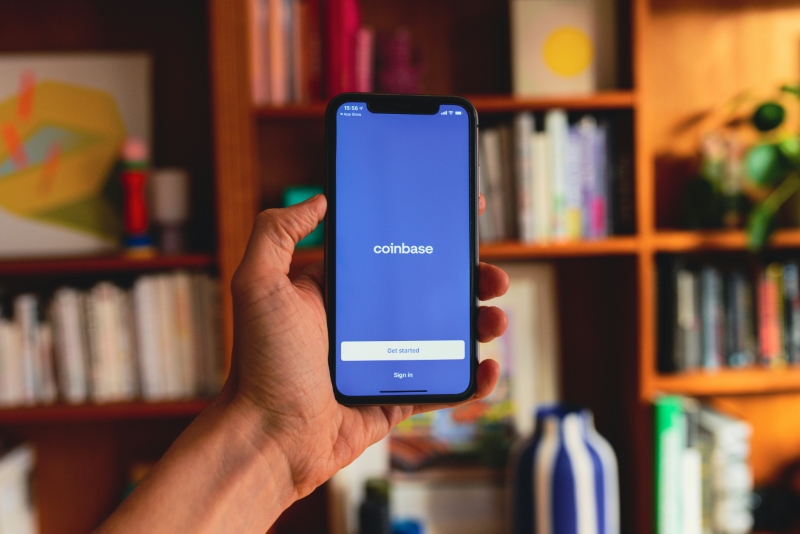
Bitcoin funds that pay yield in Bitcoin rather than fiat have been gaining steam. Why? They allow investors to remain long BTC while still earning a passive return - effectively compounding your BTC hoard. This concept is more than savvy investing; it’s a glimpse at a parallel Bitcoin-centric financial world[3].
The catch? Operational risks are very much real. You’ve got counterparty risk, custody vulnerabilities, and tech failures lurking, given the crypto space’s wild and woolly history. That’s why it’s crucial to vet fund managers thoroughly, reviewing audit documents, regulatory statuses, and operational policies before you throw your coins into the mix.
️ Deep Dive: Market Mechanics Behind Bitcoin Yield Funds

Think of Bitcoin yield funds like well-oiled machines - but those machines have to weather the same storms as the rest of the market. The ADX (Average Directional Index) readings tell us if Bitcoin is in a strong trend or just flailing sideways - crucial info since arbitrage and options strategies thrive on volatility and direction[1][5].
You’ve probably seen Bitcoin dominance cycles in action: BTC’s market share surges, then altcoins take over, often pulling large liquidity. These cycles impact the performance of Bitcoin yield strategies significantly - less BTC dominance usually means more volatile markets and richer arbitrage opportunities, but also higher risk in liquidation cascades when things flip[3].
Speaking of liquidations, remember May 2021’s brutal liquidation cascade? BTC didn’t just drop; it swan-dived through supports, triggering a domino effect of forced selling that slashed derivatives worth billions. Bitcoin yield funds that sold put options or held long perpetuals during that event either took a hit or profited depending on their hedging - highlighting why an active risk framework is essential[5].
? Real Talk: What This Means for You and Your Bitcoin Stash
Let me share a quick story. Back in 2022, I held Cardano (ADA) through a brutal 60% dump. Felt like watching your favorite team choke in the final second. But that crash also taught me to value yield in a bear market - because price pumps aren’t guaranteed, but steady yield can keep your portfolio afloat.
Bitcoin yield funds could be your friend here. Instead of praying for the next Bitcoin bull run, you get passive income while holding - compounding your stack. But don’t get it twisted; these funds are not “set and forget.” Understanding the underlying market conditions, yield generation mechanisms (arbitrage, options premiums, smart contract vaults), and risk management is key.
One expert I chatted with called this “the dawn of Bitcoin-as-a-currency rather than just a speculative asset,” highlighting that these funds may usher in a parallel crypto financial system, using BTC itself as collateral to create sustainable yield products[3].
? Wrapping It With a Bow: Why Bitcoin Yield Funds Matter
Yield funds made to pay in Bitcoin are responding to demand for true BTC accumulation strategies.
Institutional-grade structures (like Sygnum and Coinbase’s funds) show crypto finance leveling up in maturity and compliance.
Market dynamics - volatility, dominance, liquidations - are not just charts to stare at but actionable inputs affecting fund performance.
For investors tired of “HODLing dry” or chasing risky DeFi schemes, yield funds offer a smoother ride with measurable returns.
So, if you’ve been wondering how to crank up your passive crypto income without resorting to sketchy lending or sacrificing your Bitcoin core position, these funds might just be your best shot right now. Just remember to keep your eyes wide open, do your homework, and never put all your sats in one basket.
FAQs About What New Bitcoin Yield Funds Signal for Passive Crypto Income
Q1: What exactly are Bitcoin yield funds, and how do they work?
A1: Bitcoin yield funds are investment vehicles that generate returns primarily paid in Bitcoin. They typically use trading strategies like arbitrage, options selling, or lending (with caution) to produce a yield without selling the underlying Bitcoin holdings.
Q2: Why is paying yield in Bitcoin instead of fiat important?
A2: Yield paid in Bitcoin helps investors grow their BTC stack rather than converting gains into fiat, preserving exposure to Bitcoin’s price upside and compounding holdings over time.
Q3: How do market factors like BTC dominance and volatility affect Bitcoin yield funds?
A3: Changes in BTC dominance influence liquidity and price volatility, impacting arbitrage opportunities and option premiums. High volatility usually improves yield potential but increases risk.
Q4: Are Bitcoin yield funds safe compared to DeFi or CeFi lending platforms?
A4: While no investment is risk-free, institutional-grade Bitcoin yield funds tend to have stricter risk controls and regulatory oversight compared to many DeFi or CeFi lenders, which have faced solvency issues in recent years.
Q5: Can beginners get involved in Bitcoin yield funds or are they just for institutions?
A5: Most current Bitcoin yield funds target institutional investors due to minimum investment sizes and compliance requirements, but the growing demand may lead to more accessible products for retail investors soon.
bitcoin passive income
crypto yield funds
bitcoin investment strategies
- https://coincentral.com/sygnum-launches-fund-to-boost-bitcoin-yield-without-selling/
- https://cointelegraph.com/learn/articles/what-is-the-coinbase-bitcoin-yield-fund
- https://www.henleyglobal.com/publications/crypto-wealth-report-2025/rise-bitcoin-denominated-funds
- https://www.xbto.com/resources/what-is-yield-generation-in-crypto-a-beginners-guide-to-earning-passive-income-2025
- https://www.xbto.com/resources/crypto-options-trading-a-new-way-to-generate-yield-2025