
Could Blockchain-Powered Stock Trading Finally Flip Traditional Markets on Their Heads? ?
When the U.S. Securities and Exchange Commission (SEC) recently announced plans to allow blockchain-powered stock trading, it triggered buzz across Wall Street and crypto circles alike. We’re talking about tokenized stocks trading 24/7 on crypto exchanges, settlements happening near-instantly thanks to blockchain, and dramatically more accessible markets-and that’s just the tip of the iceberg. But what exactly does this mean for traditional financial markets and the crypto ecosystem? Could blockchain-powered stock trading disrupt the status quo or simply become a new tool in the evolving financial toolbox? Let’s unpack it in detail.
Key Takeaways: What You Need to Know About Blockchain Stock Trading ?
- The SEC’s 2025 initiative enables tokenized stocks to trade on approved cryptocurrency exchanges, aiming for faster, more efficient, and democratized markets[1][2].
- Crypto-native platforms like Coinbase, Robinhood, and Kraken are already pioneering tokenized equities, pushing 24/7 global access and fractional ownership[2][4].
- Traditional institutions are both embracing blockchain and resisting it, seeking ways to modernize while protecting their established roles[2][3].
- Blockchain-powered trading offers near-instant settlements and lower costs but raises complex regulatory questions about investor protections[1][6].
- Tokenization is about turning real-world stocks into digital tokens on a blockchain, enabling seamless, programmable transfers without intermediaries[3][4].
Subscribe to our Social Media for Exclusive Crypto News and Insights 24/7!
? Blockchain Meets Stocks: What’s the Big Deal?
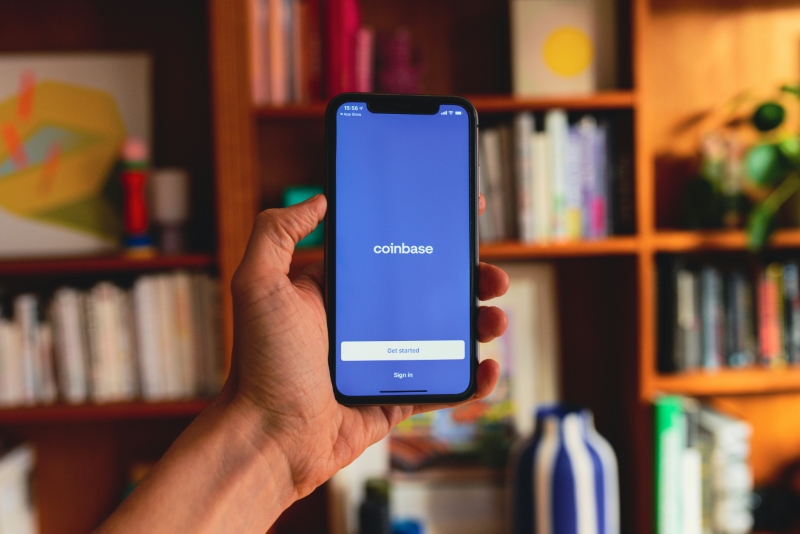
Imagine buying a stock anytime you want-at 3 am or during holidays. Blockchain enables tokenized stocks: digital tokens that represent shares, stored securely on a blockchain. The SEC’s recent greenlight signals a major overhaul for stock trading, allowing these tokens to be bought and sold on regulated cryptocurrency exchanges, breaking the chains of traditional market hours and settlement delays[1].
In the current traditional market setup, stock ownership transfers can take days with multiple middlemen-exchanges, clearinghouses, custodians-all adding time and costs. Blockchain disrupts this by making settlement nearly instantaneous and cutting out layers of intermediaries, which not only saves money but could reduce risks like counterparty failures[1][3].
? What This Means for the Crypto Market

For crypto investors and platforms, the SEC initiative is a massive vote of confidence and a game-changer. Platforms like Coinbase are racing to offer tokenized stock trading, creating hybrid markets where crypto meets equity investing[2][4]. Robinhood has launched tokenized stocks internationally, while Kraken’s tokenized Apple stock (xAAPL) illustrates crypto’s ability to fractionalize giant corporations’ equities[2].
This convergence supercharges crypto’s relevance: it’s no longer just speculative digital tokens but a bridge connecting traditional financial assets to decentralized systems. More tokenization means a bigger market, more liquidity, and new products that can attract institutional investors who previously stayed away from purely crypto-native assets[4].
? The Wall Street Balancing Act: Adapt or Resist?

Wall Street’s response is a mix of adoption and caution. Nasdaq’s push to tokenize stocks shows incumbents see blockchain as an opportunity to innovate, not just a threat[2]. JPMorgan is exploring tokenizing assets beyond stocks, even carbon credits, betting on blockchain’s broader impact[2]. Yet traditional clearinghouses fear losing their settlement monopoly and revenue, while some industry groups criticize blockchain stocks for lacking investor safeguards equivalent to traditional systems[2].
Regulators face the formidable task of ensuring blockchain’s benefits don’t come at the cost of investor protections. Proposals in 2025 aim to clarify crypto asset regulations and create “innovation exemptions” for DeFi protocols-but tensions remain over how best to regulate a hybrid financial landscape[6].
? Tokenisation: The Nuts and Bolts Explained

Tokenisation converts a traditional asset (like a stock) into digital tokens on a blockchain, each holding a fraction of ownership with unique cryptographic identifiers and easy transferability[3]. Unlike a PDF you send by email (just a copy), blockchain tokens represent original, traceable ownership that can’t be duplicated or faked.
This demands a hybrid trading model that combines the familiarity of traditional securities trading with blockchain’s real-time settlement and transparency-which many new trading venues are developing[3].
? Practical Tips for Investors Interested in Blockchain Stock Trading:
- Stay Informed: Regulatory landscapes are evolving rapidly. Keep abreast of SEC announcements and platform developments.
- Choose Trusted Platforms: Start with well-established crypto-native brokers offering tokenized stocks, like Coinbase or Robinhood, who comply with regulatory frameworks.
- Understand Risks: Tokenized stocks carry market risks similar to regular stocks, but also risks tied to blockchain tech and custody-make sure you understand custody and security protocols.
- Diversify: Tokenization allows fractional ownership, so use this to diversify your portfolio more granularly across stocks and ETFs.
- Watch Infrastructure: Look for platforms partnering with established exchanges or using reputable blockchain protocols to ensure stability and liquidity.
? Personal Insights: The Crypto Analyst’s Take
As someone who watches the crossroads of crypto and traditional finance closely, I see blockchain-powered stock trading not merely as a novelty but as the next evolutionary leap in capital markets. The ability to democratize access (anytime, anywhere), speed up settlements, and lower costs aligns perfectly with what crypto promised: disintermediation and inclusion.
However, this revolution won’t be without bumps. Regulatory frameworks, market fragmentation, liquidity challenges, and skepticism from entrenched players all pose risks. But the momentum is undeniable: over $24 billion of real-world assets are already on public blockchain networks, and major players from BlackRock to JP Morgan are onboard[4].
In the end, tokenized stocks could empower retail investors and crypto users by merging the best of both worlds-traditional asset value with decentralized market tech. The question now isn’t if blockchain disrupts stock trading, but when and how deeply. And as the lines blur, crypto markets may mature faster and gain new legitimacy.
? So, will blockchain-powered stock trading disrupt traditional markets or just coexist as a new player? Are you ready to embrace a future where stock markets never sleep, settlement occurs at the speed of code, and your portfolio is a mix of tokens on a ledger? It’s an exciting, uncertain frontier and one worth watching closely.
References with Useful Links for Further Reading:
For those wanting to dive deeper into this fascinating shift, here are key articles that explore the SEC’s plans, platform developments, and the broader tokenization landscape:
Sources:
[1] https://markets.financialcontent.com/stocks/article/marketminute-2025-10-2-sec-greenlights-blockchain-stock-trading-a-paradigm-shift-for-financial-markets
[2] https://www.ainvest.com/news/sec-blockchain-based-stock-initiative-era-market-power-shifts-crypto-native-platforms-wall-street-giants-2510/
[3] https://www.db.com/what-next/digital-disruption/tokenised-economy/lidia-kurt-boerse/index?language_id=1
[4] https://panteracapital.com/blockchain-letter/the-great-onchain-migration/
Explore these key topics below:
blockchain-powered stock trading
tokenized stocks
SEC blockchain initiative