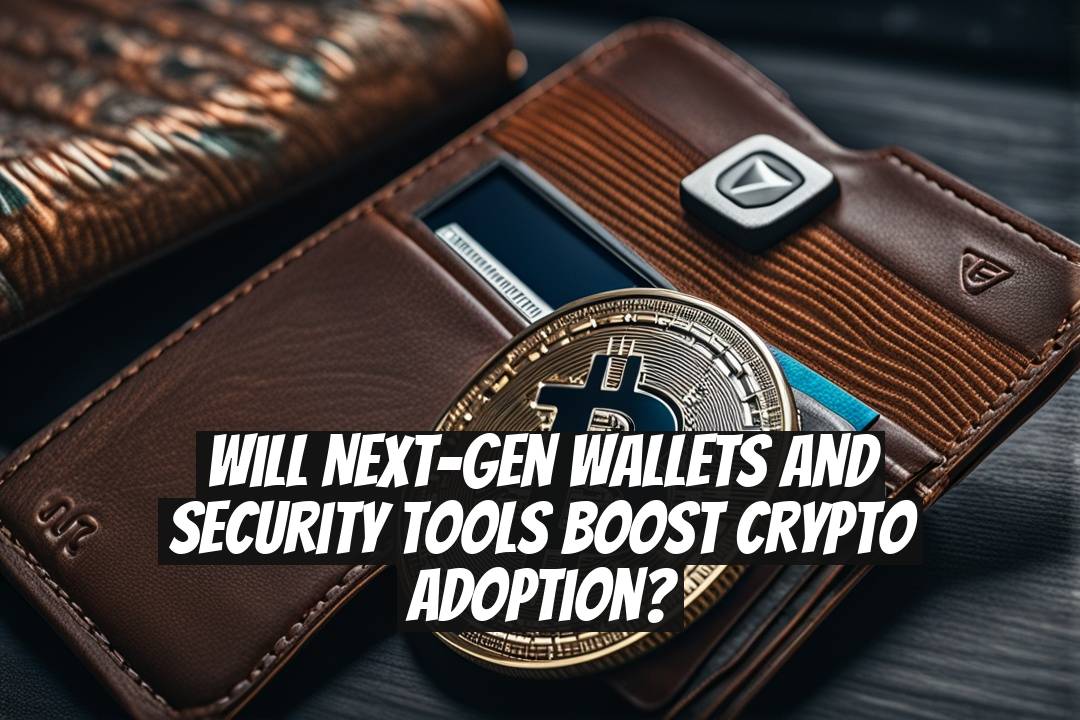
? Are Next-Gen Wallets the Missing Link to Mass Crypto Adoption?
It’s 2025, and the crypto market is buzzing-decentralized finance (DeFi), NFTs, and cross-chain interoperability are more than just buzzwords; they’re the backbone of a financial revolution. Yet, for all the technological leaps, the average person still hesitates before diving in. The barriers? Fear of losing funds, clunky onboarding, and “what if I mess up?” anxiety. Enter the next-generation crypto wallets and security tools-feature-packed, user-friendly, and designed to demystify digital asset management. The burning question is, will these innovations finally break the dam and unleash a tidal wave of mainstream crypto adoption, or are we still one upgrade away?
What’s clear is that the crypto wallet is no longer just a digital piggy bank. Today’s solutions-like hardware wallets, multi-chain wallets, and account abstraction-come packed with social recovery, biometric security, readable transaction signatures, and even programmable security rules. And with mainstream financial players and everyday consumers watching, these upgrades could be the ultimate gateway for the hesitant majority.
? Key Takeaways - What’s Hot in Next-Gen Crypto Wallets
Subscribe to our Social Media for Exclusive Crypto News and Insights 24/7!
- Security Goes Social: Social recovery and distributed backups mean losing a seed phrase isn’t the apocalypse[1].
- Hardware Evolves: Beyond cold storage, hardware wallets are now personal security hubs with readable, multi-factor, and privacy-first features[1].
- App-Like Experience: Wallets are becoming all-in-one portals-buy, swap, stake, view NFTs, and manage identities, all from your phone[3].
- No-Tech? No Problem: Seedless onboarding, gasless transacting, and intuitive interfaces are targeting the crypto-curious, not just the crypto-savvy[3].
- Interoperability Rules: Supporting thousands of coins and networks, the next-gen wallet is a Swiss Army knife for digital assets[2][6].
? The Evolution of Crypto Wallets: From Vaults to Versatile Portals
Remember when a “wallet” meant a clunky USB stick or a barely usable mobile app? Those days are fading fast. The new wave-MetaMask, Rabby, Phantom, Zerion, Keplr, Bitget, Ledger Nano X, Trezor, and even Coinbase-are morphing into something closer to your favorite banking app, but with superpowers[3][4][6]. They’re not just holding your Bitcoin or Ethereum; they’re gateways to DeFi protocols, NFT marketplaces, DAO governance, and cross-chain swaps, all wrapped in a slick, intuitive interface.
The hardware wallet, once the staid guardian of “not your keys, not your coins,” is now a portable, durable, and-dare I say-fashionable gadget. Some even fit into everyday accessories via NFC or Bluetooth, making them both secure and convenient for daily use[1]. Meanwhile, high-value assets still sit behind the iron curtain of cold storage, protected by advanced chips that resist tampering-think EAL6+ certified, water-resistant, and firmware audited for peace of mind[1][6].
But the real game-changer is the shift from “just store it” to “manage it with confidence.” Wallets today offer readable smart contract signatures-so you can see exactly what you’re approving before you sign-and multi-factor authentication for critical actions, all while keeping your biometric data local, not floating around on-chain[1]. This is a big deal for trust: you can verify, not just hope. And if disaster strikes, social recovery means a trusted group can help you restore access, not a central authority[1][3]. That’s what I call putting the “personal” back in personal finance.
? Security Tools: The Silent Guardians of Crypto’s Future

Let’s not kid ourselves-security scares are the number one reason ordinary folks still keep their crypto at arm’s length. Phishing, hacks, lost keys, accidental transfers-the horror stories are everywhere. That’s why the security toolkit is evolving just as fast as the wallets themselves.
Take MPC wallets (multi-party computation): there’s no single point of failure, because your private key is split and never fully assembled in one place[3][5]. Or consider 3-factor-authentication recovery, where even if you lose your device, seed phrase, and password, you can still get back in[6]. Tools like Kerberus Sentinel3 block scam sites in real time, SecureWatch detects threats the instant they emerge, and SecureTrace uses AI for blockchain forensics[5]. These aren’t just add-ons; they’re mission-critical for anyone who wants to sleep at night.
And for those who’ve made a mistake? Crypto Recovery and Web3 Recovery tools are popping up, offering a safety net for accidental sends or lost credentials-something unheard of a few years ago[5]. The message is clear: crypto can be safe, and it can be user-friendly. It doesn’t have to be both scary and complicated.
? Interoperability and the Multi-Chain Future
A major pain point for crypto adoption is fragmentation. Different chains, different tokens, different wallets-until recently, managing a diversified portfolio felt like juggling live wires. But next-gen wallets are breaking down those walls. Rabby, Zerion, Keplr, and the rest aren’t just for Ethereum or Bitcoin; they’re multi-chain, multi-wallet beasts that let you swap, stake, and interact across ecosystems without switching apps[3][6].
This is huge for adoption. Imagine being able to manage your Bitcoin, Ethereum, Solana, and even obscure meme coins all in one place, with one identity and one security model. That’s the world next-gen wallets are building. And with account abstraction, even gas fees and transaction complexity get abstracted away, making the user experience as smooth as Venmo-only decentralized[3].
?? For the Non-Technical User: Removing the Friction
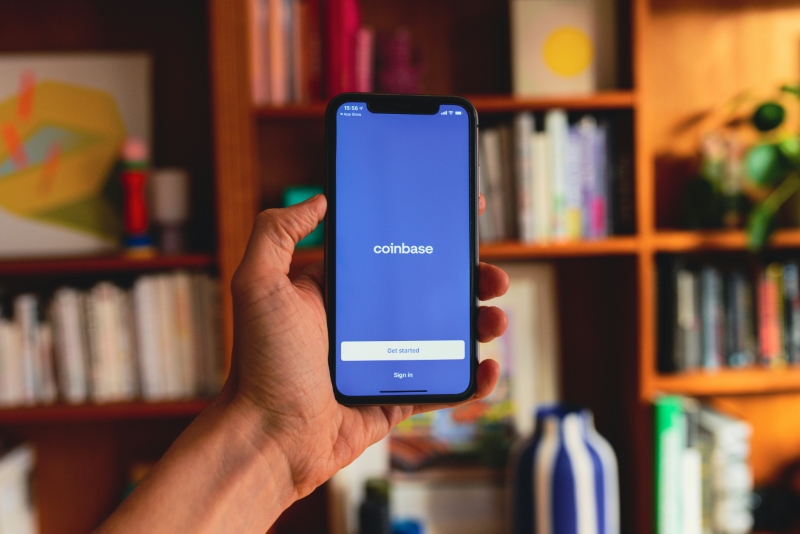
Let’s be honest-most people aren’t crypto geeks. They don’t want to manage seed phrases, navigate Byzantine dApp interfaces, or worry about losing everything if they misplace a piece of paper. Next-gen wallets are laser-focused on this group.
Seedless onboarding via MPC means you can create a wallet without ever seeing a 24-word phrase[3]. Biometric logins (Face ID, fingerprint) add familiarity and speed. Social recovery removes the fear of permanent loss. And programmable security lets you set rules-like daily spend limits or whitelisted addresses-so you can sleep easy even if your device is compromised[1][3]. For the first time, crypto is genuinely accessible to the “just show me how it works” crowd.
? Practical Tips for Navigating the Next-Gen Wallet Landscape
If you’re an investor, newcomer, or just crypto-curious, here’s how to make the most of these tools:
- Balance Security & Convenience: Use a hardware wallet for large holdings and a feature-rich mobile wallet for daily transactions. Trezor and Ledger Nano X are top picks for security, while Exodus and MetaMask offer great all-in-one experiences[2][4][6].
- Embrace Multi-Chain: Choose a wallet that supports the chains and tokens you care about. Rabby, Zerion, and Keplr are leading the pack for multi-chain DeFi and NFT management[3].
- Leverage Recovery Tools: Before you invest, make sure your wallet has social recovery, MPC, or 3-factor authentication. Losing access shouldn’t mean losing your life savings[1][3][6].
- Stay Informed: Security tools like SecureWatch and Kerberus Sentinel3 can help you spot scams before they bite. Use them.
- Think Beyond Storage: Your wallet is now your gateway to the entire Web3 world-staking, swapping, trading, and even identity management. Pick one that grows with your needs.
? My Take: Are We There Yet?
As someone who’s watched crypto evolve from a niche hobby to a global movement, I’m genuinely excited by the progress. Next-gen wallets and security tools are closing the gap between the crypto elite and the mainstream. The technology is maturing, the interfaces are cleaning up, and the safety nets are multiplying. The result? A foundation that’s finally sturdy enough for mass adoption.
But challenges remain. Interoperability, while improving, is still patchy. Scams and social engineering are rampant. And let’s face it-not everyone is ready to self-custody their wealth, no matter how slick the app. The next leap forward will come when the average person can use crypto without even realizing they’re “using crypto”-when it’s as invisible and reliable as debit cards or PayPal.
That future is closer than ever, but we’re not all the way there. The tipping point may hinge on a killer app, a breakthrough in regulatory clarity, or just a cultural shift in how we think about money. In the meantime, the best advice is to experiment, to secure, and to keep learning.
So… What’s Stopping You?
Imagine a world where your crypto wallet is as instinctive as your email, your transactions as safe as your bank, and your assets as flexible as your smartphone. That’s the promise of next-gen wallets and security tools-and the crypto market is betting big on this version of the future. But I want to hear from you: has your wallet caught up with your expectations, or are you still waiting for a magic bullet? What would it take for you-or someone you know-to take the crypto plunge with confidence?
hardware wallet
multi-chain wallet
account abstraction
1 https://onekey.so/blog/ecosystem/hardware-wallet-trends-7-emerging-needs-for-next-generation-crypto-asset-management-2025/
2 https://www.antiersolutions.com/blogs/next-gen-crypto-wallets-top-picks-for-100x-roi-in-2025/
3 https://www.rocketx.exchange/blog/best-crypto-wallets-2025/
4 https://www.tokenmetrics.com/blog/best-crypto-wallet-a-comprehensive-guide-for-2025?74e29fd5_page=2%3Fref%3Dzjm1ywi
5 https://www.alchemy.com/dapps/best/wallet-security-tools
6 https://money.com/best-crypto-wallets/