
The Crypto Vote: How Digital Assets Are Shaping Political Campaigns
In the world of politics, a new player has emerged: cryptocurrency. It’s no longer just a financial tool; it’s a political lever. The influence of crypto on voter engagement is becoming increasingly evident, especially with the approach of the 2026 elections. Candidates who embrace crypto policies might tap into a significant voting bloc, as around 50 million Americans claim to be crypto enthusiasts[1]. This integration of cryptocurrency into political campaigns isn’t just about fundraising; it’s about reshaping political platforms and appealing to a tech-savvy demographic.
Key Takeaways:
- Crypto Voter Engagement: Crypto policies are becoming a crucial factor in voter decision-making, particularly among younger and tech-oriented individuals.
- Political Influence: The crypto industry is actively lobbying and funding campaigns, which could significantly impact election outcomes.
- Market Dynamics: The use of crypto in politics introduces both opportunities for engagement and challenges related to transparency and security.
Subscribe to our Social Media for Exclusive Crypto News and Insights 24/7!
? Leveraging Crypto for Political Gain
Imagine a campaign where donors can contribute in Bitcoin or Ethereum, and the funds are instantly visible on a blockchain. This isn’t just a futuristic dream; it’s happening now. Politically affiliated meme coins have become a new tool in the political landscape, allowing campaigns to reach demographics that were previously untapped[6].
Crypto in Campaign Finance: In 2024, crypto companies contributed 48% of corporate money donated to influence federal elections, marking a significant increase from previous years[2]. This financial clout is expected to grow, as major players like Coinbase pour millions into pro-crypto candidates[1].
PolitiFi and Meme Coins: During the 2024 US elections, PolitiFi coins like MAGA and BODEN became ways for supporters to express their political opinions through trading behavior. For instance, when there was an assassination attempt on Trump, Republican-affiliated coins saw a significant rise[3].
? Market Insights

When you look at the broader crypto market, it’s clear that the influence of political campaigns on cryptocurrency prices can be substantial. For example, during major political events, спів correlations between cryptocurrency prices and political sentiment can be observed.
Let’s consider Bitcoin’s price movements during the 2024 election cycle. While Bitcoin didn’t directly react to every political announcement, overall market sentiment was influenced by the broader economic and political climate. This can be seen in the volatility of Bitcoin prices on platforms like CoinMarketCap or TradingView.
? The Future of Crypto in Politics
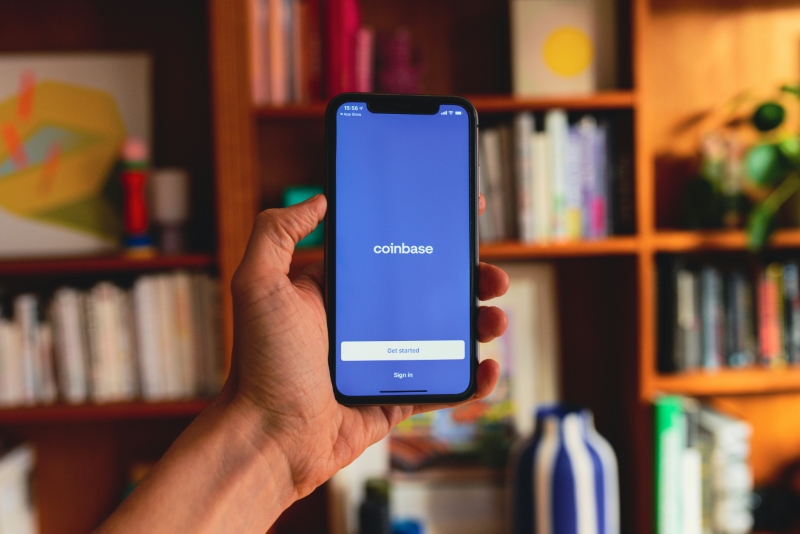
As the crypto industry continues to mature, its integration into politics is likely to escalate. This raises questions about the transparency and security of campaign finance. However, it also presents opportunities for greater voter engagement and more innovative political platforms.
Regulatory Challenges: The rapid evolution of crypto regulations poses a challenge for political campaigns. They must navigate complex legal environments while ensuring compliance with financial transparency laws. Insiders note that crypto regulation is a double-edged sword: it can protect investors but also stifle innovation[4].
Opportunities for Engagement: Despite the challenges, crypto can offer unparalleled engagement opportunities. Imagine a campaign where supporters can back their candidates with decentralized finance (DeFi) tools, creating a more inclusive and transparent political process.
? Historical Examples

Back in 2021, during the crypto bull run, we saw how political sentiment could influence market trends. For instance, when certain regulations were proposed, crypto prices would react negatively. This dynamic is not unique to crypto; it’s similar to how traditional financial markets respond to political news.
A trader I spoke to said this looked eerily like the 2021 blow-off top, where political and regulatory announcements could swing market sentiment. The difference now is that crypto is more deeply intertwined with political discourse.
? Expert Insights
Ron Hammond, Senior Director of Government Relations at the Blockchain Association, notes that political campaigns have underestimated the crypto community’s engagement. "We thought folks wouldn’t turn out just for crypto, but we were wrong. The grassroots support was there, and it was a force to be reckoned with,” he said, highlighting the importance of not underestimating the mobilization power of crypto enthusiasts[4].
This level of engagement is not just about voting; it’s about shaping policy. Candidates who embrace crypto-friendly policies might find themselves at the forefront of a significant demographic shift in voter engagement.
? Conclusion
The integration of cryptocurrency into political campaigns is a complex phenomenon. It offers new avenues for voter engagement and fundraising but also poses challenges related to transparency and security. As we move forward into the 2026 elections, it will be interesting to see how campaigns leverage crypto to reshape their platforms and appeal to a broader, tech-savvy audience.
FAQs on Crypto in Political Campaigns
Q1: How are political campaigns using cryptocurrency?
A1: Political campaigns are using cryptocurrency primarily for fundraising and voter engagement. Crypto donations provide a new avenue for contributions, and campaigns can leverage blockchain for transparency. Moreover, crypto policies have become a key part of political platforms, especially appealing to younger voters.
Q2: What are the benefits of using crypto in political campaigns?
A2: The benefits include increased transparency due to blockchain technology, the ability to tap into a large demographic of crypto enthusiasts, and innovative fundraising methods. However, it also introduces challenges related to regulatory compliance and potential misuse.
Q3: How does crypto influence voter turnout?
A3: Crypto can influence voter turnout by appealing to younger, tech-savvy voters who prioritize crypto policies. Candidates who support favorable crypto regulations might see an increase in support from this demographic.
Q4: What are PolitiFi coins, and how do they relate to political campaigns?
A4: PolitiFi coins are cryptocurrencies linked to political campaigns or figures. They allow supporters to express their political opinions through trading behavior, effectively becoming a tool for mobilization and engagement.
Q5: How does the crypto industry influence political campaigns financially?
A5: The crypto industry influences political campaigns through significant financial contributions. Crypto companies have become major donors to political action committees (PACs), backing candidates who support pro-crypto policies.
Q6: What are the regulatory challenges faced by political campaigns using crypto?
A6: The main regulatory challenges include ensuring financial transparency and compliance with evolving crypto regulations. This can be complex, as regulations are still developing and vary by jurisdiction.
cryptocurrency in politics
crypto regulations and elections
crypto voter engagement
- https://www.onesafe.io/blog/impact-cryptocurrency-political-engagement-2026-elections
- https://www.trmlabs.com/resources/blog/the-crypto-election-crypto-disinformation-and-presidential-politics
- https://e3.eurekalert.org/news-releases/1071905
- https://pentagroup.com/insight/bitcoin-crypto-legislation-2025-
- https://www.skadden.com/insights/publications/2025/08/the-informed-board/the-informed-board
- https://www.concordia.ca/cunews/stories/2025/01/28/crypto-issues-and-voter-outreach-energized-politifi-into-relevance-in-2024-according-to-concordia-researchers.html