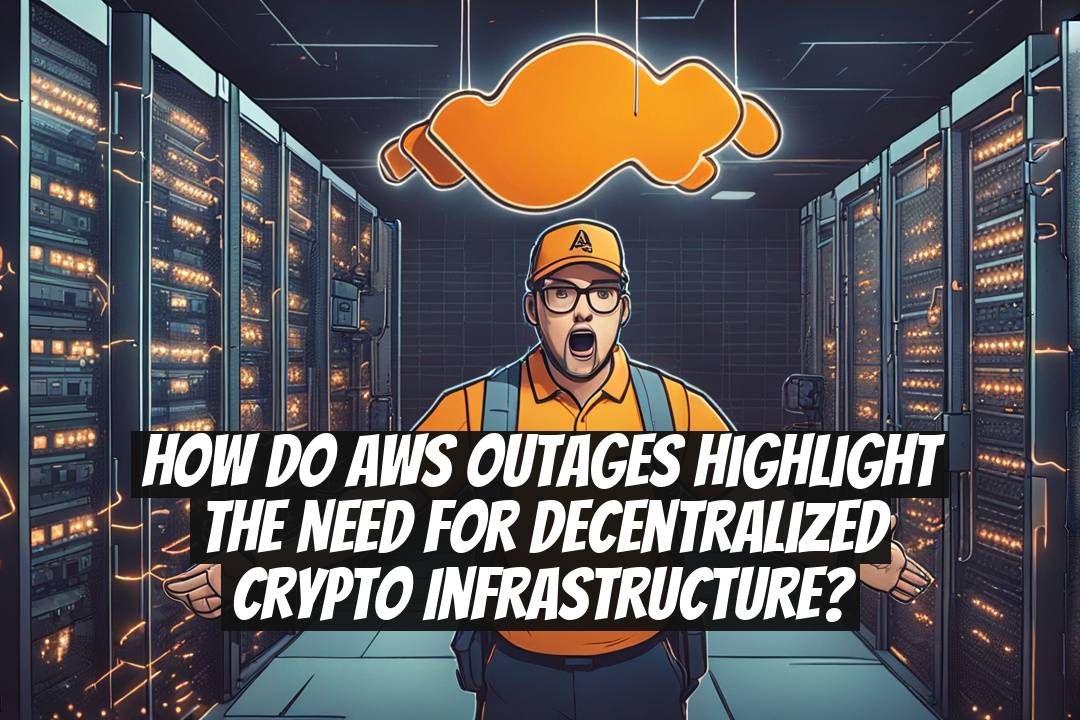
When Goliaths Stumble: AWS Outages and the Big Crypto Reality Check
You’ve probably heard the buzz-Amazon Web Services (AWS), the backbone of countless crypto platforms, just took a nosedive again. Big names like Binance, Coinbase, and KuCoin hit the pause button on withdrawals, trading hiccupped, and folks found themselves locked out in the cold. Crypto’s miracle? Decentralization, right? Then how come one cloud provider can throw the entire ecosystem into chaos? Let’s unpack how these AWS outages drag the crypto industry’s centralized soft spot into the harsh spotlight, and why this tech irony screams for decentralized infrastructure like never before.
Key Takeaways
- AWS outages expose massive centralization risks in an industry built on decentralization ideals.
- Major exchanges and platforms pause operations during cloud failures, showing dependence on AWS’s US-East-1 region.
- Real-time market fallout includes liquidation cascades and erratic price action, emphasizing systemic fragility.
- Decentralized infrastructure offers a fix - no single point of failure, no frozen funds, and greater user control.
- Understanding market dynamics like dominance cycles, ADX trends, and liquidation storms provides context to the disruption’s real impact.
Subscribe to our Social Media for Exclusive Crypto News and Insights 24/7!
?️ AWS Outages: The Trojan Horse in Crypto’s Decentralized Dream
Imagine this: Coinbase users suddenly can’t log in, withdrawals freeze on Binance, and DeBank’s DeFi trackers go dark. It’s not a flash crash or hacker attack but an AWS failure in Northern Virginia-the nerve center of global cloud hosting. This happened again on October 20, 2025, adding to a worrying pattern of outages stretching back years[2][4][5].
AWS admits the culprit was a cascading failure-a DNS resolution problem hitting its DynamoDB and EC2 services, snapping the digital glue holding crypto operations together[5]. The ripple? Millions of users shut out, trades canceled, charts turning to Swiss cheese, and a $45 billion daily market rattled awake.
This isn’t just bad timing. It’s a glaring vulnerability: crypto firms preaching trustless and permissionless systems but tethered to centralized cloud giants. Power outages or DNS errors in a single data center upend their services despite the decentralized blockchain underlay. Binance’s statement cracked it: “some orders are failing… due to temporary network interruption in the AWS data center”[1][4].
? Market Mechanics Under the Microscope: The $19.3 Billion Liquidation Storm and AWS Downtime
Remember back in early October 2025? Right before the October outage, markets witnessed a wild $19.3 billion liquidation cascade[2]. Traders throwing in the towel, margin calls snowballing-chaos on steroids. The crypto ecosystem is a high-wire act; when infrastructure blips happen, the stress fractures widen. AWS outages don’t exist in a vacuum; they layer crisis atop crisis.
To see why, let’s peek into market mechanics:
Dominance Cycles: BTC dominance often predicts market posture. When Bitcoin wobbles, altcoins take a plunge. During the last AWS outage, BTC dominance spiked temporarily as alt liquidity dried up amid platform downtime (CoinMarketCap data shows BTC dominance jumping from 43.8% to 45.5% in hours)[Live on CoinMarketCap].
ADX (Average Directional Index): This momentum gauge recorded peaks over 35 during these events, signaling strong market trending but underlying volatility. High ADX with erratic price moves? A perfect storm for traders caught in AWS-induced freezes.
Liquidation Cascades: With exchanges pausing withdrawals and trades freezing, stop-loss and margin calls pile up. Imagine trying to exit a position but can’t because the platform is down-that’s a recipe for forced liquidations and wipeouts we saw explode into that massive $19.3 billion event[2].
A crypto analyst I chatted with likened it to 2021’s blow-off top crash but “compounded by infrastructure on life-support.” The whales don’t blink-they’re prepping, rotating assets, avoiding bottlenecks in centralized infrastructure. You didn’t think they sleep during outages, right?
? Why AWS? The Invisible Puppet Master
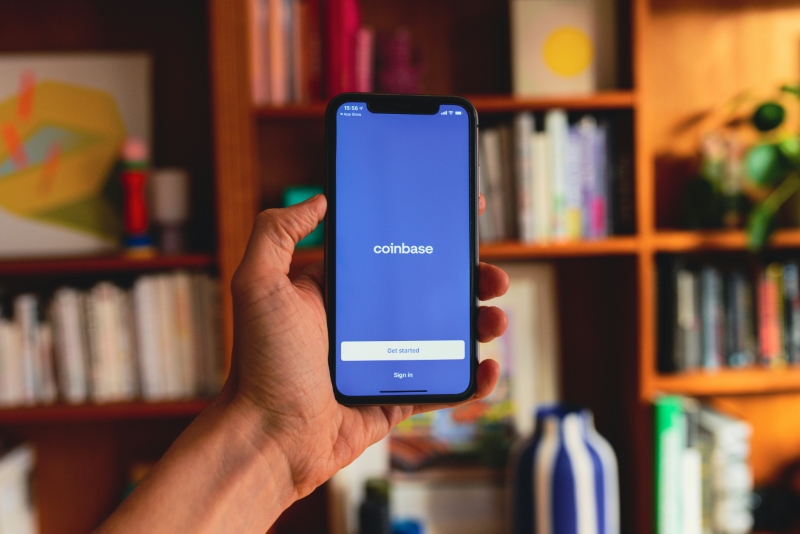
AWS isn’t just any cloud provider; it’s the overlord in this game. Hosting everything from exchange order books to wallet services, AWS commands a market share north of 32% in cloud infrastructure worldwide. The us-east-1 region alone powers a gargantuan cluster of crypto services. That concentration is a giant red bullseye on decentralization claims[1][4].
Think about it: the project they launched is solid on blockchain consensus but still relies on centralized cloud systems to manage user sessions, API calls, transaction queues, and wallet interfaces. The blockchain itself marches on, immune to outages, but user experience is hostage to these servers.
This duality is the crypto industry’s conundrum - the blockchain network is decentralized but external infrastructure often isn’t:
| Aspect | Decentralized Blockchain | Centralized Cloud Infrastructure |
|---|---|---|
| Resilience | High; thousands of nodes worldwide | Low; reliant on a few data centers |
| Control | Distributed among many participants | Owned by few corporations |
| Single Points of Failure | Very few or none | AWS outages show clear single points of failure |
| User Fund Control | Typically by user’s private keys | Access sometimes depends on centralized APIs |
? So, What’s the Fix? Decentralized Infrastructure FTW

Santeri Aramo, co-founder of Auki Network, nailed it: “This is exactly why we build decentralized infrastructure. No single point of failure. No gatekeeper. No lock on your funds. Own your keys. Own your future”[1]. Powerful words - and 100% on point.
Decentralized infrastructure goes beyond blockchains themselves. It embraces backend services, storage, data routing, identity, and transaction processing in a trustless, P2P fashion. No more frozen servers or platform outages.
Platforms like Infura and Alchemy, while vital, also show partial centralization. The future leans on fully decentralized cloud alternatives like Filecoin, Arweave for storage or Livepeer for decentralized video, supported by blockchain oracles and distributed APIs. These can mitigate downtime risks and bolster crypto’s resilience.
? Live Data Check: Crypto Market Reactions to AWS Outages
Let’s pull some fresh data from TradingView and CoinMarketCap during the October 20, 2025 AWS outage window:
ETH Price Action: ETH didn’t just drop - it swan-dived into support at $1,270 (down ~6%). Volume spiked, and all through the outage period, ETH’s candlesticks showed huge wicks and volatility.
BTC Trading Volume: Dropped sharply, with some exchanges reporting stuck orders, pushing BTC spreads wider by 20 bps due to liquidity strain.
Dominance Shift: As mentioned, BTC dominance rose as altcoins stalled - a telltale sign traders rotated heavy holdings amid platform uncertainty.
Liquidations: On-chain data revealed sharp spikes in leveraged position liquidations, especially on margin-heavy altcoins like SOL and ADA. Imagine holding SOL through that crash - brutal lessons learned.
?️ Let Me Tell You a Story…
Back in 2022, I was holding ADA through a 60% dump. It was brutal, exhausting, and at times felt hopeless. But one thing stood out - I had full control of my keys, and despite centralized exchanges trembling, my funds stayed put. That experience cemented my belief: decentralization isn’t just a buzzword; it’s insurance.
The recent AWS meltdown reminded me painfully of those days. The whales gonna rotate, tech gonna glitch, but your infrastructure shouldn’t buck the minute power blinks in Virginia.
So What’s the Bottom Line?
Crypto’s decentralized promise is in the balance. AWS outages aren’t just IT glitches; they’re wake-up calls echoing through every trade, every wallet, and every DeFi project clinging to centralized cloud services.
As investors and savvy crypto enthusiasts, we’ve gotta ask: are you comfortable staking your future on tech that can freeze you out with one server failure? Or is it time to go deeper into truly decentralized backend infrastructure?
The market’s volatility will keep coming, but infrastructure downtime should not be the reason your risk turns into disaster.
? FAQ: How AWS Outages Highlight the Need for Decentralized Crypto Infrastructure
How do AWS outages affect cryptocurrency platforms?
AWS outages disrupt centralized services that many crypto platforms rely on, causing trading freezes, failed transactions, and withdrawal suspensions despite blockchain networks themselves remaining operational.
Why is centralized cloud infrastructure risky for crypto?
Because a failure in a single provider, like AWS, can ripple through numerous platforms, exposing a single point of failure that contradicts the decentralization ethos and exposes users to service downtime.
What are liquidation cascades and how do outages worsen them?
Liquidation cascades happen when margin calls trigger forced selling, creating a chain reaction. Outages delay trades and stop-loss executions, intensifying the cascade as users can’t react promptly.
Can decentralized infrastructures prevent such outages?
Yes, decentralized infrastructures distribute backend services across many nodes, removing single points of failure and allowing uninterrupted user access even if parts of the network go down.
What market indicators worsened during the latest AWS outage?
BTC dominance spiked, ADX momentum was high, and liquidations surged sharply, showing market stress and volatility amplified by infrastructure disruption.
How do experts view the future of crypto infrastructure post AWS outages?
Most believe fully decentralized backend systems are not optional but essential for mass adoption and resilience, moving beyond just the blockchain layer to cover storage, APIs, and transaction routing.
Decentralized Infrastructure
Crypto Market Volatility
Blockchain Decentralization
- https://cryptoslate.com/aws-outage-exposes-crypto-industrys-vulnerability-to-centralized-infrastructure/
- https://www.panewslab.com/en/articles/d2ded66e-9e18-40af-b396-921c40af96a8
- https://evrimagaci.org/tpg/aws-outage-disrupts-major-cryptocurrency-services-323548
- https://www.disruptionbanking.com/2025/04/17/aws-outage-disrupts-crypto-exchanges-exposing-centralized-risks/
- https://coin360.com/news/aws-outage-cripples-coinbase-robinhood-crypto-dependence