
When the Chips Are Down: How Bitcoin Mining’s Latest Upgrades and Policy Shifts Are Reshaping the Game
If you’re a miner in 2025, you’re not just staring at a rig anymore-you’re watching an entire industry morph at lightspeed. Bitcoin mining’s gone from a Wild West gold rush to something that feels more Wall Street than Wyoming. We’re talking about a landscape where mining upgrades-from bleeding-edge ASICs like Bitdeer’s SEALMINER A3 to decentralized chip-design networks-are colliding with global policy shifts on energy, taxes, and regulation. The result? A global miner exodus from some regions, a boom in others, and a scramble for every watt of renewable juice you can find. Honestly, the game’s never been more brutal, or more fascinating-if you know where to look[1][2][5].
Key Takeaways
- Mining’s gone industrial: Institutional players now dominate, squeezing out the little guy unless you’ve got deep pockets or a killer renewable hookup[1][2].
- Upgrades matter-a lot: New rigs like the SEALMINER A3 are pushing efficiency boundaries, but decentralized chip design could democratize hardware in the long run[5][6].
- Policy = make or break: From New York’s mining excise tax proposal to global bans on fossil-fuel mining, where you plant your flag matters more than ever[7].
- Energy’s the bottleneck: Renewable-powered sites are the new oil fields, and the race to lock them down is fiercer than a Black Friday GPU drop[2].
- Diversify or die: Miners aren’t just mining anymore-they’re pivoting to AI compute, staking, even traditional data centers. Adapt or get left in the dust[4].
- Market mechanics get wild: With each halving, dominance cycles shift, ADX whipsaws, and liquidation cascades can wipe out leverage faster than you can say “rekt.”
Subscribe to our Social Media for Exclusive Crypto News and Insights 24/7!
? Mining’s Industrial Revolution: Big Money, Big Machines, Big Problems
You remember the old days-garages, pizza money, and a DIY vibe. Not anymore. Now, mining’s a full-blown industrial complex. Publicly listed firms, energy giants, even investment funds are muscling in, and they’re not here to mess around. According to CoinShares, these players bring capital, efficiency, and a kind of regulatory polish that’s turning mining into a “mature global industry”-think less crypto-anarchy, more digital utility[1].
But here’s the kicker: consolidation’s inevitable. The April 2024 halving sliced block rewards in half (from 6.25 BTC to 3.125 BTC per block), and suddenly, margins got tighter than a whale’s stop-loss. Less-efficient miners? They’re out. The survivors? They’re building mega-farms, snapping up the best energy deals, and praying their balance sheets can weather the next halving storm[1][2].
Back in 2022, I knew a miner in Texas running a couple dozen rigs off-grid, living the dream. Fast-forward to 2025, and he’s either joined a corporate farm or folded. The barrier to entry’s so high now, you’d need VC money just to get in the door[3].
The Tech Arms Race: SEALMINER A3 and the Chip Wars
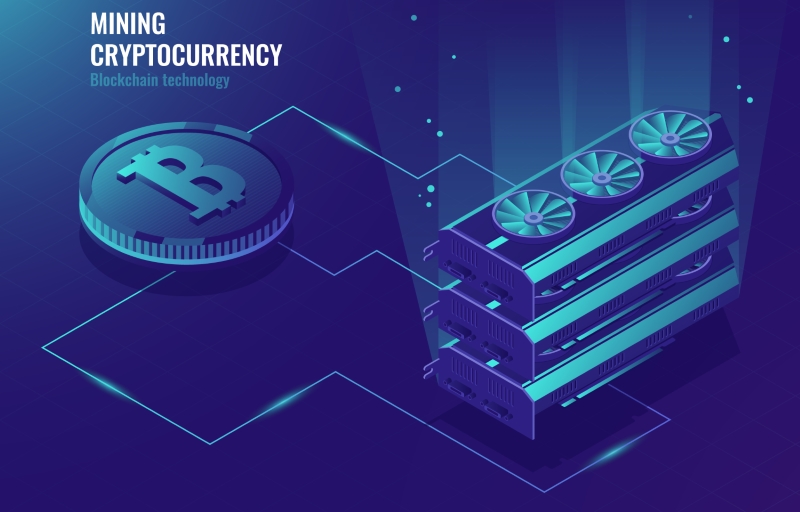
Let’s talk hardware, because if you’re not upgrading, you’re basically mining with a brick. Bitdeer’s SEALMINER A3 isn’t just another rig-it’s a step-change. Analysts reckon it’ll push Bitcoin’s hashrate up by 15.5% once it’s in full swing, and that’s not just a flex. It’s a warning: adapt or get left in the dust[5].
But here’s where it gets spicy. Most ASICs still come out of China, which isn’t just a supply-chain risk-it’s a geopolitical headache. Enter decentralized chip design networks like Tatsu’s ChipForge. Think open-source Linux, but for mining hardware. Miners around the globe can now collaborate on chip designs, produce locally, and dodge the China bottleneck. Sure, there are kinks-design theft, chip yields, the usual startup chaos-but the idea’s a game-changer. Imagine a future where your mining farm’s running gear designed by a global collective, not a single megacorp[6].
A miner I know in Oslo told me, “We’re not just buying hardware anymore, we’re building it. It’s scary, but it’s the only way to stay independent.” Honestly, that’s the spirit that got us here in the first place.
? Green Dreams and Regulatory Nightmares

Let’s not sugarcoat it: mining’s still an energy hog. By some estimates, the sector chews through up to 240 TWh globally-that’s close to 1% of all the world’s electricity. No wonder regulators are sweating bullets[2].
But here’s the twist: renewables are the new battleground. Over half of global mining now runs on clean power, with hydro leading the charge (sorry, wind and solar-you’re great, but you need backup)[1]. The best sites? They’re getting snapped up like rare Pokemon cards. Miss the early train, and you’re stuck bidding for scraps or sweating through policy whiplash.
Take New York: State Sen. Liz Krueger just introduced a bill slapping a crypto mining excise tax on the books[7]. It’s not just about revenue-it’s a warning shot. Lawmakers worldwide are asking: Should mining get special treatment, or should it pay its fair share? In some regions, the answer’s a moratorium. In others, it’s a red carpet for clean-energy projects.
You’ve seen this movie before, right? Back in 2021, China’s mining ban sent hashrate into freefall, then roaring back as operations relocated. Policy shifts aren’t just paperwork-they’re market-moving events. One minute you’re mining in Sichuan, the next you’re packing containers for Paraguay.
? Diversify or Die: From Proof-of-Work to Proof-of-Whatever-Pays

Here’s where it gets wild. Some mining companies aren’t just sticking to Bitcoin-they’re morphing into full-blown compute providers. AI data centers, cloud services, even staking nodes. The logic’s simple: Why let those megawatt-hours and GPU clusters go to waste when you can rent them out to the next big thing in tech?[4]
A trader I spoke to last month put it bluntly: “Mining’s not dead-it’s just wearing a new hat.” These firms already know how to handle massive power loads, keep servers cool under fire, and automate everything. Now they’re pitching themselves as the backbone of the AI revolution. Honestly, it’s a brilliant pivot.
But don’t get it twisted: diversification’s a survival strategy, not a get-rich-quick scheme. The miners who thrive in 2025 are the ones running hybrid models-mining Bitcoin when it’s hot, flipping to AI compute when it’s not, and hedging their bets with staking or DeFi on the side.
? Market Mechanics: Cycles, Cascades, and the Art of Not Getting Rekt
Let’s get technical for a sec, because if you’re not watching the tape, you’re flying blind.
Dominance cycles: Bitcoin’s had a habit of gobbling up market share right before a rally, then giving some back as alts catch fire. But with mining’s institutionalization, those cycles are getting sharper. When big money flows in, BTC dominance spikes-then the alts get their moment when leverage gets overcooked and the whales rotate.
ADX movements: The Average Directional Index doesn’t lie. When ADX crosses 25 on BTC, things are about to get spicy. In late 2024, we saw a sustained ADX surge just as the halving hit-classic volatility expansion. If you weren’t hedging, you were probably sweating bullets.
Liquidation cascades: Remember May 2021? BTC swan-dived from $60k to $30k in days, liquidating billions in leverage. Fast-forward to 2025, and the game’s the same, but the stakes are higher. With more institutional players in the mix, cascades can trigger faster and deeper, especially around halving events or major policy announcements.
I’ll never forget holding SOL through that crash. It was brutal, but it taught me one thing: in crypto, the only certainty is chaos. The whales ain’t sleeping, fam. They’re rotating.
? The Future’s Bright (If You’re Flexible)
So, what’s next? Honestly, nobody’s got a crystal ball. But here’s what’s clear: mining’s not going anywhere. It’s just evolving-faster than most of us can keep up.
Upgrades like the SEALMINER A3, decentralized chip design, and the renewable energy arms race are rewriting the rulebook. Policy shifts-whether it’s taxes, moratoriums, or green incentives-are redrawing the map. And miners? They’re not just digging for digital gold anymore. They’re building the infrastructure for whatever comes next.
A grizzled Oklahoman miner once told me, “This ain’t your granddaddy’s gold rush. We’re building railroads now.” And you know what? He wasn’t wrong.
So, to anyone thinking of jumping in: Do your homework, watch the policy wires, and for the love of Satoshi, stay flexible. The only constant here is change-so you’d better learn to love it.
? FAQs: Your Burning Questions on Bitcoin Mining Upgrades and Policy Shifts
H2: Bitcoin Mining Upgrades and Policy Shifts: Your FAQs Answered
Q1: What’s changed in Bitcoin mining since the last halving?
A1: Since the April 2024 halving, mining’s become even more industrial-big players dominate, efficiency’s non-negotiable, and margins are razor-thin unless you’ve got cheap, clean power[1][2]. Block rewards got halved, forcing smaller miners to exit and bigger players to double down on upgrades and cost-cutting.
Q2: How are mining upgrades like the SEALMINER A3 changing the industry?
A2: Rigs like the SEALMINER A3 are pushing efficiency to new heights, allowing miners to squeeze more Bitcoin out of every kilowatt-hour[5]. That’s great for the big guys, but it also raises the bar for everyone else, speeding up the shakeout of less-efficient operators.
Q3: Why are policies on energy and taxes so important for miners now?
A3: Mining’s energy demands have sparked global policy debates-some regions are slapping on taxes or outright bans, while others are courting miners with renewable incentives[7]. Where you set up shop can mean the difference between profit and bankruptcy, so policy shifts are now a top-tier risk factor.
Q4: What’s the deal with mining firms pivoting to AI and data centers?
A4: With the economics of pure crypto mining getting tougher, many firms are repurposing their infrastructure for AI, cloud, or traditional data center work[4]. They’re leveraging their expertise in power, cooling, and automation to tap into the booming demand for compute.
Q5: How does decentralized chip design work, and why is it a big deal?
A5: Decentralized networks like ChipForge let miners collaborate on open-source chip designs, reducing reliance on Chinese manufacturers and spreading risk[6]. If it takes off, it could democratize hardware innovation, but there are still challenges around security, production, and education.
Q6: Should a beginner even consider Bitcoin mining in 2025?
A6: For beginners, the barriers are higher than ever-capital, expertise, and energy costs are all steep. Cloud mining or joining a mining pool can lower the bar, but solo mining from your garage isn’t really viable anymore[3]. It’s a game for the well-funded or the very clever.
Related Topics for Crypto Enthusiasts
Check out these deep dives:
bitcoin-mining-machine-learn
renewable-mining-sites
mining-trends-2025
- https://coinshares.com/insights/knowledge/bitcoin-mining-explained-process-benefits-and-challenges/
- https://www.solunacomputing.com/blog/mining-disrupt-2025/
- https://www.chainup.com/blog/crypto-mining-industry-trends-insights/
- https://www.datacenters.com/news/bitcoin-miners-pivot-to-ai-data-centers-a-strategic-shift-in-2025
- https://www.onesafe.io/blog/revolutionizing-bitcoin-mining-sealminer-a3-impact-crypto-payroll
- https://coingeek.com/decentralized-chip-design-miners-reclaiming-hardware-control/
- https://www.nysenate.gov/newsroom/press-releases/2025/liz-krueger/krueger-kelles-introduce-legislation-establish






