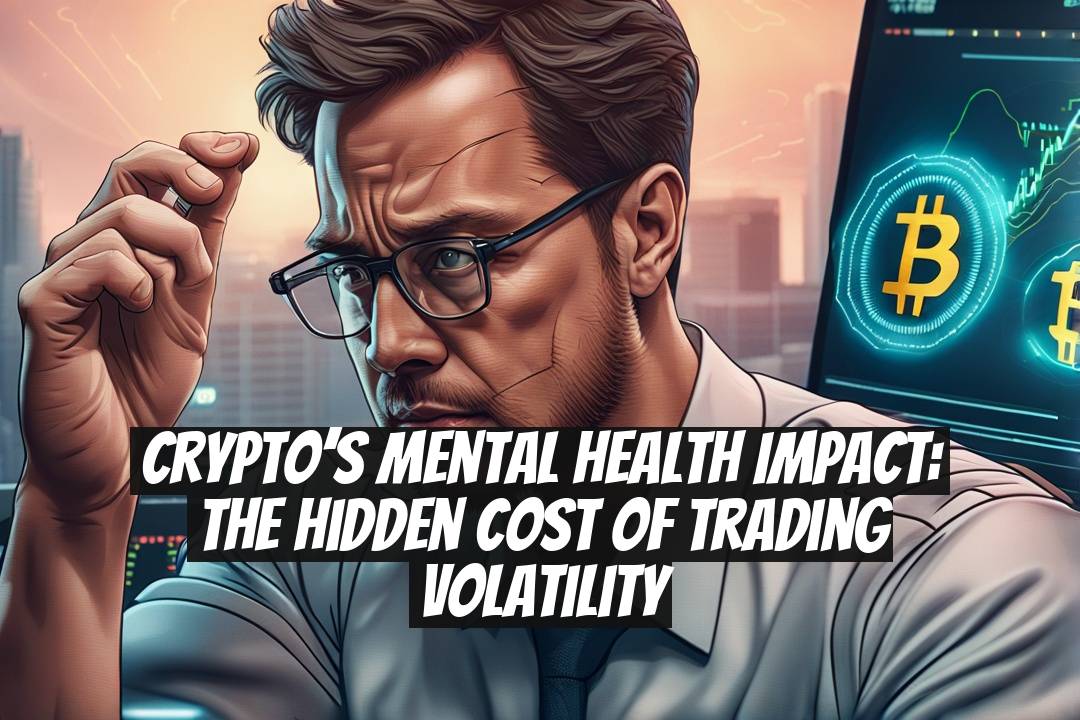
Can Chasing Crypto Gains Take a Toll on Your Mind?
Crypto markets are famously volatile,-a thrill ride that can send your portfolio skyrocketing or plummeting within minutes. But beyond the excitement and digital wealth, there’s a hidden cost that few talk about openly: the mental health impact of trading crypto volatility. The adrenaline-fueled roller coaster of sudden gains and losses doesn’t just affect wallets-it hits wallets and minds alike. Understanding the psychological strain, stress, and emotional turbulence that crypto trading can cause is crucial for anyone stepping into this frenetic market.
Key Takeaways:
- Crypto trading shares similarities with gambling addiction, with anxiety, mood swings, and compulsive behaviors commonly reported.
- Market volatility triggers chronic stress, poor sleep, and can even cause physical health problems.
- Social media and peer pressure amplify fear of missing out (FOMO), driving risky and impulsive trades.
- Positive mental effects include empowerment and intellectual stimulation, but risks overshadow benefits if unchecked.
- Practical strategies like setting limits, emotional self-awareness, and community support can protect trader wellbeing.
Subscribe to our Social Media for Exclusive Crypto News and Insights 24/7!
? The Emotional Whirlwind of Crypto Trading: Volatility’s Mental Toll ?
Trading cryptocurrencies feels a bit like being strapped to a rocket-at times exhilarating, at others terrifying. The lightning-fast swings not only destabilize markets but also destabilize our emotional states. Studies reveal that traders exhibit heightened levels of anxiety, depression, and mood instability akin to gambling addiction behaviors[2][5]. This includes obsessive preoccupation with market movements, “chasing losses” to recover funds, and neglecting other life responsibilities.
What fuels this? The staggering price fluctuations create intense uncertainty. When Bitcoin or other coins spike or crash within hours, traders often experience adrenaline rushes followed by crushing disappointments. This cycle leads to emotional exhaustion and chronic stress. It’s no surprise that the UK’s National Health Service sees rising treatment requests for compulsive crypto trading, mostly from young men facing financial and personal crises as a result[2].
? Key Insight: The volatility-driven emotional roller coaster is a main driver of mental health challenges among crypto traders, closely mirroring gambling addiction pathways[1][6].
? Social Media & FOMO: The Invisible Puppeteers of Trading Behavior ?
Social media and online crypto communities have revolutionized how traders gather information and share tips. But there’s a dark side. Peer influence and viral success stories can spur herd behavior-where many traders follow the crowd rather than relying on independent analysis. This environment amplifies the fear of missing out (FOMO), which pushes traders into hasty, risky decisions[1].
Countless posts highlight spectacular wins, leaving others scrambling to “catch the next big coin” lest they regret missing out forever. Overconfidence often follows, with traders overestimating their market knowledge, sometimes leading to excessive and dangerous bets[1]. While online interaction can reduce trader isolation, it can just as easily foster hype-driven pressure that worsens anxiety and impulsivity.
? When Crypto Trading Steals Your Sleep and Health ?
The mental strain of crypto trading extends beyond mood-it affects the body too. Research shows that traders often suffer from poor sleep quality, heightened stress, and lower overall health-related quality of life[2][3]. The market never sleeps, leading to irregular sleep cycles and prolonged screen exposure late into the night. This chronic pattern fuels physiological arousal and sympathetic nervous system activation, which drains energy and disrupts rest.
Alarmingly, such stress can escalate into serious physical conditions: exacerbations of peptic ulcers, acute abdominal pain mimicking surgical emergencies, and even ischemic symptoms caused by vascular spasms have been documented in highly stressed traders[2]. This mind-body toll highlights the urgent need to recognize crypto trading as a potential public health issue requiring attention beyond finance.
? Beyond the Dark Side: The Unexpected Mental Perks of Trading Crypto ?
It’s not all doom and gloom. There are mental health upsides to trading crypto, especially when approached strategically. Many traders report a sense of control, empowerment, and intellectual stimulation by managing their finances independently and engaging in analytical decision-making[1]. The complex nature of the market challenges cognitive functions, offering satisfaction akin to solving puzzles.
Further, online crypto communities can foster belonging and social support, reducing isolation for many participants. Financial gains, when realized responsibly, bring security and reduce traditional financial stressors. This dichotomy-increased distress vs. empowerment-means the crypto market’s mental health impact is nuanced and highly individual[1][4].
?️ Practical Tips to Protect Your Mental Health While Trading Crypto ?
If you’re diving into crypto trading, it’s wise to guard your mental wellbeing proactively. Here are some friendly strategies from a seasoned crypto analyst’s desk:
- Set firm trading limits: Decide upfront how much you can afford to lose emotionally and financially; stick to it.
- Schedule regular breaks: Avoid obsessive market monitoring; step away to maintain perspective and reduce anxiety.
- Develop emotional awareness: Track how trading affects your mood and stress; use journaling or apps to detect harmful patterns.
- Build a support network: Engage with trustworthy communities that prioritize responsible discussion over hype.
- Avoid all-in bets driven by FOMO: Base decisions on research, not social media buzz or hype cycles.
- Prioritize physical health: Maintain regular sleep, nutrition, and exercise routines to offset stress impacts.
- Seek professional help if needed: Don’t hesitate to consult mental health professionals familiar with behavioral addictions if trading causes distress.
? What Does All This Mean for the Crypto Market?
The hidden mental health burden of trading volatility signals a pressing issue for the crypto ecosystem. As adoption grows, so does the pool of vulnerable traders exposed to extreme stress, anxiety, and risky behavior patterns. This could fuel cycles of market instability fueled by panic selling or irrational exuberance-exacerbated by trader distress.
Crypto platforms, regulators, and communities need to integrate mental health awareness and support systems. Educational campaigns, behavioral intervention options, and ethical marketing practices can help shield traders from the worst psychological impacts while preserving market vibrancy. A healthy trading community is crucial for the long-term sustainability of the crypto market.
Finally, as someone who’s witnessed many trader stories from the frontlines, it’s clear this isn’t just a numbers game or a tech spectacle. It’s a deeply human experience-with fears, hopes, and vulnerabilities hiding behind every tick on the price chart. So before you chase the next moonshot, ask yourself: What price is your mind willing to pay?
Explore more about
mental health impact of crypto trading,
trading volatility in cryptocurrency,
crypto trading psychology.
Sources:
[1] https://pmc.ncbi.nlm.nih.gov/articles/PMC11826850/
[2] https://kevinmd.com/2025/09/crypto-tradings-impact-on-mental-and-physical-health.html
[3] https://pubmed.ncbi.nlm.nih.gov/39290060/
[4] https://adai.uw.edu/research_project/risk-taking-behaviors-and-cryptocurrency-trading-react-in-young-adults/
[5] https://www.greo.ca/Modules/EvidenceCentre/Details/a-scoping-review-of-mental-health-factors-associated-with-cryptocurrency-trading
[6] https://karger.com/ear/article/doi/10.1159/000548027/933408/The-Examination-of-Cryptocurrency-Trading?searchresult=1