? What the Heck Is Happening in Global Bitcoin Mining?
If you’ve been keeping an eye on the crypto world, you’ve probably noticed a seismic shift: Bitcoin mining is no longer a rogue, decentralized hobby-it’s becoming a serious, state-backed industry. The latest twist? Japan, the world’s third-largest economy, has thrown its hat into the ring, joining an exclusive club of nations racing to accumulate Bitcoin through government-backed mining initiatives[1][3]. This isn’t just a headline-it’s a clear, flashing signal that Bitcoin is being embraced as a strategic asset by countries hungry for both digital and energy sovereignty. And it’s got every crypto investor sitting up and paying attention.
The story here isn’t just about Japan turning on a few mining rigs-it’s about the transformation of Bitcoin mining from a wild west gold rush into a meticulously planned, energy-conscious, and geopolitically charged enterprise. As more countries wake up to the reality that Bitcoin is not going away, the race is on to secure as much as possible-before everyone else does[1]. The questions now are: What does this mean for the price of Bitcoin? How does it change the game for miners (both big and small)? And, most importantly, should you care if you’re thinking about investing? Let’s dive in.
? Key Takeaways
Subscribe to our Social Media for Exclusive Crypto News and Insights 24/7!
- Japan has officially launched a state-backed Bitcoin mining project using renewable energy, becoming the 11th nation to do so[1][3].
- The 4.5-megawatt initiative is a partnership between the Japanese government, Canaan Inc., and TEPCO, set to go live by late 2025[1][2].
- The project’s goal isn’t just to mine Bitcoin-it’s to study how crypto mining can help stabilize the national power grid, acting as a flexible demand response tool[2].
- Bitcoin mining is now a global, government-level priority, with countries like Iran, Bhutan, El Salvador, the UAE, and now Japan competing for every new Bitcoin entering circulation[1][3].
- This trend could support higher Bitcoin prices-analysts predict $160,000-$200,000 by late 2025[1].
- Practical tips for investors and miners: Pay attention to countries with cheap, clean energy; watch for new regulations; and keep an eye on how Bitcoin mining is being integrated into national energy strategies.
- Personally, I think this is a game-changer-not just for the price, but for how the world views and uses Bitcoin.
?️ How Japan’s Move Fits into the Global Bitcoin Mining Puzzle
? Japan’s Mining Initiative: Not Just About Making Money
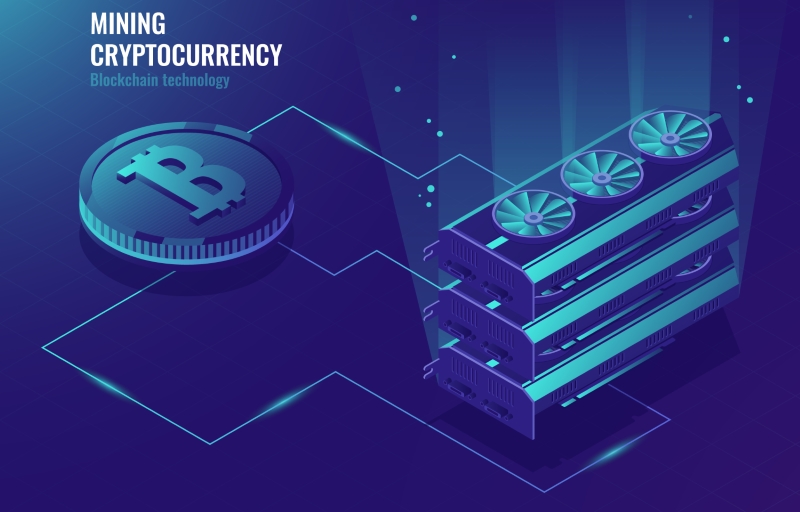
Japan’s entry into Bitcoin mining is different. This isn’t about chasing quick profits-it’s a carefully planned experiment in energy management and technological innovation. The project, run by the Ministry of Economy, Trade and Industry (METI), will use hydro-cooled Avalon A1566HA mining rigs, which are designed to adjust their power consumption in real time based on electricity supply and demand[1][2]. Mining farms here will act as a “digital load balancer,” soaking up excess power from renewable sources like solar and wind, then scaling back when the grid is under stress.
This approach could turn Bitcoin mining into a flexible grid management tool-not just a way to mint digital gold[2]. If it works, Japan could become a model for how to use cryptocurrency mining to stabilize energy supplies, reduce waste, and even make renewable energy sources more viable[2]. It’s a far cry from the old days of mining operations squatting in warehouses, draining local power supplies, and occasionally causing blackouts.
? A Greener, Smarter Mining Future

The global narrative around Bitcoin mining has shifted dramatically in the past few years. The old image of dirty, coal-powered mining in China is fading. Now, nations are racing to use their cheapest, cleanest energy sources to mine Bitcoin-often in partnership with private companies specializing in high-efficiency hardware.
Japan’s project is a model of this new approach: hydro-cooled rigs, powered by excess renewables, with operations dialed up or down depending on the grid’s needs[1][2]. This isn’t just good PR-it’s a practical way to make mining both profitable and sustainable, and it could help change the public perception of Bitcoin from an energy hog to a net positive for the environment.
? The Global Bitcoin Accumulation Race
Japan is far from alone. Since 2020, governments from El Salvador to the UAE, Russia to Argentina, have launched their own state-backed mining operations[3]. The motivation is clear: Bitcoin is increasingly seen as a reserve asset-one that’s potentially more robust than gold or even the US dollar in an era of inflation, de-dollarization, and geopolitical uncertainty.
These countries aren’t just mining for fun. They’re mining with the same intensity that they once mined gold-because Bitcoin is a new kind of national treasure. The more a country controls, the more influence it has in the digital economy. It’s also a hedge against economic instability and a tool for attracting foreign investment. For crypto investors, this means that Bitcoin is becoming a mainstream, globally traded asset-one that even governments are now “investing” in by mining.
? What Does This All Mean for the Crypto Market?
? Price Impact: Supply, Demand, and the “State Factor”
If you’re invested in Bitcoin, you’re probably wondering: Will government mining push the price up or down? The answer is complicated, but here’s the simple version: More demand from big players (like governments) means rising prices-especially as the supply of new Bitcoin steadily drops due to halvings. Some analysts are already predicting Bitcoin could reach $160,000-$200,000 by the end of 2025, thanks to this rising demand[1].
But there’s a catch. If governments start to hoard Bitcoin, circulating supply could shrink even faster-amplifying price swings. And if mining becomes too centralized under state control, it could raise concerns about network security and decentralization, two of Bitcoin’s founding principles.
? Geopolitics and Crypto Power Shifts
The entry of state actors like Japan into mining isn’t just about economics-it’s about geopolitics. Countries are positioning themselves to have more control over the digital economy, and Bitcoin is at the center of that fight. If you’re in the US or Europe, you might start to worry that you’re being left behind while countries like Japan, El Salvador, and Bhutan move aggressively into crypto.
There’s also the risk that governments could use their mining power to manipulate the market, or even to censor transactions. For Bitcoin purists, this is a nightmare scenario. For investors, it’s a reality that needs to be factored into your strategy.
?️ Practical Tips for Investors and Miners
So, how should you react to this seismic shift in Bitcoin mining? Here are a few things to keep in mind:
- Watch the Energy: Countries with cheap, abundant renewables are likely to be the next big mining hubs. Investing in crypto companies based in these regions could be a smart move.
- Regulation Roulette: As more countries get involved, expect new rules around mining-some friendly, some hostile. Stay informed and be ready to pivot.
- Think About Network Security: The more mining power is concentrated in a few countries (or companies), the more vulnerable the network becomes to attack. This is something to monitor closely.
- Look for Innovation: Companies that are leading the way in energy-efficient mining tech-like Canaan, which is supplying Japan’s hydro-cooled rigs-are likely to be long-term winners[1][2].
- Diversify: Don’t put all your eggs in the Bitcoin basket. The crypto market is maturing, and there are opportunities beyond BTC.
? My Take: Why I’m Excited (and a Little Nervous)
As someone who’s watched-and invested in-Bitcoin since the early days, I find this new era of state-backed mining both thrilling and unsettling. On one hand, it’s amazing to see Bitcoin go mainstream, embraced by some of the world’s most powerful nations. That’s a huge validation for the technology and the community that backed it from the beginning.
On the other hand, there’s a real risk that Bitcoin could lose some of what made it special-decentralization, censorship resistance, and independence from government control. If mining becomes too concentrated, or if countries start to collude, the dream of a truly neutral, borderless currency could fade.
That said, I’m optimistic. The same innovations that are making mining more efficient and sustainable are also making it possible for smaller players to keep mining, even as the big guns enter the game. And the more countries that adopt Bitcoin, the harder it becomes for any one government to dominate the network.
? Practical Steps: How to Navigate the New Bitcoin Mining Era
So, how do you navigate this rapidly changing landscape? Here are some actionable strategies for both investors and miners:
- Stay Informed: Follow global developments in mining policy and infrastructure. Governments are moving fast, and you don’t want to be caught off guard.
- Consider Geographic Exposure: If you’re investing in mining stocks or crypto companies, look at their energy sources and regulatory environments. Companies based in countries with friendly policies and cheap, green energy are likely to outperform.
- Diversify Your Mining Portfolio: If you mine yourself, consider diversifying your operations across jurisdictions to reduce regulatory risk.
- Stay Flexible: The crypto market is volatile, and the rules are changing quickly. Be ready to adapt your strategy as new developments unfold.
? What Does the Future Hold?
We’re living through a pivotal moment in the history of Bitcoin-and of money itself. The entry of governments into mining is a sign that Bitcoin is here to stay, but it’s also a reminder that the network will never be quite the same.
So, here’s a question to leave you with: How will the next generation of Bitcoin miners-whether they’re governments, companies, or individuals-shape the future of money? Will Bitcoin remain an open, decentralized network, or will it become something else entirely? And, most importantly, what role do you want to play in that future?
? Wrapping Up
Japan’s move into state-backed Bitcoin mining is a big deal-not just for crypto, but for global finance, energy, and geopolitics[1][2][3]. It’s a sign that Bitcoin is maturing, moving from a niche experiment into the mainstream of economic strategy. For investors, it’s a call to pay attention, adapt, and stay engaged with a market that’s changing faster than ever.
No matter what happens next, one thing is clear: Bitcoin’s story is just beginning-and the stakes have never been higher.
? Keyphrases for Your Journey
government-backed Bitcoin mining
Japan Bitcoin mining initiative 2025