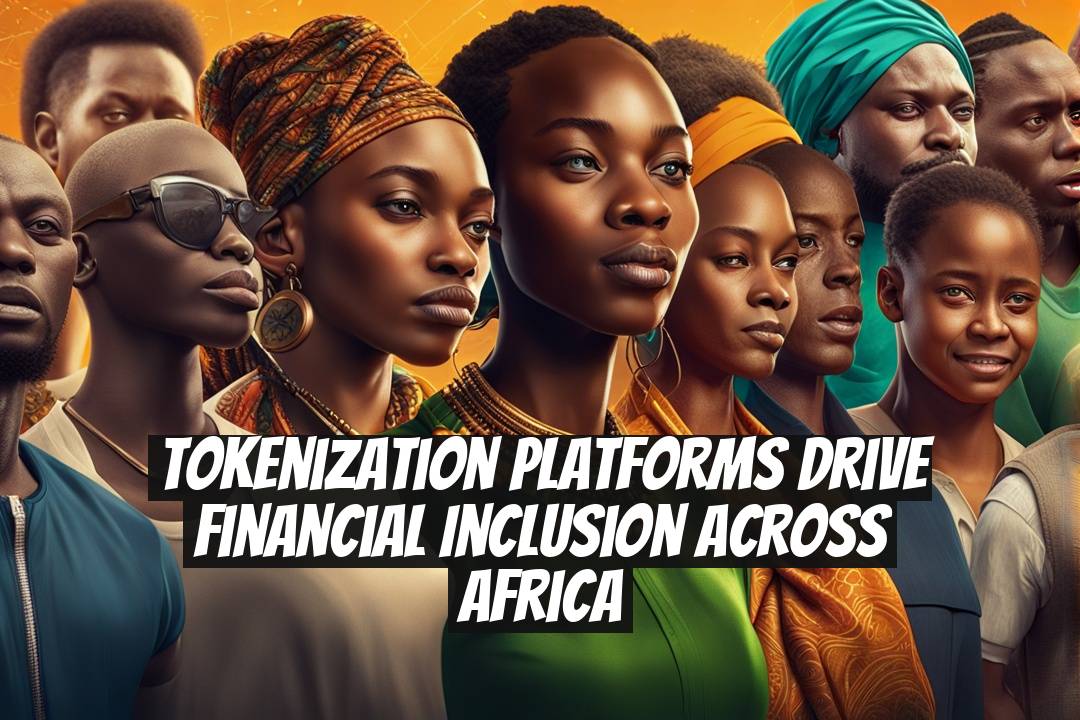
How Can Tokenization Open Doors for Africa’s Financial Inclusion?
Imagine a bustling market where anyone, anywhere, can buy a tiny piece of a skyscraper, a farm, or even a local business-without mountains of paperwork or banks telling you “no.” This isn’t some far-off dream. Thanks to tokenization platforms driving financial inclusion across Africa, this is starting to become a reality. Tokenization is not just rewriting the rules for investment; it’s changing the very game of wealth creation and opportunity on the fastest-growing continent. But what does this really mean for Africa and the global crypto market? And more importantly, what could it mean for you as an investor or crypto enthusiast? Let’s unwrap this exciting frontier together.
Key Takeaways:
- Tokenization platforms enable fractional ownership, unlocking access to high-value assets for everyday investors across Africa.
- This technology boosts liquidity, transparency, and reduces costs, transforming traditionally illiquid markets like real estate and infrastructure.
- Tokenization fosters financial inclusion by breaking barriers to entry and expanding participation beyond elite circles.
- Africa’s tokenization market is booming, projected to reach $100 billion, supported by major players and funds driving blockchain adoption.
- For crypto markets, tokenization intertwines blockchain innovation with real-world assets, offering new growth and diversification opportunities.
Subscribe to our Social Media for Exclusive Crypto News and Insights 24/7!
? What Is Tokenization & How Is It Revolutionizing Africa’s Finance?

Simply put, tokenization is the process of converting ownership rights of an asset-be it real estate, private equity, or infrastructure-into digital tokens on a blockchain. Each token represents a fraction of the asset, allowing investors to own, trade, or transfer these pieces securely and transparently.
In Africa, this is a game-changer. Many assets like land, businesses, and infrastructure projects are traditionally locked behind high investment minimums or legal and bureaucratic hurdles that limit who can participate. Tokenization breaks these walls down. For example, instead of buying an entire property, you could buy 1% of it as a token on a blockchain-and with lower investment thresholds, more people gain access to wealth-building opportunities previously reserved for wealthy or institutional players[1][3].
This fractional ownership democratizes access to markets and assets that were once off-limits, allowing local and international investors to fuel Africa’s scaling economy.
? Unlocking Africa’s Private Equity and Asset Potential with Tokenization

The private equity market in Africa is ripe for disruption. Historically, investors-especially those from outside African countries-found it difficult to inject capital into African ventures due to market opacity, high costs, and regulatory challenges. Tokenization enables fund managers to divide assets into digital tokens and invite participation from a much broader investor base globally[1].
The benefits?
- Improved Liquidity: Tokenized assets are easier to trade on digital exchanges, unlike traditional private equity stakes which are often “locked up” for years.
- Lower Investment Barriers: By dividing investments into smaller tokens, tokenization enables participation with reduced capital, perfect for individual or retail investors.
- Enhanced Transparency: Blockchain’s immutable ledger means every transaction and ownership record is visible, boosting trust and compliance.
- Streamlined Management: Smart contracts automate payments and distributions, reducing administrative headaches.
Excitingly, real estate tokenization is also taking off. African infrastructure and commercial properties can be fractionalized and traded like stocks-significantly opening liquidity pathways for high-value holdings[1][3].
? Why Tokenization Is a Catalyst for Financial Inclusion Across Africa

Many Africans remain unbanked or underbanked, often unable to access traditional financial instruments. Tokenization offers a fresh financial doorway by reducing reliance on conventional intermediaries like banks. It brings financial services online, where smartphones and digital wallets serve as the new bank branches.
Here’s how tokenization platforms promote inclusion:
- Micro-Investment Opportunities: Investors with modest means can own parts of assets and funds, rather than needing large capital upfront.
- Cross-Border Investment: Diaspora and international investors can easily buy tokens tied to African assets, boosting inflows into local economies.
- Economic Empowerment: By increasing participation in wealth-generating assets, tokenization fosters broader wealth distribution and economic growth.
In fact, blockchain projects backed by institutions like the African Development Bank, which recently launched a $10 million fund to support tokenization developments, show strong institutional backing for these innovations[1]. African tokenization markets are expected to grow to $100 billion this year alone-underscoring the momentum and demand[1].
? Tokenization and the Crypto Market: A Match Made for Growth

You might wonder, how does tokenization fit within the broader cryptocurrency and blockchain ecosystem? Simply put, tokenization is blockchain’s practical gateway to the real world. Unlike volatile cryptocurrencies, tokenized assets represent real-world value-from land and bonds to private credit and renewable energy projects-bringing stability and diversification to crypto portfolios[3].
For crypto enthusiasts and investors, this means:
- Access to Real-World Assets (RWA): Diversify beyond just coins and tokens by owning tangible, income-generating assets on-chain.
- Crypto as a Utility: Tokens can facilitate seamless funding and trading, bridging traditional finance with digital innovation.
- Enhanced Market Efficiency: Automated processes via smart contracts reduce costs and speed up transactions.
- Social Impact: ESG-aligned token projects allow investors to support sustainable initiatives while earning returns[3].
From microloans for small businesses to renewable energy credits and private equity, tokenization brings countless use cases that build robust crypto ecosystems integrated with the real economy.
? Practical Tips for Navigating Tokenization Platforms in Africa
Curious about stepping into this space? Here are some practical pointers for potential investors and crypto lovers alike:
- Research the Tokenized Asset: Understand what you’re investing in-its underlying real-world value, regulatory environment, and management team credibility.
- Check Platform Security and Compliance: Ensure the tokenization platform uses secure blockchain protocols and complies with relevant financial regulations.
- Diversify Your Token Holdings: Spread investments across different asset classes and regions to mitigate risk.
- Engage with Local Communities: Join African blockchain and crypto groups to stay updated and gain insights on emerging projects.
- Assess Liquidity Options: Look for tokens with active secondary markets for easier trading or exit options.
- Consider Long-Term Impact: Think about how your investment influences financial inclusion and local economies, not just short-term gains.
? Personal Insights: Why I’m Bullish on Tokenization for Africa’s Future
Having watched crypto markets evolve, I see tokenization in Africa as one of the most promising avenues for real impact. It’s blending technology with human needs, giving a wider audience access to wealth creation that was once exclusive.
It’s not just about profits; it’s about changing narratives-from underbanked populations to empowered investors, from opaque markets to transparent, inclusive ecosystems. This tectonic shift can attract more international capital, ignite local entrepreneurship, and build resilient economies.
Yes, challenges remain-regulatory clarity, tech literacy, and infrastructure-but the momentum is undeniable. I’d advise potential investors to follow African tokenization projects closely, as this space could fuel the next wave of meaningful crypto adoption with real societal benefits.
? So, what if tokenization could finally bridge the chasm between Africa’s vast economic potential and everyday investors worldwide? Would you be ready to own a piece of tomorrow’s booming African economy?
Related Links
tokenization platforms drive financial inclusion across Africa
tokenization in Africa
financial inclusion Africa
Sources
- https://www.jerseyfinance.com/insights/tokenisation-unlocking-africas-private-equity-potential/
- https://pesabase.com/post/rwa-tokenization-africa
- https://www.xbto.com/resources/real-world-asset-tokenization-use-cases-in-2025
- https://www.bakermckenzie.com/en/insight/publications/2025/06/tokenization-in-financial-services