
When Trust Gets Hacked: How Crypto Scams Are Evolving in 2025
Crypto scams are no longer just about phishing emails and fake ICOs. Today’s fraudsters are leveraging AI, deepfakes, and cross-chain bridges to target both everyday users and major institutions. The tactics are smarter, the attacks more personalized, and the losses are piling up faster than ever. If you’re still thinking crypto scams are just “send me your seed phrase” cons, you’re already behind the curve. The game has changed - and it’s getting nastier.
? Key Takeaways
- Crypto scams are now using AI and deepfakes to impersonate trusted figures and bypass KYC.
- Institutions are being targeted with sophisticated social engineering and insider threats.
- Cross-chain bridges and privacy coins are replacing mixers as the go-to tools for laundering.
- The biggest losses in 2025 came from exchange hacks, DeFi exploits, and romance scams.
- Regulatory crackdowns are ramping up, but so are the scams.
Subscribe to our Social Media for Exclusive Crypto News and Insights 24/7!
-
? The Rise of AI-Driven Scams
Back in 2022, I held ADA through a 60% dump. It was brutal. But that taught me one thing: the market’s volatility is nothing compared to the chaos of a well-executed scam. Fast forward to 2025, and the scammers aren’t just targeting your portfolio - they’re targeting your identity.
Deepfake scams are now a real threat. Fraudsters use AI-generated video or audio to impersonate CEOs, influencers, or even family members. In one case, a deepfake Elon Musk video was used during a live YouTube stream to solicit funds. The scammer’s wallet collected at least $5 million between March 2024 and January 2025. These funds were traced to major exchanges like MEXC and even darknet markets [4].
A trader I spoke to said this looked eerily like 2021’s blow-off top - but instead of FOMO, it’s fear and confusion driving the action. The whales ain’t sleeping, fam. They’re rotating.
-
? How Scammers Are Targeting Institutions
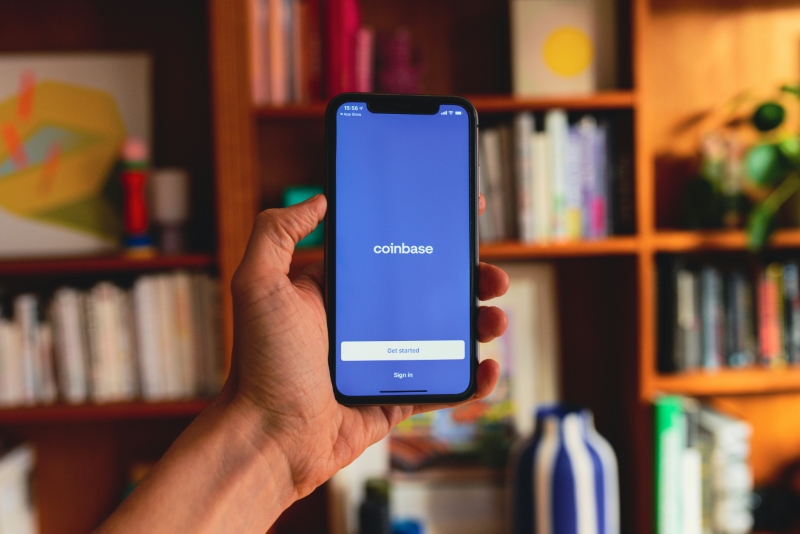
It’s not just individuals getting hit. Institutions are now prime targets. In May 2025, bribed Coinbase support agents exfiltrated user account data and demanded a $20M ransom. Coinbase refused, but the breach was a wake-up call for the entire industry [2].
North Korean hackers are also upping their game. They’re using phishing emails and social engineering to infiltrate crypto businesses. In 2024, they stole $1.34 billion from crypto platforms, representing 61% of the total amount stolen for the year [3].
Compliance professionals are increasingly becoming targets themselves. Identifying phishing scams is now possible at scale through behavioral detection capabilities, which can spot malicious smart contracts designed to drain victim wallets [5].
-
? The New Money Laundering Playbook

Remember when mixers were the go-to for laundering ransomware proceeds? Those days are over. Now, threat actors are leveraging cross-chain bridges to obfuscate transactions and enable seamless cryptocurrency conversions before cashing out [1].
Bitcoin remains the primary currency for ransomware payments, but a substantial portion of these funds is converted to other cryptocurrencies downstream. The use of bridges provides a quicker and more efficient means of converting illicit funds, while creating an illusion of greater anonymity for cybercriminals.
-
? The Numbers Don’t Lie

Let’s look at the data. In 2024, funds sent to fraud amounted to at least $10.7 billion, a 40% decrease from 2023. But don’t let that fool you - the overall volume for fraud dipped, but thousands of new investment scam and phishing websites are still being deployed each month [1].
According to Chainalysis, the value received by illicit cryptocurrency addresses in 2024 was $40.9 billion. Stolen funds increased by approximately 21% YoY to $2.2 billion, with the largest share robbed from DeFi services [3].
The FBI reported that US citizens lost $9.3 billion to crypto scams throughout 2024. Online scams and other internet crimes are skyrocketing, with a record $16.6 billion in losses reported to the FBI in 2024 [8].
-
? What’s Next? How to Stay Safe
So, what can you do? First, be skeptical of any unsolicited offers or requests for crypto. Second, use reputable exchanges and wallets with strong security features. Third, stay informed about the latest scam tactics and trends.
Regulators are now forcing crypto platforms to enforce strict KYC/AML and report suspicious transactions, closing many loopholes. But the scammers are always one step ahead.
-
Frequently Asked Questions About Crypto Scams in 2025
Q1: What are deepfake crypto scams?
A1: Deepfake crypto scams use AI-generated video or audio to impersonate trusted figures, tricking victims into sending cryptocurrency or revealing sensitive information. These scams are becoming more common and sophisticated.
Q2: How do cross-chain bridges help scammers launder money?
A2: Cross-chain bridges allow scammers to move funds between different blockchains, making it harder to trace the origin of illicit transactions. This method is now preferred over traditional mixers.
Q3: What are the most common types of crypto scams in 2025?
A3: The most common types include deepfake scams, phishing, romance scams, DeFi exploits, and fake ICOs. Scammers are also using AI to personalize attacks and bypass security measures.
Q4: How can I protect myself from crypto scams?
A4: Use reputable exchanges and wallets, enable two-factor authentication, be skeptical of unsolicited offers, and stay informed about the latest scam tactics.
Q5: What role do regulators play in combating crypto scams?
A5: Regulators are enforcing strict KYC/AML rules and requiring platforms to report suspicious transactions. They are also coordinating international efforts to recover stolen assets and prosecute perpetrators.
Q6: Are privacy coins like Monero still popular among scammers?
A6: Yes, privacy coins are still popular because they offer greater anonymity. However, their use is declining as cross-chain bridges become more prevalent.
deepfake crypto scams
cross-chain bridges
privacy coins
1. https://www.trmlabs.com/reports-and-whitepapers/2025-crypto-crime-report
2. https://deepstrike.io/blog/crypto-crime-report-2025
3. https://www.chainalysis.com/blog/2025-crypto-crime-report-introduction/
4. https://sumsub.com/blog/crypto-scams-you-should-be-aware-of/
5. https://www.elliptic.co/blog/the-state-of-crypto-scams-2025-keeping-our-industry-safe-with-blockchain-analytics
6. https://dfpi.ca.gov/consumers/crypto/crypto-scam-tracker/
7. https://www.connectcu.org/index.php/blog/204-crypto-and-defi-investment-scams-in-2025-what-you-need-to-know
8. https://www.pewresearch.org/internet/2025/07/31/online-scams-and-attacks-in-america-today/
9. https://www.acfe.com/acfe-insights-blog/blog-detail?s=top-fraud-trends-2025