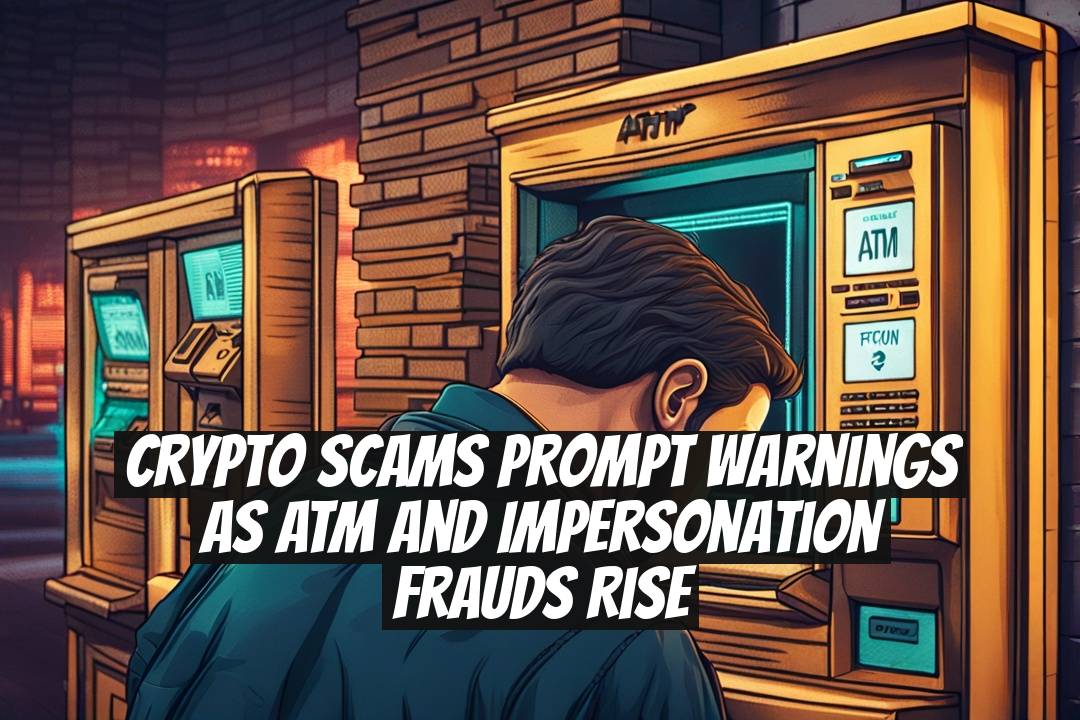
Why Are Crypto ATM and Impersonation Scams Skyrocketing-and What Does It Mean for You?
If you thought the wild west days of cryptocurrency were mostly behind us, think again. Crypto scams are still a massive headache in 2025, and frankly, they’re getting more creative and dangerous. Particularly, ATM frauds and impersonation scams have surged, catching even seasoned investors off guard. These scams are more than just headline fodder-they shake the very foundations of crypto trust and adoption. But what exactly is going on? And how should you, as a current or prospective crypto investor, navigate this risky landscape? Let’s dive deep.
Key Takeaways on Rising Crypto ATM and Impersonation Frauds ?
- ATM scams have cost U.S. victims over $65 million in just the first half of 2024, primarily targeting elderly victims through emotional manipulation.
- Impersonation frauds, including fake deepfakes of crypto influencers and fraudulent support agents, contributed to major losses exceeding hundreds of millions.
- Crypto-related hacks and scams amounted to $2.17 billion stolen by mid-2025, including the record-breaking $1.5 billion Bybit exchange hack.
- Scam volumes have decreased compared to previous years but remain a serious threat with sophisticated tactics evolving rapidly.
- Practical defenses include enhanced awareness, verifying identities before transfers, and never sharing private keys or seed phrases.
- The continued prevalence of scams highlights the ongoing need for industry-wide improvements in security and user education.
Subscribe to our Social Media for Exclusive Crypto News and Insights 24/7!
? Crypto ATM & Impersonation Scams Are Exploding-Here’s Why
When most people hear “crypto scams,” they think of shady websites or phishing emails. But ATM and impersonation frauds are increasingly the preferred weapons for scammers. The FBI and Elliptic’s analyses reveal a grim picture for 2024 and early 2025:
- ATM scams in particular have hit the elderly hard, with more than $65 million lost, often by scammers impersonating relatives or law enforcement on the phone to pressure victims to send cryptocurrency through ATM machines or apps[5].
- These scam calls employ emotional manipulation-imagine a frazzled grandma getting a threatening call “from the police” telling her to move her assets immediately; panic-driven, she complies.
- Impersonation frauds reach beyond phone calls: fake deepfake videos of crypto influencers promoting nonexistent giveaways have fleeced investors out of over $500,000[4].
- Criminals have also bribed or impersonated support staff at major exchanges (see Coinbase’s breach) to siphon off hundreds of millions[2].
Clearly, the face of fraud has evolved-gone are the days of just Ponzi schemes or pump-and-dump tactics. Now, it’s about blurring digital trust, exploiting social engineering, and targeting vulnerable groups directly.
? What This Means for the Crypto Market & Investors

On the surface, cryptocurrency remains an exciting frontier, but these scams are one of crypto’s biggest hurdles to mass adoption. Here’s the analyst’s view:
- Massive hacks and scams-$2.17 billion stolen in 2025 alone-although representing <1% of overall crypto volume, sharpen investor skepticism and reluctance to trust exchanges and platforms[2].
- Institutional adoption hesitates as regulators spotlight these crimes, driving calls for tighter control and compliance, which may slow innovation and increase costs.
- Fraud-induced volatility: When big scams unfold, we often see price slumps fueled by fear and uncertainty.
- Smaller investors especially lose out, as scams frequently target novices or older demographics unfamiliar with crypto’s technical nuances.
- Despite a decline in Ponzi and pyramid schemes compared to 2023, around $10.7 billion was still funneled to fraud schemes in 2024-a staggering amount showing problems persist[1].
- The crypto ecosystem’s shift toward DeFi and NFTs attracts new scam variants, such as fake projects that vanish with user funds or bogus apps stealing wallet seed phrases[4].
The evolving sophistication of scams means crypto users must get smarter and stricter with security. These frauds don’t just steal coins-they steal confidence, the very currency underpinning crypto’s future.
?️ Practical Tips to Protect Yourself from Crypto Scams

Navigating crypto safely may sometimes feel like walking through a minefield. But here are proven strategies every investor should use:
- Verify identities rigorously. Always double-check the person or entity you’re dealing with, especially after unsolicited contact. Don’t trust caller ID blindly.
- Never share your private keys or seed phrases. No legitimate exchange or support agent will ever ask for these.
- Be skeptical of “too good to be true” offers. Promised returns over 20% weekly? Likely a scam.
- Avoid downloading apps from unofficial sources. Fake apps and phishing sites mimic known wallets and platforms.
- Use hardware wallets for cold storage. It minimizes risk from online breaches or phishing.
- Enable two-factor authentication (2FA). Combine with email and phone alerts for withdrawal requests.
- Report suspected scams to authorities like the FBI or DFPI to help protect others.
- Educate yourself continuously. Scam tactics change fast. Staying informed is your best defense.
Also, monitor suspicious activity through blockchain analytics tools where possible to flag risks early[5].
? My Personal Take: Why We Must Get Real About Crypto Scam Realities
As a crypto analyst and someone who’s been following the industry climb and crash cycles, I feel it’s time to ditch the rose-tinted views. Crypto is revolutionary-but it is also imperfect, vulnerable, and in need of serious maturation.
Scams like ATM fraud and impersonation go beyond just losses; they erode trust in a technology that desperately needs mainstream embrace. To me, this means the rise of better regulation, stronger security standards, and widespread education are not optional-they’re essentials.
Ultimately, the battle against these scams will define whether crypto truly evolves into a dependable asset class or remains a risky gamble dominated by predators.
As you continue your crypto journey, consider this: How much of your portfolio’s safety depends not just on blockchain technology’s strength, but on your own vigilance and knowledge? Are you prepared to face the next big scam wave with the right tools and mindset?
crypto scams
atm fraud
impersonation fraud
Sources:
[1] https://www.trmlabs.com/reports-and-whitepapers/2025-crypto-crime-report[2] https://deepstrike.io/blog/crypto-crime-report-2025
[4] https://www.connectcu.org/index.php/blog/204-crypto-and-defi-investment-scams-in-2025-what-you-need-to-know
[5] https://www.elliptic.co/blog/the-state-of-crypto-scams-2025-keeping-our-industry-safe-with-blockchain-analytics