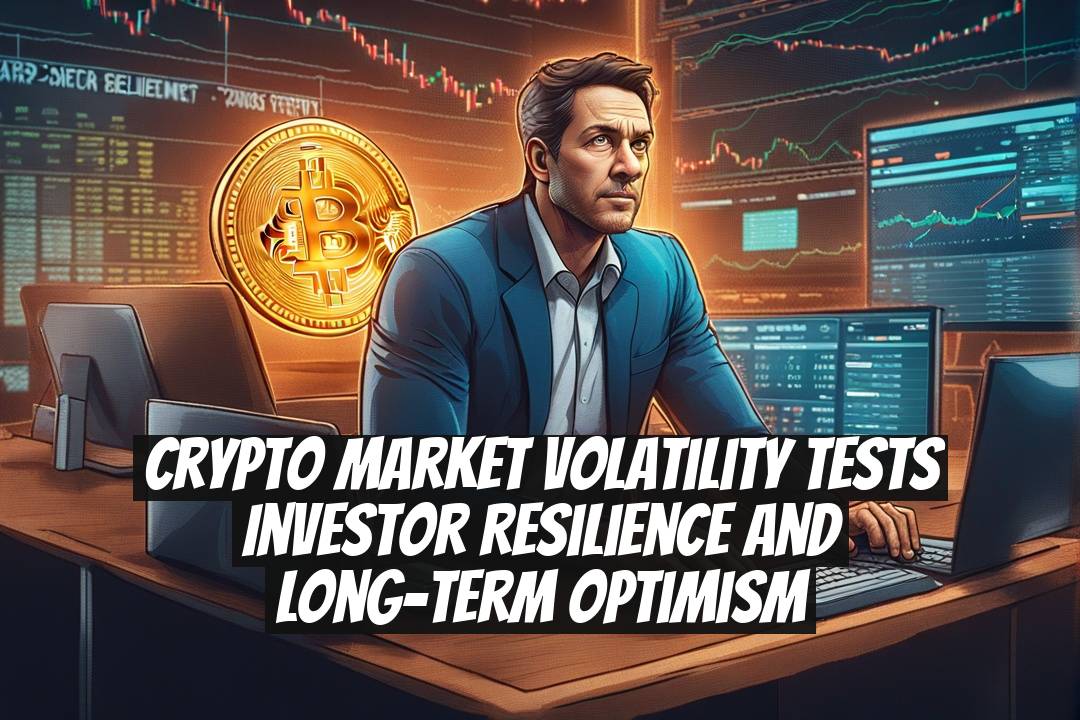
Riding the Crypto Rollercoaster: Why Volatility Is the Ultimate Investor Stress Test
If you’ve dipped your toes into the crypto pond even slightly, you know the waters are anything but calm. The crypto market volatility tests investor resilience and long-term optimism like no other asset class out there. From Bitcoin swearing off its usual wild swings in late 2025 to altcoins like Solana and Ethereum playing tug-of-war with their support and resistance levels, it’s been one heck of a ride. So, whether you’re clutching ADA from that 60% dump in 2022 or eyeing new bulls in the game, understanding the market’s pulse is key to coming out on top.
Key Takeaways
- Bitcoin’s 30-day volatility hit a record low of 2.5% in Q3 2025 - calmer seas compared to the usual crypto storms[1].
- Major altcoins show increased correlation with Bitcoin, making market-wide moves more synchronized[1].
- Volatility swings force investors to update strategies: short-term stops, long-term holds, and position rotations.
- Indicators like ADX and dominance cycles reveal hidden tides behind price action-think whales moving stealthily.
- Liquidation cascades remain a constant threat, flipping strong hands into panic sales-history repeats in cycles.
- Long-term optimism hinges on navigating these waves, absorbing lessons from past crashes, and reading market mechanics well.
Subscribe to our Social Media for Exclusive Crypto News and Insights 24/7!
? Bitcoin’s Unusual Calm and What It Means
You heard it right. Bitcoin, the king of rollercoasters, pulled a Houdini and dialed back its gyrations in Q3 2025, with 30-day volatility sinking to a chill 2.5%[1]. That’s like your wild cousin suddenly deciding to join a yoga class - unexpected but strategic. This rare lull offers a breather amid perennial chaos, but don’t mistake it for “crypto is boring now.” It’s setting the stage for fresh moves, and those who’ve seen this show before know calm before the storm isn’t rare.
Why this sudden reduction? Experts point to a combination of increased institutional adoption, more stable liquidity pools, and traders adapting risk management-buying into the “long game,” if you will.
But what happens to altcoins during this lull? Interestingly, Ethereum and many major alts tightened their correlation with BTC. This synchronization means when Bitcoin moves, alts tend to follow - for better or worse[1]. For investors, it’s a double-edged sword: easier portfolio tracking but less diversification-driven protection.
? Understanding Dominance Cycles and ADX: The Whale’s Whisper

Picture the crypto market as a vast body of water, with whales lurking below, stirring massive currents subtly. Dominance cycles - essentially shifts in Bitcoin’s share of total market cap versus altcoins - tell us which side the whales are favoring.
When BTC dominance surges, altcoins often get trampled underfoot; alternatively, altseason kicks in when alts steal the spotlight. Tracking this cycle is crucial for any savvy trader.
Toss in the Average Directional Index (ADX) - a powerful indicator telling you the strength of a trend - and you get a clearer picture. When ADX trends north, be ready for sustained moves. For instance, during the late 2020/early 2021 bull run, ADX topped out as BTC dominance dipped, signaling altcoins were about to tear off. Fast-forward to 2025, lower ADX readings during Bitcoin’s quiet phase indicate soft trends - more “wait and watch” than “all in”[1][2].
A trader I chatted with remarked, “This looks eerily like 2021’s blow-off top, but with everyone a bit wiser. The market seems to be whispering rather than shouting now.”
? Liquidation Cascades: The Market’s Grim Reaper
Ever seen dominoes lined up? That’s liquidation cascades in action-one margin call triggers forced sells, which tanks prices further, ping-ponging down the chain.
In volatile times, these cascades test even the steeliest nerves. Believe me, holding ADA through its infamous 60% dump in 2022 was brutal. It wasn’t just a price drop; it felt like a gut punch from a 12-ton truck. But I learned this: if you stay calm and don’t chase the panic, you eventually profit from the market resetting itself.
Currently, the crypto market’s “Fear” index, measured by BNB’s Volatility Index (VIX) around 29, signals traders are jittery but not terrified yet[1]. Traders are wise to use stop-losses, diversify, and sometimes take chips off the table. The liquidation cascades haven’t gone away-they just play hide and seek.
? Investor Resilience: The Real MVP
It’s one thing to ride the wave when the wind is calm, but real grit shows when the tides turn violent. The past decade carved out a tribe of crypto investors who get it: volatility isn’t just noise, it’s the market’s heartbeat.
Market movements between November 2024 and January 2025, when several cryptos skyrocketed-Solana rallying from $0.50 to $3.39, a wild 570% leap[2]-showed us what greed and fear look like in neon. Some took profits and ran, others relaxed, waiting for the next pullback. Both approaches require emotional ironclad nerves.
It also means long-term optimism isn’t blind faith; it’s informed resilience. Expect and prepare for price drops-the historical norm. Choosing projects with solid fundamentals and sound audit trails (don’t just chase hype!) can make those dips buying opportunities rather than despair.
? Charting the Future: Live Data and What to Watch
To stay ahead, keep your eyes glued to:
- Bitcoin’s Volatility Index: Low is calm, but sudden spikes can catch you if you’re daydreaming.
- Dominance Ratio: Shifts here predict if altseason or Bitcoin bull run is coming.
- ADX Movements: Trend strength can help decide if to hold, buy, or book profits.
- Volume and Liquidations: High volume with rising liquidations = storm brewing.
- Support and Resistance Zones: For example, Ethereum’s big hurdles like resistance between $2,850 and $2,992 tell a story of strong selling pressure that ETH "just said ‘nope’ to again"[2].
? Final Reflections: Staying Human in an Algorithmic Playground
We live in a world where algorithms move billions in milliseconds, but the crypto market’s soul is human fear, greed, and hope. The volatility tests not just your pocketbook but your patience, discipline, and sanity.
So ask yourself:
- Can you stomach another ETH swan dive?
- Are you ready to hold Solana after a 30% retracement and pray the next leg up isn’t a mirage?
- Do you have a strategy when liquidations start flipping what looked like solid portfolios?
Remember, the whales ain’t sleeping, fam. They’re rotating, and if you want to keep pace, you’ve gotta do more than just watch the charts-you’ve got to feel the market’s rhythm.
FAQ: Crypto Market Volatility, Investor Resilience, and Long-Term Optimism
Q1: What causes high volatility in the crypto market?
A1: Crypto volatility is driven by factors like market liquidity, speculative trading, regulatory news, and large holders (whales) moving funds. Unlike traditional markets, crypto’s 24/7 trading and lower market caps amplify swings.
Q2: How does Bitcoin dominance affect altcoin prices?
A2: When Bitcoin dominance rises, it generally means capital is flowing back into BTC, pressuring altcoin prices down. Conversely, when dominance falls, altcoins tend to rally, kicking off altseasons.
Q3: What is an Average Directional Index (ADX), and why does it matter?
A3: ADX measures trend strength without direction. A high ADX means a strong trend (up or down), which helps traders decide if momentum will continue or a reversal is near.
Q4: How do liquidation cascades impact crypto markets?
A4: Liquidation cascades happen when margin calls force traders to sell, causing rapid price drops that trigger more liquidations, amplifying market crashes.
Q5: How can investors maintain optimism amid crypto volatility?
A5: Staying informed, diversifying, using risk management tools, and focusing on projects with strong fundamentals help investors weather volatility and spot long-term growth.
Q6: Is low volatility always a sign of market stability?
A6: Not necessarily. Low volatility can precede sharp moves; it sometimes signals market indecision or a buildup before a breakout or breakdown.
crypto market volatility
investor resilience in crypto
long term optimism crypto