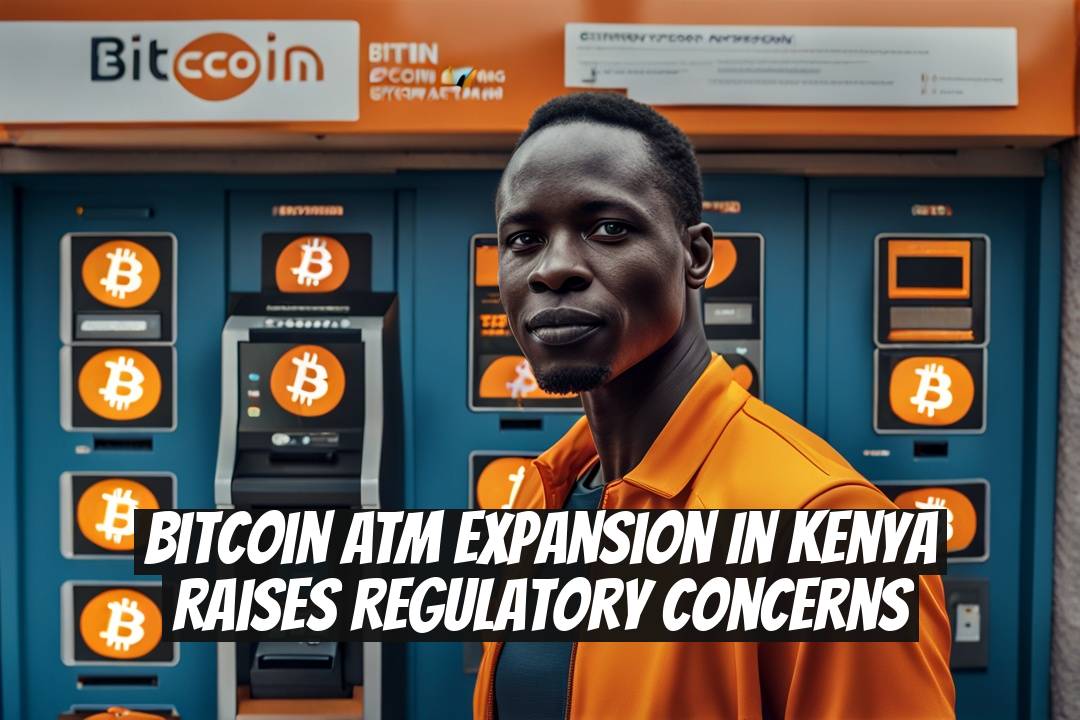
Can Bitcoin ATMs in Kenya Spark a Crypto Revolution Amid Regulatory Hurdles?
Kenya’s Bitcoin ATM expansion in major cities is stirring up quite the buzz, especially with new regulatory frameworks just kicking in. The recent surge of Bitcoin ATMs popping up in Nairobi’s bustling malls-like Two Rivers, Westlands, and along Ngong Road-has brought crypto from the fringes right to the fingertips of everyday shoppers. But this rapid expansion is mingling excitement with concern, thanks to the Virtual Assets Service Providers Act, 2025, which lays the groundwork for regulating crypto activities but hasn’t yet started licensing operators[1][2][3].
Key Takeaways:
- Bitcoin ATMs now operate in high-traffic retail locations across Nairobi, offering direct cash-to-Bitcoin buy/sell services.
- Kenya’s Virtual Assets Service Providers Act (VASP Act) of 2025 sets regulatory structure for licensing, supervision, and compliance but has yet to issue licenses.
- Regulatory bodies-the Central Bank of Kenya (CBK) and Capital Markets Authority (CMA)-are cautious about the unlicensed nature of current ATMs despite their public presence.
- Bitcoin adoption in informal settlements like Kibera predates ATMs, driven by grassroots payments and small crypto grants.
- The crypto market in Kenya is at a crossroads between an informal usage surge and emerging formal regulation.
Subscribe to our Social Media for Exclusive Crypto News and Insights 24/7!
? Bitcoin ATMs: Bridging Crypto to Mainstream Kenya
There’s something pretty compelling about walking into a Nairobi mall, spotting a bright orange “Bankless Bitcoin” kiosk right next to your regular bank ATM, and realizing buying Bitcoin is as casual as withdrawing cash[1][2]. This ease of access is a game changer for crypto adoption in Kenya, propelling Bitcoin from niche enthusiasts into the hands of everyday people.
Bitcoin ATMs essentially offer a physical gateway to the digital crypto world. They allow users - even those new to crypto - to directly buy or sell Bitcoin with cash, clearing many barriers that online platforms pose, especially for Kenyans less familiar with digital payment methods. This leap into mainstream retail environments signals a willingness by entrepreneurs to make crypto more approachable.
From a crypto analyst’s perspective, these ATMs symbolize a significant step towards financial inclusion. Kenya’s mobile-money giant M-PESA has dominated the payment landscape for years, but Bitcoin introduces an alternative value transfer system that can potentially reduce transaction fees and enable cross-border trades without intermediaries[2]. Clever investors will spot the opportunity here: easier access combined with an expanding regulatory framework is fertile ground.
️ Regulatory Concerns: The Elephant in the Room

While the Bitcoin ATM boom is exciting, it’s not without its complications. The crux lies in Kenya’s new Virtual Assets Service Providers Act, effective from November 4, 2025. This law mandates that all Virtual Asset Service Providers (VASPs)-including exchange platforms and crypto ATM operators-must obtain licenses and comply with strict anti-money laundering (AML) and counter-terrorism financing (CTF) rules[1][2][3].
Here’s the catch: as of now, no VASPs have been licensed yet. The Central Bank of Kenya (CBK) and Capital Markets Authority (CMA) have issued warnings that operating without proper approvals remains illegal and will likely attract penalties[1][3]. However, Bitcoin ATMs are already operational, creating a regulatory gray zone.
This tension mirrors a global dilemma: how to balance innovation and consumer protection? Kenyan regulators aim to avoid the risks seen with speculative schemes and unregulated crypto giveaways by instituting a clear legal framework. But the timing has created a tricky situation. ATMs are live, yet licensing processes await detailed regulations from the National Treasury-a step not yet completed[2].
From an investor’s angle, this regulatory pause is both a risk and a signal. Risk because uncertainty may scare off mainstream financial partnerships; signal because formal oversight promises a safer, more sustainable ecosystem in the future.
?️ From Kibera to the Malls: The Grassroots Crypto Story

What’s fascinating is that Bitcoin’s real inroads in Kenya have been far from these polished retail spaces. In places like Kibera, Africa’s largest informal settlement, Bitcoin has quietly flourished as a pragmatic alternative to formal banking systems[1][2]. Here, residents - including small merchants and boda boda riders - accept and transact in Bitcoin, notably via the Lightning Network, which enables faster and cheaper payments.
One standout example: a community cleanup project pays workers with small Bitcoin grants instead of cash, circulating about $10,000 through the initiative[1]. For many, crypto payments feel more efficient than traditional mobile money platforms like M-PESA, notorious for high fees and occasional delays.
This natural demand from informal economies proves that Bitcoin isn’t just a speculative asset but a practical financial tool in Kenya. However, the newfound presence of Bitcoin ATMs in malls brings this grassroots movement into stark contrast with the formal financial system and regulators, highlighting the complex dynamics at play.
? Deep Dive: What This Means for Kenya’s Crypto Market

The introduction of Bitcoin ATMs amid evolving regulations is a pivot point for Kenya’s crypto scene and potentially a blueprint for other African markets:
- Market Maturation: The move from informal crypto trade to licensed, regulated platforms indicates maturation and signals Kenya’s intent to be a regional crypto hub. Investors should watch licensing developments closely.
- Consumer Protection: Regulation aims to reduce fraud, scams, and money laundering risks, which plague unregulated markets. While it may slow the pace of growth initially, long-term benefits include greater trust and institutional participation.
- Innovation vs. Enforcement: Kenya faces the universal challenge of enforcing regulations without stifling innovation. Open dialogue between regulators and VASPs will be crucial to navigating this balance.
- Financial Inclusion: Bitcoin ATMs may increase crypto’s reach to underbanked populations, expanding financial inclusion beyond mobile money’s footprint. This could foster entrepreneurial activities and new payment ecosystems.
In essence, these changes could push Kenya’s crypto market from a speculative playground toward a viable financial infrastructure - provided regulators and operators work hand in hand.
? Practical Tips for Investors and Users Navigating This Landscape
So, if you’re someone looking to dive into this unfolding Kenyan crypto market, here are some friendly tips:
- Stay Updated on Regulations: Keep an eye on official releases from the National Treasury, CBK, and CMA for licensing updates and compliance requirements. Operating or investing without awareness could expose you to legal risks.
- Use Licensed Providers Once Available: When licensing begins, prioritize services from licensed VASPs to benefit from consumer protections and reduce exposure to scams.
- Understand Bitcoin ATM Fees: Bitcoin ATMs typically charge higher fees compared to online exchanges. Compare costs before transactions to maximize your returns.
- Leverage Local Use Cases: Explore crypto adoption stories like in Kibera; these practical examples provide insights on how Bitcoin can be used beyond speculation - for daily payments and micro-transactions.
- Practice Caution with Volatile Assets: Bitcoin’s price swings have discouraged some regulators; as an investor, allocate carefully, aiming for a balanced crypto portfolio.
Remember, Kenya is proving that crypto isn’t just a hobby for techies but a new financial lifeline for many, so your approach should be both informed and patient.
? Personal Insights: Kenya’s Crypto Story Is One to Watch
Talking as a crypto analyst, this Kenyan Bitcoin ATM surge feels like watching a classic “David versus Goliath” story unfold - a grassroots tech revolution meeting cautious, legacy financial power. What stands out is the resilience and savvy of Kenyan communities who found value in crypto before the law even caught up.
That the government rushed to regulate shows they recognize crypto’s disruptive power but want to steer it wisely. It’s a fragile but hopeful dance. The fact that Bitcoin payments quietly thrive in informal settlements tells me this technology resonates deeply with those seeking financial autonomy.
If Kenya manages to create a regulatory environment that encourages mainstream adoption without crushing grassroots innovation, it could set a compelling example for other nations. For investors and crypto enthusiasts, this is the moment to watch closely, learn from, and perhaps engage in a market rich with potential yet rooted in human stories.
Does the rise of Bitcoin ATMs in Kenya signal an unstoppable march toward a new financial era, or will regulatory caution slow down this promising crypto wave? It’s a question each investor and user should keep asking as the landscape evolves.
Explore more about crypto in Kenya here:
Bitcoin ATM Expansion in Kenya
Virtual Assets Service Providers Act Kenya
Kenya crypto regulation
Sources:
[1] https://blockonomi.com/bitcoin-atms-in-kenya-expand-as-new-crypto-law-takes-effect/
[2] https://www.capitalfm.co.ke/news/2025/11/bitcoin-atms-pop-up-in-nairobi-malls-as-kenyas-new-crypto-law-takes-effect/
[3] https://www.financemagnates.com/cryptocurrency/bitcoin-atms-flood-kenyas-malls-following-new-crypto-laws-and-the-regulator-is-furious/
[4] https://www.odaily.news/en/newsflash/457348
[5] https://www.binance.com/en/square/post/32596490062561
[6] https://www.6wresearch.com/industry-report/kenya-crypto-atm-market