What Happens When Bitcoin ATMs Land in Nairobi While Regulators Are Still Figuring Things Out?
Bitcoin ATMs have officially made their debut in Nairobi, popping up in major shopping malls just days after Kenya’s new Virtual Assets Service Providers Act of 2025 came into effect. But here’s the twist: regulators are warning that no crypto provider is actually licensed yet. This sudden move is shaking up the crypto market, sparking debates, and raising serious questions about how Kenya will balance innovation with regulation. If you’re wondering what this means for investors, crypto users, and the future of digital finance in Africa, you’re not alone. Let’s dive into the details and unpack what’s really going on.
Key Takeaways:
- Bitcoin ATMs are now visible in Nairobi’s upscale malls, marking a shift from informal crypto use to mainstream retail.
- Kenya’s new crypto law is in effect, but no VASPs (Virtual Asset Service Providers) have been officially licensed yet.
- Regulators are warning that operating without a license is illegal, creating a regulatory gray area.
- Bitcoin has long been used in informal settlements like Kibera, where it offers financial freedom to those excluded from traditional banking.
- The rollout highlights the tension between Kenya’s growing crypto economy and its new regulatory framework.
Subscribe to our Social Media for Exclusive Crypto News and Insights 24/7!
? Bitcoin ATMs Go Mainstream in Nairobi
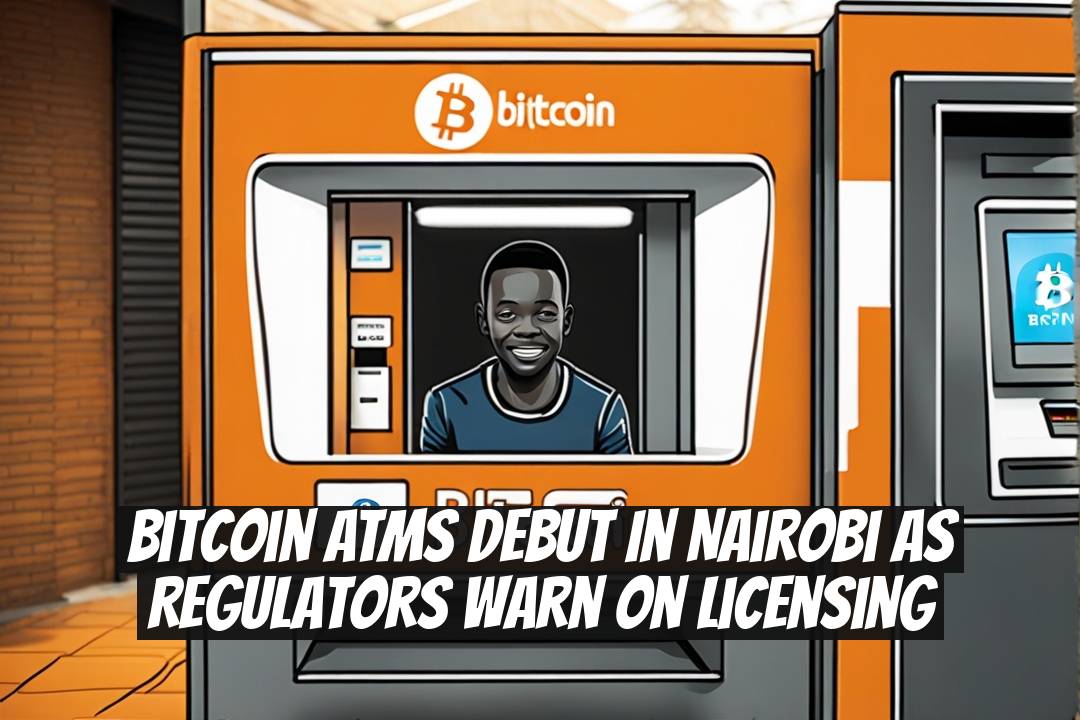
Imagine walking into a busy mall in Nairobi, like Two Rivers Mall in Gigiri or Westlands, and seeing a bright orange “Bankless Bitcoin” machine right next to your regular bank ATM. That’s exactly what’s happening now. These new Bitcoin ATMs allow users to buy and sell Bitcoin with cash, making crypto transactions as easy as grabbing a snack or withdrawing money. According to Capital News, these machines are popping up in some of the city’s most popular spots, bringing cash-to-crypto services into the heart of mainstream retail spaces [1][2][3][4][6].
This isn’t the first time Bitcoin ATMs have appeared in Kenya. Back in 2018, BitClub installed a few, but they didn’t catch on in mainstream retail. Now, things are different. The recent installations coincide with the implementation of Kenya’s Virtual Assets Service Providers Act of 2025, which came into effect on November 4, 2025. This law sets up a formal licensing framework for wallet operators, exchanges, custodians, and other crypto platforms. But here’s the catch: while the law is in place, the regulations needed to actually issue licenses haven’t been finalized yet [1][4][6].
️ Regulators Sound the Alarm
The Central Bank of Kenya (CBK) and the Capital Markets Authority (CMA) have issued a joint statement warning that no VASPs have been officially approved to operate under the new law. That means any company claiming to be licensed is operating illegally. The regulators are clear: until the National Treasury issues the final regulations, no crypto provider should be offering services in Kenya [2][3][4][6].
This creates a tricky situation. On one hand, the law is supposed to bring order and oversight to the crypto market. On the other, the lack of clear licensing rules leaves a gap that some providers are rushing to fill. The result? Bitcoin ATMs are up and running, but they’re operating in a regulatory gray area. This could lead to enforcement challenges and potential risks for users who might not fully understand the legal status of these services [1][2][3][4][6].
? From Informal Settlements to High-End Malls

Bitcoin’s journey in Kenya is fascinating. For years, it’s been used in informal settlements like Kibera, where residents often lack access to traditional banking. In these areas, Bitcoin has become a workaround for documentation hurdles, allowing people to store value and conduct transactions without needing a bank account or formal ID. AfriBit Africa co-founder Ronnie Mdawida explains that Bitcoin offers “financial freedom” for those living on minimal income, especially in places where formal banking is out of reach [1][2][3][4][6].
Now, Bitcoin is making its way into upscale malls, signaling a shift from the informal economy to mainstream retail. This move could help normalize crypto use and attract more users, but it also raises questions about how regulators will handle the growing visibility of crypto infrastructure. Will they crack down on unlicensed operators, or will they work to fast-track the licensing process? Only time will tell [1][2][3][4][6].
? What This Means for the Crypto Market
The debut of Bitcoin ATMs in Nairobi is a big deal for the crypto market. It shows that demand for crypto services is strong, even in the face of regulatory uncertainty. For investors, this could be a sign of growing adoption and potential opportunities in emerging markets. But it also highlights the risks of operating in a regulatory gray area, where the rules are still being written [1][2][3][4][6].
From a market perspective, the rollout of Bitcoin ATMs could drive more interest in crypto, especially among people who are new to digital assets. It could also encourage other countries in Africa to follow suit, creating a ripple effect across the continent. However, the lack of clear licensing rules could deter some investors and lead to increased scrutiny from regulators [1][2][3][4][6].
?️ Practical Tips for Users and Investors
If you’re thinking about using a Bitcoin ATM in Nairobi, here are a few things to keep in mind:
- Check the Legal Status: Make sure you understand that no VASPs are officially licensed yet. Using an unlicensed service could carry risks.
- Stay Informed: Keep an eye on updates from the CBK and CMA. The regulatory landscape could change quickly.
- Start Small: If you’re new to crypto, consider starting with small transactions to get a feel for how things work.
- Protect Your Privacy: Be cautious about sharing personal information when using Bitcoin ATMs, especially in a regulatory gray area.
- Diversify: Don’t put all your eggs in one basket. Consider spreading your investments across different assets and platforms [1][2][3][4][6].
? Personal Insights: What’s Next for Kenya’s Crypto Scene?
As a crypto analyst, I find this situation both exciting and a bit nerve-wracking. On one hand, the debut of Bitcoin ATMs in Nairobi is a clear sign of progress. It shows that crypto is moving from the fringes to the mainstream, and that’s something to celebrate. On the other hand, the regulatory uncertainty creates risks that can’t be ignored. It’s a classic case of innovation outpacing regulation, and it’s happening all over the world.
For Kenya, this could be a turning point. If regulators handle things well, they could create a model for how to balance innovation with oversight. If not, they risk stifling growth and driving crypto activity underground. My hope is that Kenya will find a way to support innovation while protecting users and maintaining financial stability [1][2][3][4][6].
? What’s Your Take?
So, what do you think? Is the debut of Bitcoin ATMs in Nairobi a sign of a bright future for crypto in Africa, or a warning about the risks of moving too fast? How do you see the regulatory landscape evolving in the coming months? Share your thoughts and let’s keep the conversation going.
Bitcoin ATMs debut in Nairobi
Kenya crypto law 2025
Bitcoin ATMs regulatory challenges
[2] https://coinpedia.org/news/bitcoin-atms-appear-in-nairobi-malls-regulators-warn-no-vasps-are-licensed-yet/amp/
[3] https://www.financemagnates.com/cryptocurrency/bitcoin-atms-flood-kenyas-malls-following-new-crypto-laws-and-the-regulator-is-furious/
[4] https://coinmarketcap.com/academy/article/bitcoin-atms-appear-in-kenya-before-regulators-issue-licenses
[5] https://www.kucoin.com/news/flash/bitcoin-atms-appear-in-nairobi-malls-as-kenya-s-vasp-law-takes-effect
[6] https://www.xt.com/en/blog/post/bitcoin-btc-sparks-urgent-review-of-kenyas-crypto-law-as-new-atms-hit-shopping-malls
[7] https://www.livebitcoinnews.com/bitcoin-news-kenya-sees-bitcoin-atms-appear-amidst-new-crypto-law-rollout/
[8] https://bravenewcoin.com/insights/kenyas-new-crypto-law-faces-immediate-test-as-bitcoin-atms-appear-in-nairobi-malls