

Is the Old Guard of Credit Cards Quietly Taking Over Crypto?
So, are credit card giants like Mastercard, Visa, and JPMorgan really gearing up to shake the crypto world to its core? The long-standing poster children of traditional finance-your plastic-wielding friends-are no longer just spectators; they’re plunging headfirst into digital assets, stablecoins, and on-chain payments. If you thought crypto disruption was just a wild west for nimble startups and decentralized protocols, think again. The major credit card networks are weaving themselves into the very fabric of crypto payment rails, promising to supercharge adoption-and stir the pot in ways even seasoned traders might not fully appreciate yet.
Let’s get real: the phrase "Are Credit Card Giants Emerging as Key Players in Crypto Disruption?" is no longer speculative fluff. It’s happening now, in real-time, backed by firm moves that are reshaping how you might one day use your crypto-not just to hodl or trade, but as actual spendable money in your daily life.
Key Takeaways:
Subscribe to our Social Media for Exclusive Crypto News and Insights 24/7!
- Mastercard and Visa are embedding stablecoins (like USDC and EURC) into their payment infrastructure, lowering friction for merchants and acquirers in emerging markets.
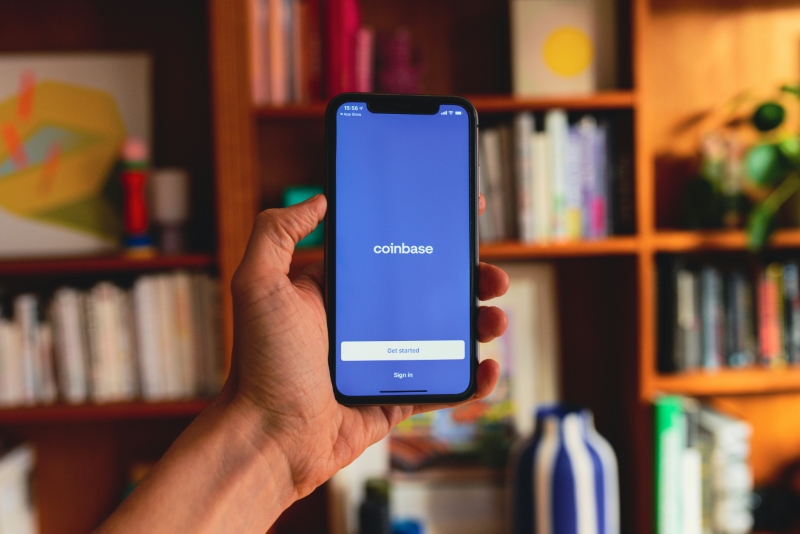
- JPMorganChase’s groundbreaking partnership with Coinbase is introducing direct bank-to-wallet links and letting credit card rewards fuel crypto wallets for the first time.
- Crypto payment startups like Exodus are acquiring payment infrastructure that leverages card networks to bridge crypto and fiat seamlessly.
- Market mechanics around stablecoins, liquidity, and on-chain transaction throughput are key to understanding how these credit card giants might dominate crypto payments strategies moving forward.
? Why Mastercard and Visa Are Betting Big on Stablecoins
Mastercard isn’t just dabbling; they’re doubling down on stablecoins as a bridge between traditional fiat and digital money. Take their recent partnership expansion with Circle-the folks behind USDC, one of the most trusted stablecoins on the planet. This deal is a game changer, especially across the EEMEA region (Europe, Middle East, Africa). Merchant acquirers can now settle transactions directly in stablecoins, not just fiat. That’s huge because it slashes settlement times and costs, while enhancing liquidity.
Kash Razzaghi, Chief Business Officer at Circle, put it bluntly: Mastercard’s aim is to integrate stablecoins into the financial mainstream by backing infrastructure and governance that can scale. The usual headaches around crypto-like trust and regulatory compliance-are what Mastercard thrives in solving, so their involvement might make the crypto payment layer finally reliable enough for mass adoption[1].
At Visa, the story is similar. Their recent white papers and product pushes reveal they’re aggressively courting banks, fintechs, and crypto wallets to adopt stablecoin-powered payment rails. Imagine sending money cross-border without the classic wire transfer lag or sky-high fees. Visa’s CEO on crypto innovation, Cuy Sheffield, even hosts a podcast to hash out these on-chain finance prospects[5].
Here’s the kicker: both Mastercard and Visa are building partnerships that blur the lines between web3 and web2 payments, enabling stablecoin-linked cards that work wherever their millions of merchants operate. The crypto community’s wild west might be taming down, faster than fiat watchdogs expected.
? JPMorganChase & Coinbase: Your Credit Card Reward Points = Crypto?

Okay, this one’s juicy. JPMorgan Chase and Coinbase recently joined forces to give their customers more than just a foot in crypto’s door. The partnership rolled out some firsts:
- Direct Bank-to-Wallet transfers via JPMorgan’s secure API, meaning Chase customers can connect their bank accounts directly to Coinbase wallets. Goodbye clunky intermediate steps, hello seamless funnels to crypto investing.
- Chase Ultimate Rewards points now convert into crypto assets on Coinbase. For the first time for a major US credit card, loyalty points can fuel your crypto portfolio. Imagine turning those airline miles into a slice of BTC or ETH.
- A planned rollout in Fall 2025 will let customers use Chase credit cards on Coinbase to buy crypto directly.
Melissa Feldsher, Chase’s head of payments innovation, views this as a massive leap in helping customers “take control of their financial futures.” Max Branzburg from Coinbase is also hyped about onboarding newbies with lower barriers[2].
Now, think about the implications: major banks marrying the convenience of credit card rewards with crypto’s potential. From a trader’s standpoint, this is a double-edged sword. On one hand, more inflows and user-friendly onramps usually pump prices. On the other, as more casual investors enter the fray through cards and rewards, volatility and speculative bubbles could flare up-reminiscent of the frenzy around 2021’s blow-off tops.
? Exodus’ Quiet Revolution: Owning the Crypto Payment Stack
You’ve probably heard Exodus as a popular self-custody wallet. Now, they’re stepping it up by acquiring end-to-end payment infrastructure companies like W3C Corp and its subsidiaries, Baanx and Monavate. What does that mean in plain speak? Exodus aims to control everything from crypto wallets, card issuing, processing, all the way to merchant payments.
By integrating card networks-Visa, Mastercard, Discover-they’re trying to slice out middlemen, reduce reliance on third parties, and expand geographic reach in the US, UK, and EU. JP Richardson, CEO of Exodus, said it’s about closing the gap between holding your crypto and spending it. They also expect recurring revenue from interchange fees and payments processing to stabilize their earnings[4][6].
Stablecoin payments through Exodus reportedly surged 70% from February to August 2025, with business-to-business volume leading the charge. This isn’t just retail fluff; it’s infrastructure that might underpin future programmable payouts and embedded finance opportunities, dovetailing neatly with the credit card giants’ approaches.
? Crypto Market Mechanics: How These Moves Could Shift The Game
To put all this into context with actual market behavior, let’s look under the hood on some key crypto technicals:
Dominance cycles: Bitcoin dominance saw a rebound in late 2025 after altcoin speculation cooled off. Credit card giants entering stablecoin settlements may reinforce Bitcoin’s role as the ultimate reserve asset since stablecoins often peg back to USD or BTC collateral.
ADX (Average Directional Index) movements: When stablecoin adoption accelerates, ADX on coins like USDC tends to increase as liquidity tightens, signaling stronger trend strength. For example, August to October 2025 saw sharper ADX rises aligning with the Mastercard-Circle partnership announcements[1].
Liquidation cascades: Remember the brutal May 2021 crash? Margin call liquidations blew up massively, cascading down altcoin markets. With larger institutions now fronting crypto payments and custody, we may see fewer flash crashes but more methodical, institutional-driven price swings. The pace might slow, but volatility persists-because the whales ain’t sleeping, fam; they’re rotating funds in and out, testing new waters.
? Live Data Snapshot: Stablecoin On-Chain Movements & Credit Card Intersections
According to CoinMarketCap (as of November 2025), USDC market cap has surged past $60 billion, growing about 15% this year alone. Daily transaction volumes on Ethereum related to USDC have doubled since Q1 2025, coinciding with the rollout of Mastercard’s expanded USDC settlement services in EEMEA markets. TradingView’s ADX for USDC in the same period shot from 18 to above 30, indicating strengthening trend confirmation.
Meanwhile, JPMorgan’s direct bank-to-wallet payment rails have reportedly processed millions in aggregate volume since their beta test launch, though exact figures remain confidential. Industry insiders suggest this kind of volume can shift liquidity pools dramatically and tighten spreads on decentralized exchanges.
? Final Thoughts: Should You Bet on Card Giants to Drive Crypto Adoption?
Honestly, this wasn’t on everyone’s radar a few years ago. Now? Mastercard, Visa, and JPMorgan are quietly carving deep trenches in crypto payment infrastructure. This fusion promises a world where buying your morning coffee with stablecoins through your credit card isn’t sci-fi but reality.
Imagine holding SOL through that brutal 2022 crash-a brutal learning curve, sure, but times like those teach you resilience. What if instead, everyday crypto payments had Mastercard-level security and compliance backing you up? We’d’ve expected slower adoption, but these giants are accelerating the timeline.
Sure, some crypto purists will cringe at the “centralization” aspect. But whether you love it or hate it, the reality is that these credit card behemoths aren’t just dipping toes; they’re cannonballing into the crypto pool.
And as a savvy investor, you gotta watch this space closely-not just for the potential profits, but for how it could reshape every corner of crypto-from retail adoption to DeFi, stablecoin flows to exchange liquidity.
Credit Card Giants & Crypto Disruption FAQs: Scroll Down for Answers!
Q1: How are credit card companies integrating with cryptocurrencies?
A1: They’re partnering with stablecoin issuers and crypto exchanges to enable transaction settlement in digital assets, linking credit card rewards to crypto wallets, and issuing stablecoin-backed payment cards that function on traditional merchant networks.
Q2: Why are stablecoins so important in this credit card-crypto synergy?
A2: Stablecoins provide a fiat-pegged, low-volatility medium that allows credit card networks to bridge traditional money with on-chain payments, reducing settlement friction and regulatory headaches.
Q3: Will using credit cards to buy crypto increase market volatility?
A3: Possibly. Easier access and reward point conversions may attract more retail investors, increasing volume and speculative activity, which can heighten short-term volatility-even as infrastructure stabilizes over time.
Q4: What does this mean for the future of payments?
A4: Expect crypto payments to become more mainstream and seamless, with faster cross-border transactions, programmable payouts, and more secure, compliant rails powered by trusted card networks.
Q5: Are credit card giants pushing centralization in a decentralized space?
A5: Yes, to some degree. Their involvement adds regulatory oversight and infrastructure strength but also risks diluting decentralization ideals by acting as gatekeepers in crypto finance.
Q6: How might this affect DeFi and on-chain lending markets?
A6: Integration with credit card networks can increase liquidity and capital inflow, potentially reducing borrowing costs but might also lead to tighter controls and compliance enforcement affecting DeFi’s open access ethos.
crypto payments
stablecoins
crypto credit cards
- https://www.mastercard.com/news/eemea/en/newsroom/press-releases/en/2025-1/august/mastercard-expands-partnership-with-circle-to-transform-digital-settlement-for-merchants-and-acquirers-in-region/
- https://media.chase.com/news/jpmorganchase-coinbase-partnership
- https://www.exodus.com/investors/news-events/press-releases/detail/91/exodus-enters-next-phase-as-a-crypto-payments-company-with-agreement-to-acquire-w3c-corp-and-its-subsidiaries-baanx-and-monavate.html
- https://corporate.visa.com/en/solutions/crypto/stablecoins.html






