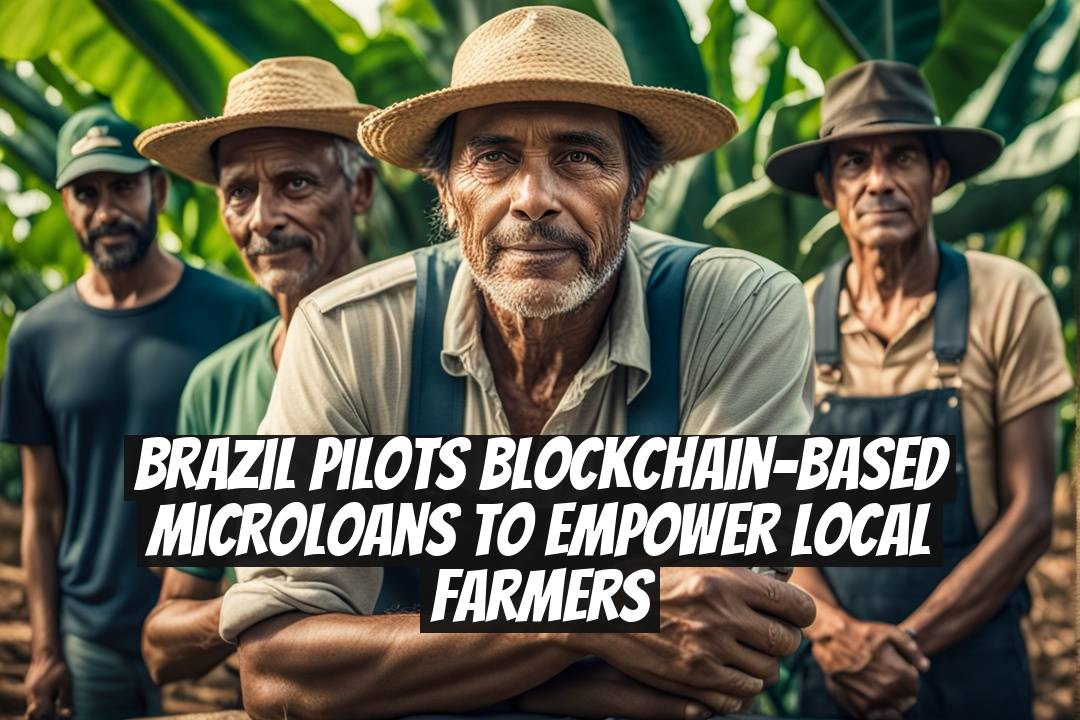
Can Technology Really Plant Seeds of Change in Brazil’s Countryside?
Imagine a farmer in São Paulo, miles from the nearest city, struggling to get a small loan to buy seeds or repair equipment. For years, this has been the reality for thousands of rural producers across Brazil. But now, something new is sprouting: blockchain-based microloans. Yes, you heard that right-blockchain, the tech behind Bitcoin and Web3, is being used to empower local farmers with fast, transparent, and secure credit. This isn’t just a tech experiment; it’s a real-world pilot that could change the lives of small and medium-sized farmers in Brazil’s agricultural heartland.
Brazil’s economic center, São Paulo, has launched a pilot project using blockchain technology to provide microloans to farmers. The initiative, backed by the city government and powered by Brazilian fintech Tanssi, is designed to make credit more accessible, efficient, and transparent for rural producers. This move is part of a broader trend where local authorities are exploring how Web3 technology can be applied to the real economy, especially in sectors like agriculture that have long struggled with financial inclusion [1].
Key Takeaways
Subscribe to our Social Media for Exclusive Crypto News and Insights 24/7!
- São Paulo is piloting blockchain-based microloans for farmers, using Tanssi’s proprietary blockchain infrastructure.
- The project offers quick loans of up to R$15,000 (about $2,800) to small-scale rural producers.
- Blockchain is used on the backend to ensure predictable transaction fees and reliability, without relying on public blockchains like Ethereum or Solana.
- The system includes a mobile app and physical payment terminals for easy access.
- This initiative is part of a growing wave of agfintech startups reshaping rural credit in Brazil.
? How Blockchain is Helping Farmers in São Paulo
So, how does this actually work? The São Paulo blockchain microloan pilot is built on Tanssi’s technology, which allows for dedicated blockchains, or “appchains.” This means the system isn’t dependent on public blockchains, which can be slow, expensive, or unreliable. Instead, Tanssi’s infrastructure provides predictable transaction fees and high reliability, making it easier for farmers to get loans quickly and securely [3].
Farmers can apply for loans through a mobile app or physical payment terminals. The blockchain is used behind the scenes to track and verify transactions, ensuring transparency and reducing the risk of fraud. This is a big deal because, in the past, rural credit in Brazil has been dominated by public banks with subsidized loans, and the process could be slow and bureaucratic [6].
? Why This Matters for the Crypto Market

As a crypto analyst, I see this pilot as a major step forward for the real-world adoption of blockchain technology. It’s not just about speculation or trading; it’s about using crypto to solve real problems. The São Paulo microloan project shows that blockchain can be a tool for financial inclusion, especially in sectors like agriculture that have been underserved by traditional banking.
This initiative could also boost the reputation of Brazilian fintechs and agfintechs in the global market. Brazil is already a leader in both agribusiness and financial technology, and the convergence of these two sectors is creating new opportunities for innovation [6]. If this pilot is successful, it could inspire similar projects in other countries, further expanding the use of blockchain in the real economy.
? The Impact on Farmers and Rural Communities
For farmers, this pilot means easier access to credit, faster loan processing, and greater transparency. The mobile app and physical payment terminals make it simple for even those with limited tech skills to participate. And because the blockchain is used on the backend, farmers don’t need to understand the technology to benefit from it.
This could have a ripple effect on rural communities. With better access to credit, farmers can invest in their businesses, improve productivity, and increase their incomes. This, in turn, could lead to more economic growth and development in rural areas.
? Data and Trends in Brazilian Agfintech
The number of agfintechs-agricultural startups specializing in finance-has grown rapidly in Brazil. According to the latest Radar Agtech report, there were 97 agfintechs in Brazil last year, up from just 24 in 2019. This makes agfintech one of the fastest-growing sectors in the industry [6].
Two of the five largest agtech investment rounds in Latin America in 2024 involved Brazilian fintechs that support rural credit. This shows that investors are recognizing the potential of agfintech to drive innovation and growth in the agricultural sector.
? Practical Tips for Investors and Stakeholders
If you’re interested in the potential of blockchain-based microloans for farmers, here are a few practical tips:
- Stay Informed: Keep an eye on the progress of the São Paulo pilot and similar projects in other regions. The success of these initiatives could create new investment opportunities in agfintech and blockchain.
- Support Innovation: Consider supporting startups and fintechs that are working to improve rural credit and financial inclusion. These companies are at the forefront of innovation in the agricultural sector.
- Engage with Local Communities: If you’re an investor or stakeholder, try to engage with local farmers and rural communities. Understanding their needs and challenges can help you make better investment decisions and support projects that have a real impact.
? Personal Insights: Why This Pilot Excites Me
As someone who’s followed the crypto market for years, I’m excited to see blockchain being used to solve real-world problems. The São Paulo microloan pilot is a great example of how technology can be a force for good, especially in sectors like agriculture that have been underserved by traditional banking.
I also think this initiative could help change the perception of crypto and blockchain. Too often, these technologies are seen as tools for speculation or trading. But projects like this show that they can be used to empower people, improve lives, and drive economic growth.
? What’s Next for Blockchain in Agriculture?
The São Paulo pilot is just the beginning. If it’s successful, we could see more blockchain-based microloan projects in other parts of Brazil and around the world. This could lead to greater financial inclusion for farmers and rural communities, and further innovation in the agfintech sector.
But there are also challenges to consider. For example, how can we ensure that these projects are sustainable and scalable? How can we protect farmers from the risks of fraud or misuse? These are important questions that will need to be addressed as the technology evolves.
? Final Thoughts: Can Technology Really Plant Seeds of Change?
So, can technology really plant seeds of change in Brazil’s countryside? The answer is yes-but only if we use it wisely. The São Paulo blockchain microloan pilot is a promising step forward, but it’s just one piece of a larger puzzle. To truly empower local farmers and create lasting change, we need to continue investing in innovation, supporting startups, and engaging with rural communities.
As we look to the future, let’s remember that technology is a tool, not a solution. It’s up to us to use it to make a positive impact on the world.
blockchain-based microloans
empower local farmers
Brazil pilots blockchain
[2] https://www.panewslab.com/en/articles/fcefbfbe-dea8-4502-b328-c02d054c37a3
[3] https://www.coindesk.com/business/2025/11/28/brazil-s-economic-center-sao-paulo-to-pilot-blockchain-based-microloans-for-farmers
[4] https://www.xt.com/en/blog/post/brazils-economic-center-sao-paulo-to-pilot-blockchain-based-microloans-for-farmers
[5] https://phemex.com/news/article/tanssi-launches-blockchain-microloan-service-in-so-paulo-40549
[6] https://newsletters.brazilian.report/p/brazilian-startups-rural-credit-farms
[7] https://iota-news.com/sao-paulo-launches-innovative-blockchain-pilot-to-boost-microloans-for-farmers/