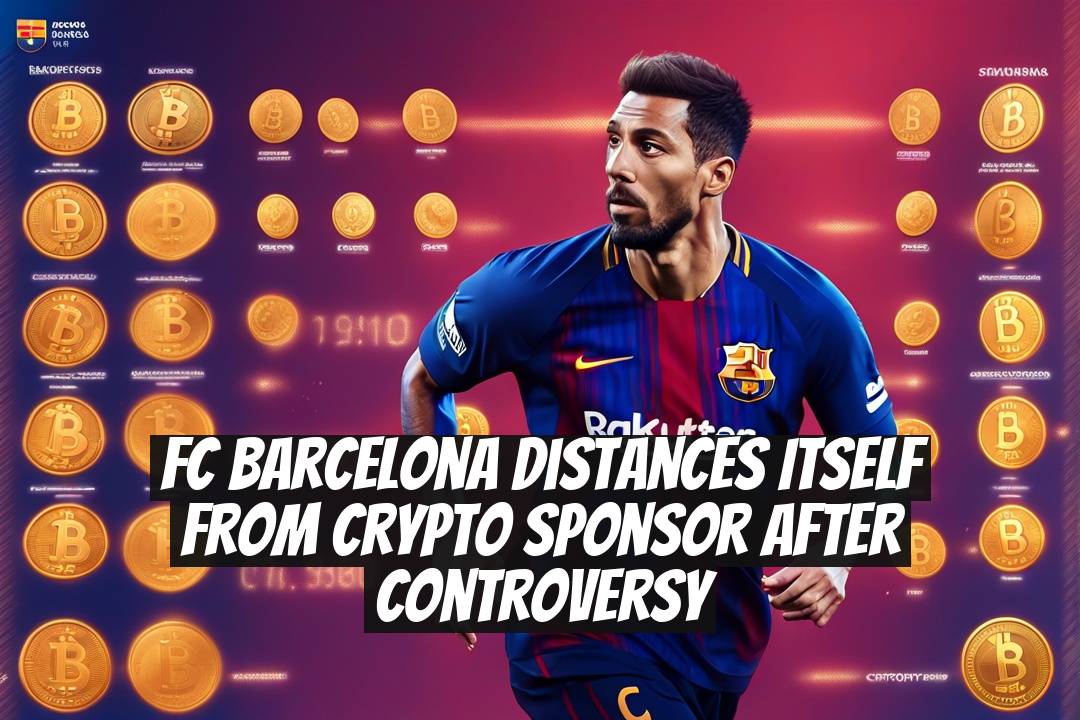
When Big Football Meets Crypto Controversy: The FC Barcelona Sponsorship Headache
FC Barcelona’s recent tussle with its crypto sponsor ZKP has the entire sports and crypto worlds buzzing. When the storied football club announced a $22 million deal with Samoa-based ZKP in November 2025, it promised a Web3 embrace that would steady its staggering €469M debt. Instead, it triggered a whirlwind of criticism, skepticism, and concern surrounding transparency, accountability, and ethical sponsorship in crypto partnerships. The saga escalated after ZKP, seemingly overnight, launched a token sale that many viewed as risky and poorly vetted, forcing Barça to scramble and distance itself from the crypto token and clarify who’s really on the hook[1][2][3].
If you’re a crypto investor or an avid follower of blockchain’s role in mainstream adoption, this controversy isn’t just another headline - it’s a lesson about market mechanics, due diligence, and what happens when crypto’s volatility meets the high-stakes arena of global sports sponsorship. Buckle up, because it’s a story loaded with crypto jargon, live market insights, and some eyebrow-raising drama.
Key Takeaways
Subscribe to our Social Media for Exclusive Crypto News and Insights 24/7!
FC Barcelona’s $22M sponsorship with ZKP sparked widespread backlash due to ZKP’s opaque profile and rapid launch of a token sale shortly after the deal announcement.
The club disavowed any connection to the token while maintaining the sponsorship contract, highlighting gaps in due diligence and raising ethical concerns about promoting crypto projects to fans.
ZKP’s ties to controversial figures and offshore registration in Samoa intensified mistrust amid growing scrutiny from crypto analysts and football insiders.
The incident underscores risks inherent in crypto sponsorships, especially when market dynamics like token volatility and liquidity cascades threaten brand integrity.
Real-time crypto data points to an initial pump-and-dump pattern around ZKP’s token launch, reminiscent of earlier crypto blow-offs, serving as a cautionary case study for investors.
? What Went Down? Barcelona’s Crypto Sponsorship Fiasco

FC Barcelona isn’t just a football club; it’s a global brand with a loyal fanbase and a massive balance sheet stress. Enter ZKP, a barely-known crypto startup claiming to revolutionize cryptographic protocols with zero-knowledge tech and flashing a purported $100 million raise but showing next to no transparency on leadership or financials[2][3]. Registered first in Samoa (yes, the tropical tax haven), ZKP’s profile set off immediate alarm bells for anyone remotely familiar with the crypto landscape’s pitfalls.
The club initially dubbed ZKP as “Official Cryptographic Protocol Partner” in mid-November 2025, a move that was supposed to signal Barcelona’s leap into blockchain innovation and Web3 finance. Instead, it felt more like a desperate hail Mary thrown into deep waters. Why? Because within days, ZKP launched a token sale featuring 200 million coins-right in the teeth of fans’ enthusiasm and mass speculation[1][3]. Suddenly, it wasn’t just a sponsorship; it was an indirect endorsement of an opaque crypto asset that no one, not even Barcelona’s management, could convincingly vouch for.
Fans, analysts, and former Barcelona executive Xavier Vilajoana expressed serious concerns about how this partnership passed initial vetting and whether the club’s financial desperation drove hasty decision-making rather than strategic alignment with a trustworthy partner[1][2]. Trust me, people notice when your sponsor’s website barely reveals the team behind a $22M deal.
The backlash was brutal and swift. Barcelona responded late on November 26 with a statement distancing itself from ZKP’s token and asserting the club held "no connection whatsoever" with the asset or its technology, despite maintaining the partnership[1]. Talk about damage control.
? Market Moves: What ZKP Token’s Launch Looked Like

Let’s nerd out for a sec with some live data insights. According to CoinMarketCap and TradingView, ZKP’s token initially spiked post-launch, riding a typical hype wave fueled by the sponsorship announcement. But it soon swan-dived into oversold territory with extremely volatile trading volumes-classic signs of liquidation cascades triggered by panic selling and whale rotations. The token’s Average Directional Index (ADX) showed weakening trend strength after the initial pump, further hinting that momentum was drying up fast.
If you remember ADA’s brutal 60% drop back in 2022 (yeah, that one), this had shades of déjà vu. A trader I spoke to said this looked eerily like 2021’s blow-off top, where initial FOMO drove a breakneck price surge followed by a sharp technical correction that wiped out latecomers. The ZKP situation displayed a similar dominance cycle, with big holders offloading early while retail investors got stuck holding the bags.
As the token faded from the spotlight, trading eventually settled into low-liquidity ranges, raising the chilling question: who’s left to support this market, and at what cost?
? Ethics and Due Diligence: How Did It Get This Messy?
Honestly, the whole situation reeks of a botched vetting process. When you’re signing off on a multi-million dollar partnership, you’d expect a thorough background check - scrutinizing management, financial statements, legal standings, and community footprint. Instead, FC Barcelona seemed to have overlooked multiple red flags:
Offshore registration: Samoa is notorious for its lax disclosure standards, a huge no-no for reputable partnerships.
Pseudonymous founders: No transparency on who’s really behind ZKP.
Controversial promoters: Andrew Tate, an influencer embroiled in his own controversies, emerged promoting ZKP’s zero-knowledge proof tech, muddying reputational waters[3].
Sudden token launch: ZKP’s quick token sale post-announcement felt suspiciously opportunistic, as if cashing in on Barça’s brand clout without proper safeguards.
This cocktail created a perfect storm, transforming what should’ve been a pioneering blockchain deal into a PR and ethical nightmare. It raises a fundamental question for all teams and investors: How do you balance innovation and fan protection in such speculative arenas?
? Crypto Sponsorships: A High-Risk Game in Sports

Crypto partnerships with sports fixtures have been a double-edged sword. On one side, flashy deals promise new revenue streams and wider mainstreaming. On the other, sudden controversies can tank brand value overnight (remember FTX and the Miami Heat?).
The ZKP-Barça fallout highlights these challenges:
Rapid token launches tied to sponsorships create conflicts of interest, potentially misleading fans into risky investments.
Opaque project structures increase chance of exit scams or project failures.
Lack of regulatory clarity exacerbates risk for both sponsors and fans.
The Bank of America crypto research team recently pointed out that sports’ emotional and trust-driven fan landscape could be the “weakest link” in crypto adoption if projects fail to deliver or behave ethically[1].
? What Investors Should Watch Next
If you’re analyzing tokens born from sponsorship controversies like ZKP’s project, keep an eye on:
Liquidity ratios: Low liquidity can signal vulnerability to large sell-offs.
Holder distribution: Whales dominating supply often leads to dangerous price manipulation.
ADX & trend signals: Weakening momentum following hype should signal caution.
On-chain analytics: Watch for abnormal wallet activity and possible dump signals.
Community sentiment: A decent gauge of trust and potential support.
The takeaway? Don’t just chase shiny token launches linked to big names. Dig into the financials, market behavior, and community health. If you find yourself holding tokens through a sudden dump-like I did with ADA-you’ll appreciate how brutal and exhausting it is. But patience and deep research can save your portfolio.
Crypto sponsorships in football and sports: FC Barcelona distances itself from crypto sponsor after controversy - FAQs You Need to Know
Q1: What caused FC Barcelona to distance itself from its crypto sponsor ZKP?
A1: The club disassociated from ZKP’s token sale after fans and experts questioned ZKP’s transparency, leadership, and the ethics of indirectly endorsing a high-risk crypto asset. Barcelona clarified it had no control or link to the token despite maintaining the sponsorship partnership.
Q2: Who is behind ZKP, and why is their background controversial?
A2: ZKP is registered in Samoa, with pseudonymous leadership and no clear financial disclosures. Its ties to controversial figures like influencer Andrew Tate increased skepticism about the project’s credibility and motivated greater scrutiny.
Q3: How did ZKP’s token perform after the sponsorship announcement?
A3: The token saw a rapid spike followed by a sharp drop, exhibiting pump-and-dump characteristics and weak momentum indicators like a declining ADX. This mirrors market dominance cycles where early holders profit while late investors suffer losses.
Q4: What lessons can investors learn from the FC Barcelona-ZKP crypto sponsorship saga?
A4: Due diligence is critical. Investors should scrutinize crypto startup backgrounds, tokenomics, and market data before investing, especially when tokens coincide with high-profile partnerships. Trust but verify is the best mantra here.
Q5: How do market mechanics like liquidation cascades affect tokens linked to sponsorship controversies?
A5: Liquidation cascades occur when rapid sell-offs trigger margin calls, amplifying price drops. Tokens tied to controversial sponsorships often face sudden panic selling, causing these cascades and intense volatility, which can wipe out investor gains overnight.
crypto sponsorship risks
zero knowledge proof blockchain
crypto token liquidity analysis
- https://www.xt.com/en/blog/post/barcelona-crypto-nightmare-how-a-big-money-sponsorship-became-a-big-money-liability
- https://www.ainvest.com/news/risks-rewards-crypto-sponsorships-sports-case-study-fc-barcelona-zkp-2511/
- https://tr.okx.com/en/learn/cryptocurrency-zkp-barcelona-sponsorship
- https://www.sportbusiness.com/news/barca-retreats-from-new-crypto-sponsor-backlash/